
Why Professional Installation Matters for Home Accessibility Equipment
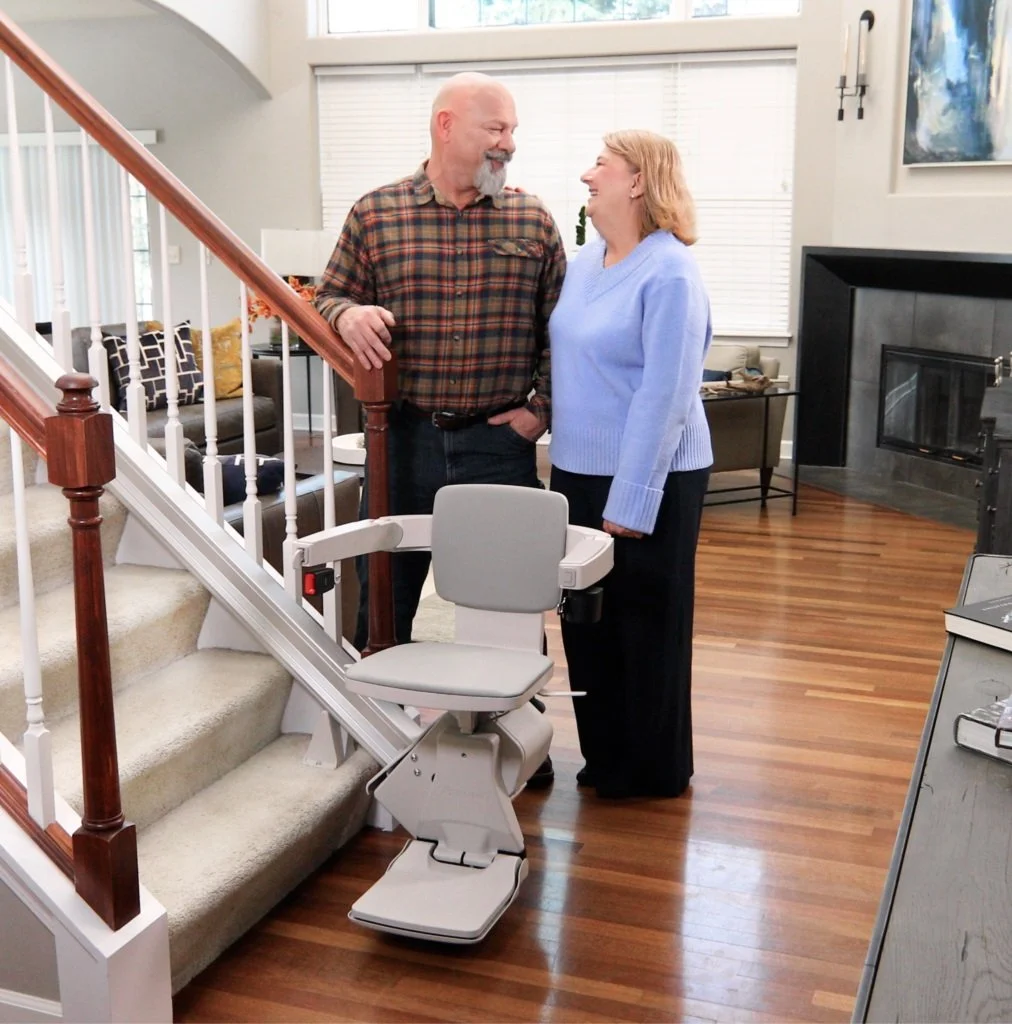
The Right Equipment Needs the Right Installation
When families begin making their homes more accessible, the focus often starts with choosing the right equipment. A stairlift may provide easier access between floors. A wheelchair ramp can make an entrance more welcoming. A patient lift can make transfers safer and less physically demanding. A home elevator can provide convenient access to multiple levels.
Choosing quality equipment is important, but there is another part of the process that deserves just as much attention: installation.
Even the best accessibility equipment needs to be installed correctly to perform as intended. The home itself has a major influence on how equipment should be positioned, secured, and integrated into the space. Every staircase has its own shape. Every doorway has different dimensions. Every ceiling has different structural characteristics. Every person has different mobility needs.
Professional installation brings all of these factors together.
For a family, this means more than simply having equipment installed. It means having greater confidence that the solution is appropriate for the home, comfortable for the person using it, and ready to support everyday routines.
Accessibility Equipment Is Not One Size Fits All
It can be tempting to think that accessibility equipment is simply purchased, delivered, and installed according to a standard process.
In reality, homes and people are different.
A stairlift that works perfectly in one house may require a different configuration in another. A ramp may need to follow a particular path around landscaping or a porch. A patient lift may need to be positioned carefully so that transfers between a bed and wheelchair are practical. A home elevator must be designed around the available space and structure of the property.
Professional installers understand these differences.
Before installation begins, they evaluate the environment and determine how the equipment should be incorporated into it.
This personalized process helps create accessibility that feels natural rather than forced.
Safety Begins With Proper Installation
Safety is one of the most important reasons to work with a professional.
Accessibility equipment is designed to support people during activities where stability and reliability matter.
A stairlift needs to travel securely along its rail. A wheelchair ramp needs to remain stable under repeated use. A patient lift needs appropriate structural support and properly positioned components. A home elevator requires careful installation of its mechanical and electrical systems.
Small installation errors can have significant consequences.
Professional installers are trained to follow the manufacturer's requirements and applicable installation standards. They know what to look for before, during, and after installation.
This attention to detail helps create a safer environment for the individual, caregivers, family members, and visitors who may use the equipment.
Understanding the Structure of the Home
One of the biggest advantages of professional installation is the ability to evaluate the home itself.
For example, a ceiling mounted patient lift cannot simply be attached to any convenient location on a ceiling. The structure must be evaluated to determine how the track can be securely supported.
Likewise, a stairlift must be installed along a staircase in a way that provides proper clearance while allowing the user to enter and exit safely.
Ramps also require careful consideration of the property's elevation, available space, surface conditions, and entry points.
Professionals look beyond the visible surface.
They consider how the equipment interacts with the structure underneath.
That knowledge is particularly important for equipment designed to support significant weight or repeated daily use.
A Professional Installation Can Protect Your Investment
Accessibility equipment represents an important investment for many families.
Naturally, homeowners want that investment to provide reliable service for as long as possible.
Proper installation helps support the equipment's long term performance.
When components are correctly aligned, securely attached, and adjusted according to specifications, the system can operate as intended.
Poor installation, on the other hand, may contribute to unnecessary wear or operational problems.
Professional installation helps ensure that the equipment begins its service life under the right conditions.
That can provide greater peace of mind and potentially reduce avoidable maintenance concerns.
Comfort Matters Just as Much as Safety
Accessibility should not only be safe. It should also be comfortable.
Consider a stairlift.
The position of the seat, armrests, controls, and rail can influence how easy the system is to use. A professional installer can make sure the equipment is positioned appropriately within the staircase and that the user has adequate space when getting on and off.
The same principle applies to patient lifts.
Proper placement can make transfers between a bed, wheelchair, chair, or bathroom more straightforward.
When equipment is installed around the person's actual routine, everyday movement becomes more comfortable.
This is one of the reasons professional installation is so valuable.
Making Accessibility Easier for Caregivers
Accessibility equipment is often used not only by the individual but also by family members or professional caregivers.
A well installed system can make their responsibilities easier.
For example, a properly positioned patient lift gives caregivers enough room to maneuver while helping with transfers.
A well planned ramp provides a clear route for wheelchair movement without forcing caregivers to navigate awkward angles.
A stairlift that stops at the right location allows the user to enter and exit without unnecessary repositioning.
Thoughtful installation considers everyone involved.
It recognizes that accessibility is part of a daily routine, not simply a piece of equipment sitting in the home.
Professional Installation Reduces Guesswork
Installing accessibility equipment independently can create uncertainty.
Where should the equipment be positioned?
Is the surface strong enough?
Does the ramp have an appropriate slope?
Is there enough clearance?
Are the electrical connections appropriate?
Will the equipment interfere with doors, furniture, or other parts of the home?
These are important questions.
A professional installer brings experience to each one.
Instead of asking homeowners to figure everything out themselves, the installation process is guided by knowledge of accessibility equipment and real world home environments.
That reduces guesswork and allows families to feel more confident about their decision.
Stairlift Installation Requires Careful Planning
Stairlifts are a good example of why professional installation matters.
Straight staircases can have different widths, landings, doorways, and surrounding obstacles.
Curved staircases require even more detailed planning because the rail must follow the shape of the stairs.
Professionals take measurements and evaluate the staircase before determining the appropriate installation approach.
They also consider where the user will enter and exit the stairlift.
The goal is to create a system that works naturally with the staircase rather than simply attaching a rail to it.
Patient Lift Installation Requires Structural Expertise
Patient lifts are another accessibility solution where installation quality is particularly important.
Ceiling mounted systems must be securely supported by the appropriate structural elements.
Track placement should correspond with the locations where transfers occur most frequently.
A system connecting a bedroom to a bathroom, for example, needs to be designed around the actual route the individual will take.
Professional installers can evaluate these needs and create a track configuration that supports practical daily movement.
This can make transfers easier while keeping unnecessary equipment off the floor.
Ramps Require More Than a Stable Surface
A ramp may appear relatively simple compared with other accessibility equipment, but proper installation still requires careful planning.
The slope, width, landing areas, surface material, drainage, and connection to the entrance all matter.
A ramp that is technically present but poorly designed may be difficult to navigate.
Professional installation helps ensure that the ramp functions as a complete accessibility pathway.
The objective is not simply to connect two elevations.
It is to create a route that people can use comfortably and confidently.
Home Elevators Need Specialized Installation
Home elevators represent another area where professional expertise is essential.
These systems involve mechanical components, controls, structural considerations, and electrical requirements.
Installation needs to account for the home's available space and the elevator's intended travel path.
The surrounding structure must also be considered carefully.
Because a home elevator becomes a permanent part of the property, installation is an opportunity to make sure accessibility and design work together.
A professional team can help ensure that the finished system feels like a natural part of the home.
Professional Installation Can Help Preserve Home Design
Accessibility equipment does not have to make a home feel clinical or institutional.
Modern solutions are available in a wide range of styles and configurations.
Professional installation allows equipment to be positioned thoughtfully so that it complements the home's existing design.
A stairlift can follow the staircase while leaving surrounding areas accessible.
A ramp can be incorporated into the landscape.
A home elevator can be selected with finishes that coordinate with the interior.
Good accessibility design considers both function and appearance.
The goal is to create a home that works better without losing the character that makes it feel like home.
Installation Is Also an Educational Opportunity
A professional installation does not necessarily end when the equipment is physically in place.
It should also help the homeowner understand how to use the system.
Installers can explain controls, safety features, operating procedures, and basic maintenance requirements.
For caregivers, this education can be especially valuable.
Knowing how the equipment works helps reduce uncertainty and makes everyday use more comfortable.
When everyone understands the system, the accessibility solution can become a natural part of the household routine.
Testing Before Everyday Use
Professional installers should verify that equipment is operating correctly before it is placed into regular use.
This may include checking movement, controls, safety mechanisms, structural connections, and other relevant components.
Testing helps identify adjustments that may be needed before the installation is considered complete.
For the homeowner, this provides another layer of confidence.
The family can begin using the equipment knowing that it has been evaluated as part of the installation process.
Planning for Changing Needs
Accessibility needs can change over time.
A person's mobility may evolve. Caregiving arrangements may change. The household may eventually need to accommodate different mobility equipment.
Professional accessibility planning takes these possibilities into consideration.
Rather than focusing only on today's circumstances, installers and accessibility specialists can discuss how the solution may serve the household in the future.
This forward thinking approach can help families avoid unnecessary changes later.
The goal is to create accessibility that remains useful and practical for years.
The Value of Experience
There is a difference between installing equipment and understanding accessibility.
Experienced professionals have worked with different homes, layouts, mobility requirements, and installation challenges.
They know that an apparently small detail can make a significant difference in everyday use.
A few inches of clearance can affect whether a wheelchair turns comfortably.
The position of a lift can determine whether a caregiver has enough room to assist.
The location of a stairlift landing can influence how easily someone moves into the next room.
Experience helps professionals recognize these details before they become problems.
Choosing an Accessibility Partner
When investing in accessibility equipment, homeowners should consider the company providing more than just the product.
Look for a provider that takes time to understand the household's needs.
A good accessibility partner should be willing to evaluate the home, explain available options, answer questions, and provide guidance throughout the process.
Communication matters.
Families should feel comfortable asking how the equipment will work, where it will be installed, what preparation is required, and how it should be maintained.
The right provider treats accessibility as a long term relationship rather than a one time transaction.
Accessibility Should Feel Like an Improvement, Not an Obstacle
The purpose of accessibility equipment is to make life easier.
When properly selected and professionally installed, these solutions can help people move through their homes with greater confidence and independence.
Caregivers can provide assistance with less physical strain.
Family members can feel more comfortable knowing that the home has been adapted to support changing needs.
Most importantly, the individual using the equipment can continue participating in everyday life without unnecessary barriers.
Professional installation plays an important role in making that possible.
Conclusion
Professional installation is an essential part of creating a safe, comfortable, and dependable accessible home. Whether you're installing a stairlift, patient lift, wheelchair ramp, home elevator, or another mobility solution, proper installation ensures the equipment is appropriately fitted to the home and the people who will use it.
Professional installation also provides benefits that extend beyond safety. It can improve comfort, support long term performance, reduce unnecessary strain, preserve the home's appearance, and give caregivers and family members greater confidence in using the equipment.
At KGC, accessibility is approached as a personalized solution rather than a one size fits all project. KGC takes the time to understand each individual's needs, evaluate the home environment, and recommend solutions that balance safety, functionality, comfort, and design. From mobility ramps and patient lifts to stairlifts and home elevators, the focus is on helping families create spaces that support greater independence and everyday peace of mind.
If you're considering accessibility equipment for your home, visit the KGC Contact Page to connect with the KGC team and explore a customized solution designed around your needs.
