
Energy Efficiency in Modern Home Elevators
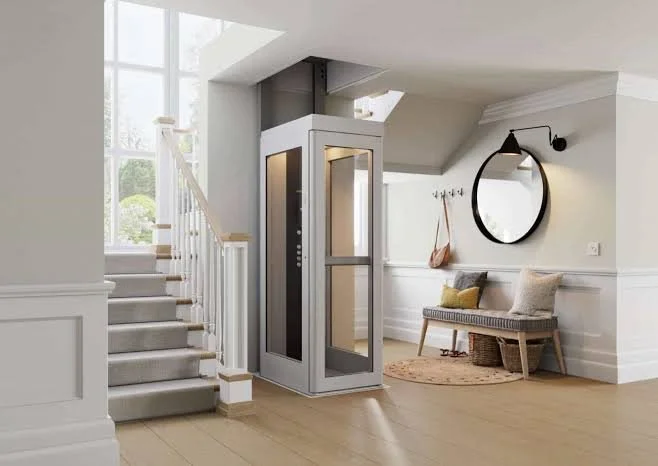
A Smarter Approach to Comfortable Home Accessibility
When families begin exploring a home elevator, the conversation often starts with accessibility. They may be thinking about making multiple floors easier to navigate, creating a more comfortable home for someone with limited mobility, or planning ahead for changing needs.
But today's homeowners are also thinking about something else: energy use.
A home elevator needs to provide dependable movement without becoming an unnecessary source of energy consumption. Fortunately, modern elevator technology has evolved significantly. Today's systems can combine accessibility, comfort, attractive design, and energy-conscious operation in ways that were not always possible with older equipment.
For homeowners considering an elevator, energy efficiency does not mean sacrificing convenience. In fact, many modern systems are designed to use energy intelligently, operate efficiently during travel, and minimize unnecessary power consumption when the elevator is not in use.
Understanding how these systems work can help families make more informed decisions when planning a home accessibility project.
Why Energy Efficiency Matters in a Home Elevator
A home elevator is used differently from a commercial elevator.
In a large office building, an elevator may operate hundreds or thousands of times each day. A residential elevator typically makes far fewer trips. Even so, homeowners naturally want equipment that operates efficiently and does not consume more energy than necessary.
Energy-efficient design can also contribute to a more sustainable home.
As homeowners become increasingly interested in efficient appliances, smart lighting, improved insulation, and renewable energy, accessibility equipment can be considered as part of the same larger picture.
The goal is not simply to find the elevator that uses the least electricity. It is to find a system that delivers reliable performance while using energy responsibly.
How Modern Home Elevators Use Energy
Different home elevator systems use different technologies to move the elevator between floors.
Some systems rely on electric motors and traction mechanisms, while others use hydraulic technology or other lifting methods.
The amount of energy consumed depends on several factors, including the type of system, the frequency of use, the distance traveled, the weight being carried, and the technology used by the manufacturer.
Modern systems may also incorporate controls that help minimize unnecessary energy use.
When an elevator is designed specifically for a home, its capacity and travel requirements can be matched to the property's needs rather than oversized for commercial demands.
This can help create a more efficient overall system.
Traction Technology and Energy Efficiency
Traction-based home elevators use an electric motor to move the elevator through a system of cables, belts, wheels, or related components.
Modern traction systems can be designed to operate efficiently while providing smooth acceleration and stopping.
Some systems use gearless technology, which can reduce mechanical complexity and improve efficiency.
Because residential elevators generally travel shorter distances than commercial elevators, a properly sized traction system can provide efficient performance while maintaining a comfortable ride.
The technology behind the system matters, but so does the way it is specified for the home.
Hydraulic Elevators and Energy Use
Hydraulic elevators use a motor and hydraulic system to raise the elevator.
These systems have been used in residential applications for many years and can offer dependable performance.
One consideration is that hydraulic systems generally require energy to raise the elevator because the pump must move hydraulic fluid to create upward movement.
However, energy efficiency should never be judged by technology name alone.
The size of the elevator, frequency of use, travel distance, motor efficiency, controls, and overall system design all affect energy consumption.
A professional assessment can help homeowners understand how a particular hydraulic system would perform in their specific home.
Regenerative Technology
One of the more interesting developments in elevator technology is regenerative energy.
Certain modern elevator systems can capture some of the energy produced during particular phases of operation and return it to the building's electrical system rather than allowing that energy to be lost as heat.
This technology is more commonly associated with larger commercial elevator systems, but the broader principle illustrates how elevator engineering continues to evolve toward greater efficiency.
For residential applications, the availability and practicality of regenerative technology depend on the specific elevator system.
Homeowners should ask accessibility professionals and manufacturers whether this feature is available and appropriate for their project rather than assuming every elevator includes it.
Standby Power Consumption
Energy efficiency is not only about what happens when an elevator is moving.
An elevator may spend much more time waiting than traveling.
That makes standby energy consumption an important consideration.
Modern systems may incorporate energy-saving controls that reduce power consumption when the elevator is inactive.
Lighting, displays, ventilation, controls, and other electrical components can all contribute to standby energy use.
Some systems are designed to automatically switch certain features into lower-power modes when the elevator has not been used for a period of time.
These small improvements can contribute to a more efficient system over the long term.
LED Lighting Can Make a Difference
Lighting inside the elevator is another area where modern technology can improve efficiency.
LED lighting uses less electricity than many older lighting technologies and typically has a long service life.
Because elevator lighting may remain active while the system is occupied or waiting, efficient lighting can reduce unnecessary energy consumption.
Beyond efficiency, modern LED fixtures also provide designers with more flexibility.
Homeowners can choose lighting that complements the interior of the elevator and surrounding architecture while maintaining an energy-conscious approach.
This is a good example of how accessibility and design can work together.
Smart Controls and Intelligent Operation
Technology has changed the way many home systems operate, and elevators are no exception.
Modern control systems can monitor elevator operation and manage functions more intelligently.
Depending on the system, controls may help reduce unnecessary operation, manage lighting, and monitor equipment performance.
Some systems can also provide diagnostic information that helps technicians identify potential maintenance concerns.
These technologies can improve efficiency while also supporting reliability.
For homeowners, that means the elevator can become part of a smarter and more responsive home environment.
The Importance of Proper Sizing
One of the simplest ways to improve efficiency is to select an elevator that is appropriately sized for the home.
A residential elevator does not necessarily need the same capacity or motor requirements as a commercial system.
Choosing an elevator based on actual household needs can prevent unnecessary energy consumption.
For example, a family may need enough space for a wheelchair user and caregiver, but not a large commercial-style cabin designed to carry numerous passengers.
Proper sizing creates a balance between accessibility and efficient operation.
A professional consultation can help determine the appropriate capacity and dimensions.
Energy Efficiency Does Not Mean Less Comfort
Some homeowners may assume that an energy-efficient elevator must compromise on performance.
That is not necessarily the case.
Modern systems can provide smooth starts, gentle acceleration, quiet operation, and controlled stopping while still incorporating energy-conscious technology.
Comfort is particularly important in a residential setting.
A home elevator should feel like a natural part of the house rather than a piece of industrial equipment.
The right system can provide a comfortable ride while maintaining efficient operation.
Reducing Energy Use Through Regular Maintenance
Maintenance plays an important role in efficiency.
Mechanical components that are worn, poorly adjusted, or inadequately maintained may require more energy to operate effectively.
Regular inspections help identify issues before they affect performance.
Keeping moving components properly maintained can support smoother operation and reduce unnecessary strain on the system.
Electrical components, controls, lighting, and safety systems should also be checked according to the manufacturer's recommendations.
Routine maintenance protects both efficiency and reliability.
A Well-Designed Home Elevator Can Complement Your Home
Energy efficiency is only one part of a successful home elevator project.
The elevator should also fit the home's architecture, available space, accessibility needs, and everyday routines.
Modern home elevators come in a wide range of designs, allowing homeowners to consider finishes, lighting, doors, controls, and cabin appearance alongside functionality.
This means an accessibility upgrade does not have to feel disconnected from the rest of the home.
Instead, the elevator can become an attractive architectural feature that supports comfortable movement between floors.
Considering the Elevator's Frequency of Use
How often the elevator will be used is an important part of the energy conversation.
A household where the elevator is used several times each day will have different energy requirements from a household where it is primarily used for occasional accessibility needs.
Families should consider typical daily routines when discussing energy efficiency with an accessibility professional.
This information can help determine which system and features make the most sense.
Rather than focusing on theoretical energy use, homeowners can evaluate how the elevator will actually function in their lives.
Home Elevators and Long-Term Accessibility
A home elevator can be a valuable investment in long-term accessibility.
For someone using a wheelchair, traveling between floors without relying on stairs can make everyday activities significantly easier.
For families planning to remain in their homes for many years, an elevator may also provide flexibility as mobility needs change.
Energy-efficient technology adds another layer of long-term value.
A system that provides reliable accessibility while using energy responsibly can remain a practical part of the home for years.
Planning for future needs can make the investment even more worthwhile.
Comparing Efficiency Beyond the Energy Bill
When evaluating energy efficiency, it is easy to focus exclusively on electricity costs.
However, efficiency can also be considered in terms of reliability, maintenance, equipment lifespan, and overall performance.
A system that operates smoothly and is properly maintained may provide greater long-term value than a system selected solely because it has a lower initial price.
Homeowners should consider the entire lifecycle of the elevator.
Installation, operation, maintenance, repairs, and eventual modernization can all affect the overall value of the system.
A professional accessibility provider can help families evaluate these factors together.
Making an Informed Decision
Choosing an energy-efficient home elevator does not mean searching for a single feature or specification.
It means looking at the complete system.
The type of drive technology, motor, controls, lighting, standby features, capacity, travel distance, and expected frequency of use all contribute to the final energy profile.
The home's electrical requirements and available installation space should also be considered.
A professional assessment brings these details together.
Instead of trying to navigate technical specifications alone, homeowners can receive guidance based on the actual needs of their property.
The Future of Residential Elevator Technology
Home accessibility technology continues to develop.
As homeowners become more interested in sustainable design and smart-home technology, elevator manufacturers are continuing to explore ways to improve efficiency, comfort, controls, and overall performance.
Future systems may offer increasingly sophisticated energy management while becoming quieter, smaller, and more seamlessly integrated into residential architecture.
The direction of the industry is encouraging for homeowners who want accessibility without giving up their commitment to efficient home design.
Accessibility and sustainability do not have to compete with each other.
They can be part of the same thoughtful approach to creating a better home.
Conclusion
Energy efficiency has become an increasingly important consideration when choosing a modern home elevator. From efficient drive systems and LED lighting to intelligent controls, appropriate sizing, standby features, and regular maintenance, several factors can influence how much energy a residential elevator uses.
The most important step is choosing a system based on the actual needs of the household rather than simply selecting the newest or most powerful option. A properly designed elevator can provide smooth, comfortable, and reliable accessibility while fitting naturally into the home's overall design and energy goals.
At KGC, accessibility is approached as a personalized experience rather than a one-size-fits-all installation. KGC works with homeowners to understand their mobility needs, home layout, design preferences, and long-term goals before recommending an appropriate accessibility solution. Whether you're exploring a home elevator for improved mobility, planning for future accessibility, or looking for a stylish way to connect multiple levels of your home, KGC can help you find a solution that balances functionality, comfort, and thoughtful design.
If you're considering a modern home elevator and want to explore your options, visit the KGC Contact Page to connect with the KGC team and discuss a customized accessibility solution for your home.
