
Why Modular Ramps Are the Top Choice for Temporary Accessibility
Introduction
It happened faster than anyone expected. Someone I care about returned home from a medical appointment with a new reality to navigate. The steps that once felt ordinary now represented a daily obstacle. There was no time to redesign the home. No time to wait months for construction. What they needed was something now. Something safe. Something reliable. Something that did not make the situation feel permanent if it did not have to be.
We just need a way in and out, they said. Something that works until we know what comes next.
That moment captures why modular ramps have become such an important solution. Life does not always provide advance notice when mobility needs change. Injuries, surgeries, treatments, and unexpected health events can create immediate accessibility challenges. Modular ramps respond to those moments with speed, flexibility, and dignity.
Unlike permanent construction, modular ramps offer accessibility without locking families into irreversible decisions. They provide safe entry and exit while allowing time for recovery, reassessment, and future planning. This article explores why modular ramps have become the top choice for temporary accessibility and how they support independence during uncertain transitions.
Temporary Needs Still Deserve Permanent Safety
Temporary accessibility does not mean temporary risk. Even short term mobility changes require safe solutions.
Families often face accessibility challenges during recovery periods that may last weeks or months. During this time, daily routines must continue. Appointments must be kept. Fresh air, connection, and independence still matter.
Modular ramps ensure that temporary circumstances do not create lasting limitations.
Speed Matters When Accessibility Cannot Wait
Permanent ramp construction takes time. Planning, permits, material preparation, and scheduling can delay installation.
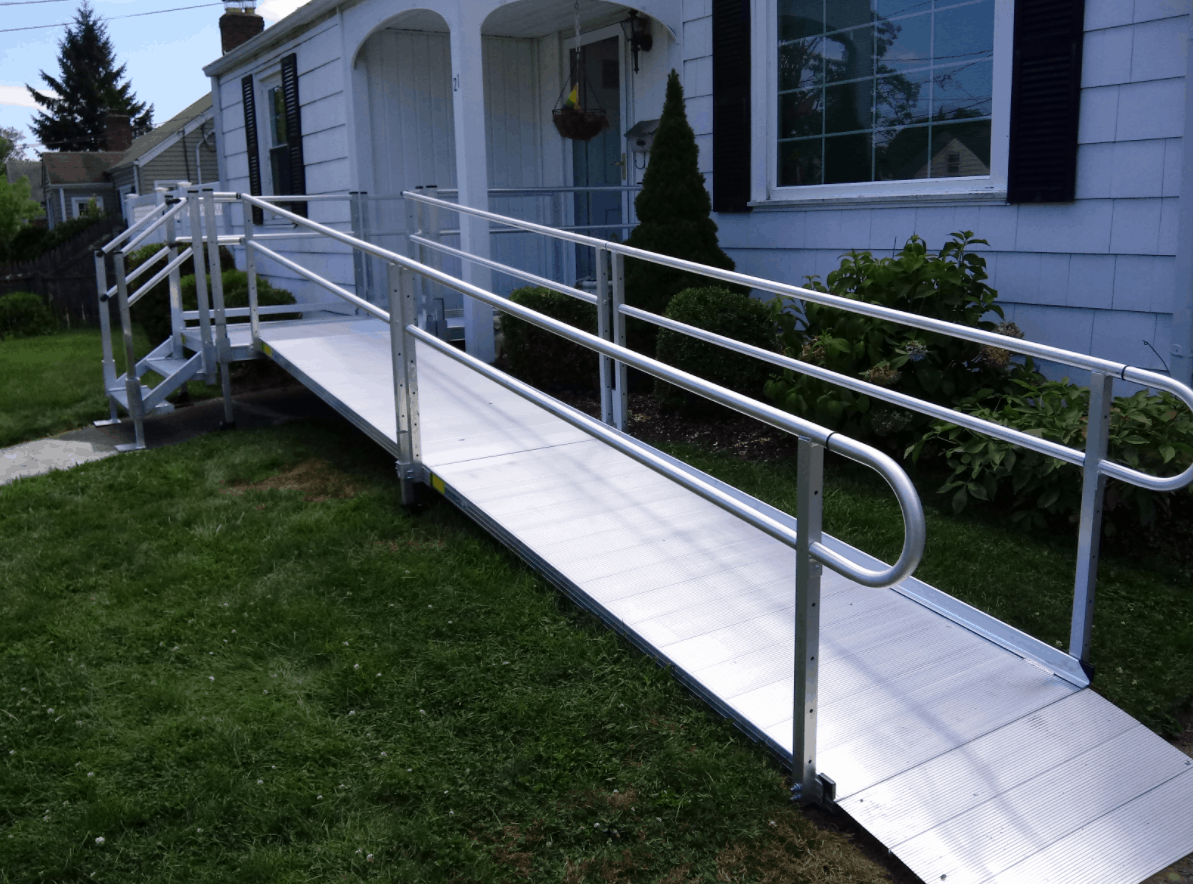
Modular ramps install quickly. Often within hours rather than weeks. Their pre engineered components allow immediate assembly without major construction.
This speed provides relief when accessibility cannot be postponed.
Flexibility Reduces Emotional Pressure
When mobility needs change suddenly, emotional uncertainty follows. Families do not always know how long support will be needed.
Modular ramps provide flexibility. They allow families to address immediate needs without committing to permanent structural change.
This flexibility reduces emotional pressure and allows thoughtful decision making over time.
Adaptability as Needs Change
Recovery journeys are unpredictable. Mobility may improve gradually. Equipment needs may evolve.
Modular ramps can be adjusted, expanded, relocated, or removed entirely. They adapt to changing circumstances rather than forcing rigid solutions.
Adaptability supports real life.
Preserving the Home’s Structure
Permanent ramps alter the physical structure of a home. While often beneficial, they may not be appropriate for temporary situations.
Modular ramps install without major structural modification. They rest securely in place but do not require permanent attachment.
This preserves the home while providing access.
Ideal for Rental Properties
Renters often face accessibility challenges with limited authority to modify property structures.
Modular ramps provide solutions without violating lease agreements or requiring permanent changes.
They allow accessibility without compromising housing arrangements.
Supporting Medical Recovery Periods
Surgeries, injuries, and treatments frequently involve temporary mobility limitations.
During recovery, ramps allow individuals to leave home safely for appointments, therapy, or daily activities.
Maintaining independence during recovery supports emotional wellbeing.
Ease of Removal After Recovery
When mobility improves, modular ramps can be removed easily. The home returns to its original state without repair or reconstruction.
This reversibility makes modular ramps especially valuable for temporary accessibility.
Solutions should not outlast their necessity.
Consistent Safety Compared to Improvised Solutions
Without modular ramps, families may attempt improvised solutions such as portable boards or makeshift slopes.
These alternatives lack stability and safety assurance.
Modular ramps provide reliable, engineered accessibility that protects users from unnecessary risk.
Emotional Comfort of Reversible Decisions
Permanent changes can feel overwhelming during emotional transitions.
Modular ramps offer reassurance that accessibility support can evolve alongside changing needs.
This emotional flexibility matters deeply.
Professional Installation and Reliability
Modular ramps are designed for professional installation. Their components fit securely and consistently.
This ensures safe operation throughout their use.
Reliability builds trust.
Supporting Caregivers and Family Members
Caregivers assisting individuals during recovery benefit from modular ramp access. It reduces lifting strain and improves safe navigation.
Accessibility protects everyone involved.
Support systems extend beyond individuals.
Weather Resistance and Durability
Modular ramps use materials designed to withstand weather conditions. They remain stable during rain, heat, or cold.
This durability ensures consistent access regardless of environment.
Temporary does not mean fragile.
Real Life Reflections
I once spoke with someone who installed a modular ramp after surgery. They described it as a bridge between vulnerability and recovery.
Another family shared that their modular ramp provided access during treatment, then was removed once it was no longer needed.
These experiences show how temporary accessibility supports long term independence.
Financial Efficiency
Modular ramps often cost less than permanent construction. They avoid extensive labor and material expenses.
This affordability makes accessibility achievable without financial strain.
Accessibility should not depend on permanent investment alone.
Supporting Planning for the Future
Temporary ramps provide time. Time to evaluate long term needs. Time to consider permanent solutions if necessary.
They prevent rushed decisions driven by urgency.
Thoughtful planning creates better outcomes.
Accessibility Without Commitment
Modular ramps offer accessibility without permanence. They support independence while preserving flexibility.
This balance allows families to focus on healing, adapting, and living.
Solutions should reflect evolving life.
Conclusion
Modular ramps have become the top choice for temporary accessibility because they combine speed, safety, and flexibility. They provide immediate access during recovery or transition without requiring permanent structural change. Their adaptability, ease of installation, and reversibility make them ideal for uncertain situations where mobility needs may evolve.
At KGC, we understand that accessibility needs do not always follow predictable timelines. Our modular ramp solutions are designed to provide safe, reliable access while preserving flexibility for the future. If you or a loved one need temporary accessibility support, our team is here to help you create a solution that fits your life with care and confidence.
You can reach our team through the KGC Contact Page.
