
Designing an Attractive, Functional Ramp That Fits Your Home’s Style
Introduction
The hesitation was not about whether a ramp was needed. That part had already been decided. It was about how it would look.
Someone I care about stood at the edge of their front porch, arms crossed, staring at the steps they had painted years ago. The trim matched the shutters. The landscaping framed the walkway perfectly. It felt intentional. Balanced. Like home.
I don’t want it to look like an add on, they said softly. I don’t want people to walk up and see a problem.
That sentence reveals something deeply human. Accessibility is not just about movement. It is about identity. A home reflects who we are. When accessibility solutions feel out of place, they can feel like symbols of limitation rather than empowerment.
The good news is that ramps no longer have to look temporary, clinical, or disconnected from the architecture around them. Thoughtful design can create ramps that are not only safe and functional but also visually harmonious. This article explores how to design a ramp that supports independence while preserving the beauty and personality of your home.
Why Appearance Matters More Than People Admit
Function is essential, but emotional comfort is just as important. A ramp that looks awkward or industrial can subtly affect how homeowners feel about their space.
When design is intentional, the ramp becomes part of the home’s story rather than an interruption to it.
Accessibility should feel integrated, not imposed.
Starting With the Architecture
Every home has a visual language. Some are traditional with detailed trim and warm materials. Others are modern with clean lines and minimal ornamentation. Some feel rustic. Others coastal or contemporary.
A ramp should speak the same language as the house.
Matching materials, colors, and proportions ensures that the ramp feels designed rather than attached.
Blending With Existing Materials
One of the most effective ways to integrate a ramp is by echoing materials already present on the home.
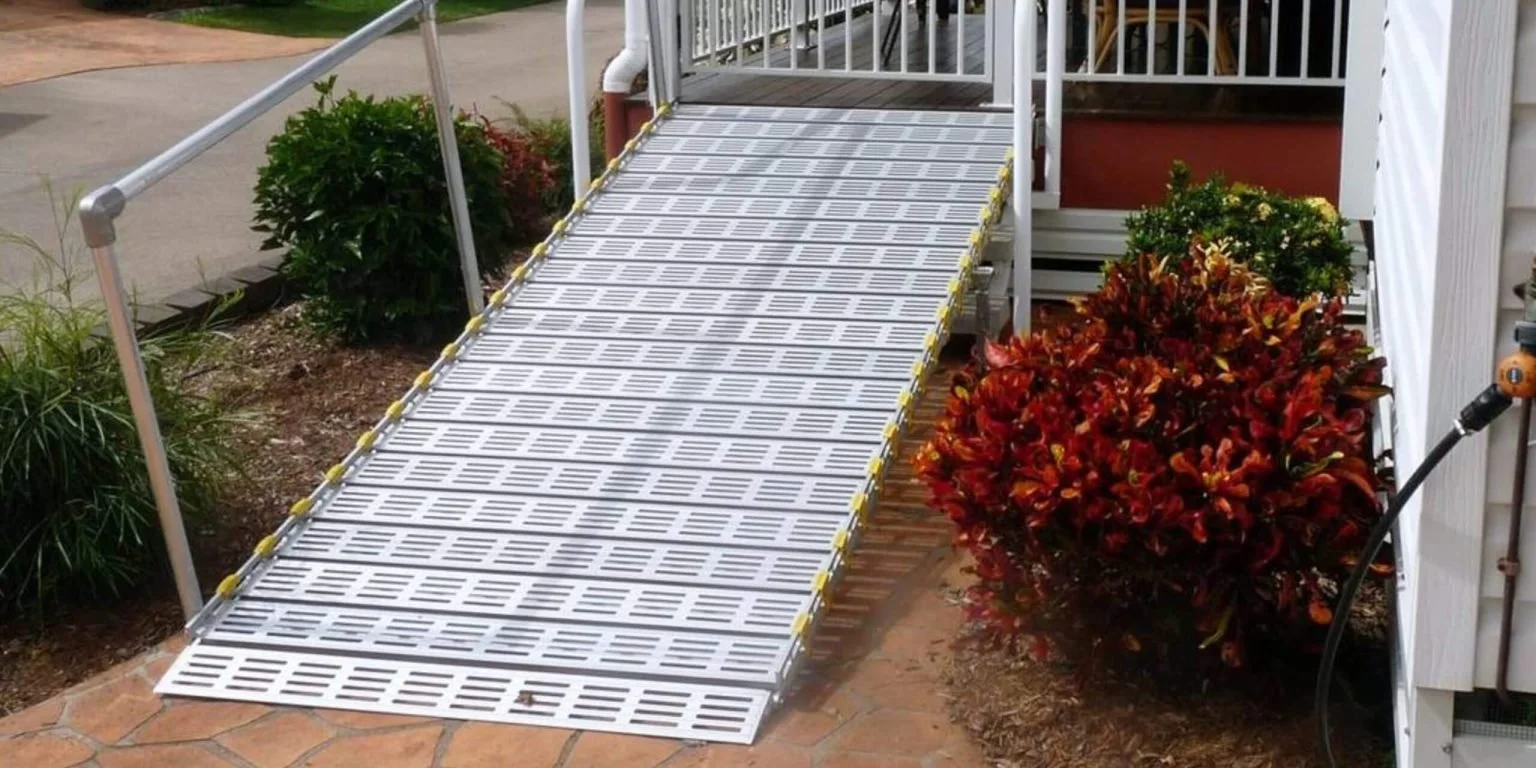
If the house features wood decking, a wood ramp can extend that aesthetic naturally. If metal railings define the entry, aluminum ramp rails can mirror that look. If concrete steps frame a modern facade, a concrete ramp can feel seamless.
Material harmony builds visual unity.
Landscaping as Integration
Ramps do not have to dominate the yard. Landscaping can soften lines and guide the eye.
Strategically placed plants, planters, or low shrubs can frame the ramp and help it blend into the environment.
Greenery creates flow between structure and nature.
Using Curves to Add Elegance
Not all ramps need to be straight. When space allows, gentle curves or switchbacks can add visual interest.
Curved ramps feel intentional and architectural. They transform accessibility into design.
Movement can be beautiful.
Choosing Railings That Complement Style
Railings serve a safety function, but they also shape the ramp’s appearance.
Simple, sleek railings suit modern homes. Decorative or wood trimmed railings align with traditional designs.
The right railing style anchors the ramp visually.
Color Coordination and Finish
Color makes a powerful difference. Matching or complementing the home’s exterior tones ensures that the ramp feels cohesive.
Subtle contrasts can highlight structure without overwhelming the facade.
Color choice communicates care and intention.
Lighting as Both Safety and Design
Integrated lighting enhances safety and adds sophistication.
Soft lighting along railings or beneath edges creates a welcoming entry while improving visibility at night.
Lighting transforms ramps from functional necessity to architectural feature.
Hiding Structural Elements Thoughtfully
Structural supports are essential, but they do not need to be visually dominant.
Skirting panels or design treatments can conceal supports and create clean lines.
Attention to detail elevates appearance.
Respecting Proportion and Scale
A ramp that overwhelms a small home feels intrusive. A ramp that is too narrow or undersized feels inadequate.
Proportion ensures balance between function and visual harmony.
Design is about relationships between elements.
Avoiding the Medical Look
Many homeowners fear ramps will make their house look institutional.
Modern ramp designs avoid this by prioritizing aesthetics alongside compliance.
With thoughtful planning, ramps can feel residential, warm, and welcoming.
Accessibility does not have to look clinical.
Real Life Reflections
I once visited a home where the ramp was so beautifully integrated that I did not notice it at first glance. It curved gently along the side of the porch, framed by planters and matching trim.
Another homeowner shared that neighbors complimented their new ramp, assuming it was part of a larger porch renovation.
These stories show that design changes perception.
Designing for Long Term Living
An attractive ramp is not just about first impressions. It is about how the homeowner feels living with it every day.
When accessibility blends seamlessly, it becomes normal rather than noticeable.
Normalcy restores comfort.
Working With the Home’s Entry Flow
Consider how people approach the house. Does the walkway lead straight to the door? Does it curve through landscaping?
Designing the ramp to follow natural foot traffic maintains intuitive movement.
Flow enhances experience.
Balancing Safety and Style
Safety requirements such as slope, landings, and rail height cannot be compromised for appearance.
The key is designing within those guidelines creatively.
Constraints inspire thoughtful design.
Modular and Permanent Options With Style
Both modular and permanent ramps can be designed attractively.
Modular ramps now come in finishes that feel refined rather than temporary. Permanent ramps allow deeper customization and architectural blending.
Style is possible in both forms.
Emotional Ownership of the Space
When homeowners participate in design decisions, the ramp feels like their choice rather than a concession.
Ownership transforms perception from limitation to empowerment.
Design supports identity.
Accessibility as Part of Modern Living
Homes are evolving to support diverse needs. Accessibility features are becoming part of thoughtful design, not exceptions to it.
Designing an attractive ramp reflects this broader shift.
Inclusive design strengthens communities.
Conclusion
Designing an attractive, functional ramp that fits your home’s style is not only possible but essential for emotional comfort and long term satisfaction. By aligning materials, colors, railings, landscaping, and proportions with the home’s architecture, ramps can feel seamless and intentional. Accessibility does not have to compromise beauty. With thoughtful planning, it enhances it.
At KGC, we believe accessibility solutions should honor both safety and style. Our approach to ramp design focuses on integration, aesthetics, and long term comfort so your home continues to reflect who you are. If you are exploring ramp options and want a design that feels both supportive and beautiful, our team is here to help you create a solution that fits naturally into your life.
You can reach our team through the KGC Contact Page.
