
Why Modular Ramps Are the Top Choice for Temporary Accessibility
Introduction
There is a particular kind of urgency that comes with sudden changes in mobility. I remember a moment when someone I care about returned home from a medical appointment with a walker they had not needed before. Nothing about their home had changed, yet everything felt different. The front steps, which had always been an afterthought, suddenly felt like an obstacle standing between them and the life they wanted to keep living.
We stood together at the doorway, looking out at those steps. There was no anger or panic, just a quiet question hanging in the air. What do we do now
They did not want to renovate their home. They did not want something permanent. They hoped this change might be temporary. But they needed a solution quickly. They needed something safe. They needed something that respected their independence without turning their home into a construction zone.
That was when modular ramps entered the conversation.
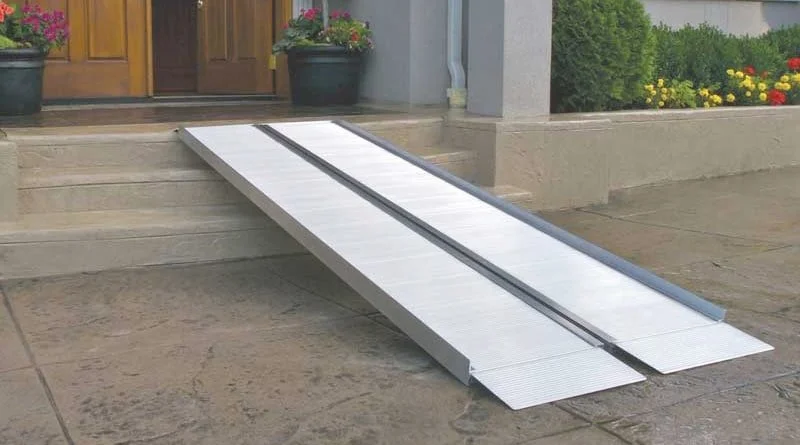
Within days, a ramp appeared where the steps had once felt so intimidating. It did not require tearing anything out. It did not permanently alter the house. It simply created a smooth, reliable path that allowed them to come and go with confidence. What struck me most was not how fast it was installed, but how naturally it fit into daily life. The ramp did not feel like a compromise. It felt like support.
This experience reflects why modular ramps have become the top choice for temporary accessibility. They respond to change with flexibility. They meet immediate needs without demanding long term commitments. They offer safety, dignity, and peace of mind during uncertain seasons of life.
In this article, we will explore why modular ramps are so effective for temporary accessibility. We will look at how they work, when they are most useful, and why they often provide the perfect balance between support and simplicity for individuals and families navigating short term or evolving mobility needs.
Understanding What Modular Ramps Are
Modular ramps are accessibility ramps made from prefabricated sections that can be assembled, adjusted, and removed without permanent construction. Unlike traditional built in ramps, modular systems rely on standardized components that fit together securely. These components can be configured to accommodate different heights, lengths, and layouts.
What makes modular ramps unique is their adaptability. They can be installed quickly, reconfigured if needs change, and removed when they are no longer needed. They often rest on the ground or attach minimally to a structure, which reduces the need for extensive permitting or structural modification.
For people facing temporary mobility challenges, this adaptability is invaluable. Life rarely unfolds in straight lines. Recovery timelines change. Mobility improves or shifts. Modular ramps respect that uncertainty by offering support without permanence.
Why Temporary Accessibility Needs Are So Common
Temporary accessibility needs arise more often than people expect. A surgery, injury, or illness can suddenly change how someone moves. A broken leg, joint replacement, neurological event, or medical treatment can make steps unsafe or impossible for weeks or months.
Families may also host visiting relatives who need support for a limited time. New parents navigating strollers may find steps unexpectedly challenging. Caregivers may need safe access for short term care arrangements.
In all these situations, the need is real but not necessarily permanent. Investing in major construction may feel excessive or impractical. Modular ramps fill this gap beautifully. They provide immediate, reliable access without requiring a long term decision before the future is clear.
Speed and Simplicity of Installation
One of the greatest advantages of modular ramps is how quickly they can be installed. When mobility changes suddenly, time matters. Waiting weeks for design approvals, materials, and construction can leave someone effectively trapped inside their home.
Modular ramps can often be installed in a matter of hours or days. The components arrive ready to assemble. The process is clean and efficient. There is minimal disruption to the home and yard. Families do not have to rearrange their lives around construction schedules.
This speed restores freedom quickly. Someone who has been avoiding outings can begin leaving the house again. Appointments become manageable. Social connection returns. The ramp does not just change the entrance. It changes the rhythm of daily life.
Flexibility as Needs Change
Temporary accessibility rarely follows a predictable timeline. Someone may start using a wheelchair, then transition to a walker, then a cane. Or they may regain strength more slowly than expected. Or they may realize they need more support than originally planned.
Modular ramps adapt to these changes. Sections can be added to reduce slope. Platforms can be adjusted. Handrails can be reconfigured. The ramp can grow or shrink with the user’s needs.
This flexibility prevents the frustration of outgrowing a solution too quickly. It also prevents the waste of installing something that no longer fits. Modular ramps meet people where they are and move with them as circumstances evolve.
Preserving the Home’s Structure and Appearance
Many homeowners hesitate to install permanent ramps because they worry about altering their home’s appearance or structure. This concern is especially common when the need feels temporary. Modular ramps address this hesitation thoughtfully.
Because modular ramps typically do not require cutting into the home or pouring permanent foundations, they preserve the original structure. When the ramp is removed, the home remains largely unchanged. This is reassuring for homeowners who value their home’s design or plan to sell in the future.
Visually, modular ramps have also evolved significantly. Modern designs are clean, functional, and unobtrusive. They blend into the environment rather than dominating it. The home still feels like home.
Reduced Permitting Complexity
Permitting requirements vary widely by location, but modular ramps often simplify the process. Because they are frequently classified as temporary or non permanent structures, they may not require the same permits as built in ramps.
This does not mean permits are never needed, but modular systems often fall into a less complex category. This can reduce delays and administrative stress at a time when families are already navigating medical or caregiving challenges.
Even when permits are required, modular ramp providers are often familiar with local regulations and can guide families through the process efficiently.
Safety Without Compromise
Temporary does not mean unsafe. Modular ramps are engineered to meet safety standards, including appropriate slope, weight capacity, and handrail support. They are designed to be stable and secure for daily use.
The modular nature does not weaken the ramp. Components lock together firmly. Materials are chosen for durability and traction. Many modular ramps include textured surfaces that provide grip in wet or icy conditions.
For users, this means confidence. They can move up and down the ramp without fear. Caregivers can assist without strain. Safety remains consistent even though the solution is temporary.
Ideal for Rental Homes and Shared Spaces
Renters often face additional challenges when accessibility needs arise. Permanent modifications may not be allowed or may require landlord approval. Modular ramps offer a practical solution that respects rental agreements.
Because modular ramps can be installed and removed without altering the property, they are often permitted where permanent construction is not. This allows renters to maintain independence without risking lease violations.
Modular ramps are also valuable in shared spaces, such as multi family homes or temporary living arrangements. They provide access without requiring structural changes that affect other residents.
Supporting Emotional Wellbeing During Uncertain Times
Temporary mobility changes can be emotionally challenging. People may feel vulnerable, frustrated, or uncertain about the future. Accessibility solutions should not add to that emotional burden.
Modular ramps support emotional wellbeing by restoring autonomy quickly. They allow individuals to maintain routines, make choices, and participate in life outside the home. They reduce the feeling of being stuck or dependent.
Because modular ramps do not signal permanence, they also offer psychological comfort. They say, This is support for now. This is a bridge, not a destination. That message matters deeply for people navigating recovery or change.
Cost Effectiveness for Short Term Use
Permanent ramps represent a significant investment. When the need is temporary, that investment may not feel appropriate. Modular ramps offer a cost effective alternative.
Because they can be rented or reused, modular ramps reduce financial strain. Families can allocate resources toward recovery, care, or other priorities rather than permanent construction.
The ability to remove and reuse the ramp also means it retains value beyond a single situation. Some families keep modular ramps on hand for future needs or share them with others.
Real Life Scenarios Where Modular Ramps Shine
I once met a family whose parent had undergone hip surgery. The recovery period was expected to last several months. Installing a permanent ramp felt unnecessary, but the steps were too risky to navigate safely.
A modular ramp was installed quickly. It allowed the parent to attend physical therapy, enjoy fresh air, and maintain independence during recovery. When mobility improved, the ramp was removed. The home returned to its original state, but the experience left a lasting impression of how thoughtful accessibility can be.
Another family welcomed a grandparent for an extended visit. The home had steps at the entrance, and the visit was meant to be temporary. A modular ramp provided safe access for the duration of the stay without altering the property. It supported inclusion without complication.
These stories illustrate how modular ramps meet real needs in real moments, offering solutions that feel respectful and proportionate.
Comparing Modular and Permanent Ramps in Temporary Situations
In temporary situations, permanent ramps often introduce challenges that modular systems avoid. Construction takes longer. Costs are higher. Permitting may be more complex. Removal later may be expensive or impractical.
Modular ramps provide the benefits of accessibility without these drawbacks. They are installed quickly, adjusted easily, and removed cleanly. They respect the temporary nature of the situation.
This does not mean permanent ramps are not valuable. They are essential for long term needs. But when accessibility is temporary or uncertain, modular ramps often provide the right balance.
Durability Through Changing Conditions
Temporary use does not always mean short exposure. Some temporary needs last months or even longer. Modular ramps are designed to withstand daily use and weather exposure throughout that time.
Materials such as aluminum resist corrosion. Textured surfaces maintain traction. Components are designed to remain stable even with repeated use. This durability ensures safety does not diminish over time.
Families can rely on modular ramps throughout the entire period of need without worrying about degradation.
Ease of Removal and Transition
When the time comes to remove a modular ramp, the process is straightforward. Components are disassembled and taken away without leaving permanent marks or damage. This ease of removal makes the transition back to steps or to a different accessibility solution smooth.
For some families, removal marks the end of a recovery journey. For others, it signals a transition to a different form of support. Either way, the modular ramp does not become a lingering reminder or burden.
Supporting Caregivers Alongside Users
Caregivers often shoulder the physical and emotional weight of temporary mobility changes. Modular ramps support caregivers by reducing lifting, stabilizing movement, and creating safer pathways.
Pushing a wheelchair or assisting someone with a walker becomes easier. The caregiver’s body is protected. Stress decreases. The relationship between caregiver and user becomes less about managing obstacles and more about living life.
This support matters deeply during periods of change.
Why Modular Ramps Reflect Thoughtful Accessibility
At their core, modular ramps reflect a philosophy of accessibility that is responsive rather than rigid. They acknowledge that people’s needs change. They honor dignity by offering support without permanence when permanence is not desired.
They do not force decisions before people are ready. They provide space to heal, adapt, and reassess.
This thoughtful approach aligns with how life actually unfolds.
Conclusion
Modular ramps have become the top choice for temporary accessibility because they meet people where they are with flexibility, speed, and respect. They provide safe, reliable access during periods of change without demanding permanent alteration or long term commitment. They support independence, protect caregivers, and preserve the home.
Whether navigating recovery, hosting a loved one, or responding to unexpected mobility challenges, modular ramps offer a solution that feels both practical and compassionate.
At KGC, we believe accessibility should adapt to your life, not the other way around. Our approach to modular ramps centers on safety, dignity, and ease during transitional moments. If you are facing a temporary accessibility need and want guidance on choosing the right solution, our team is here to help.
You can reach our team through the KGC Contact Page.
