
Understanding Weight Capacity and Safety Features of Overhead Lifts
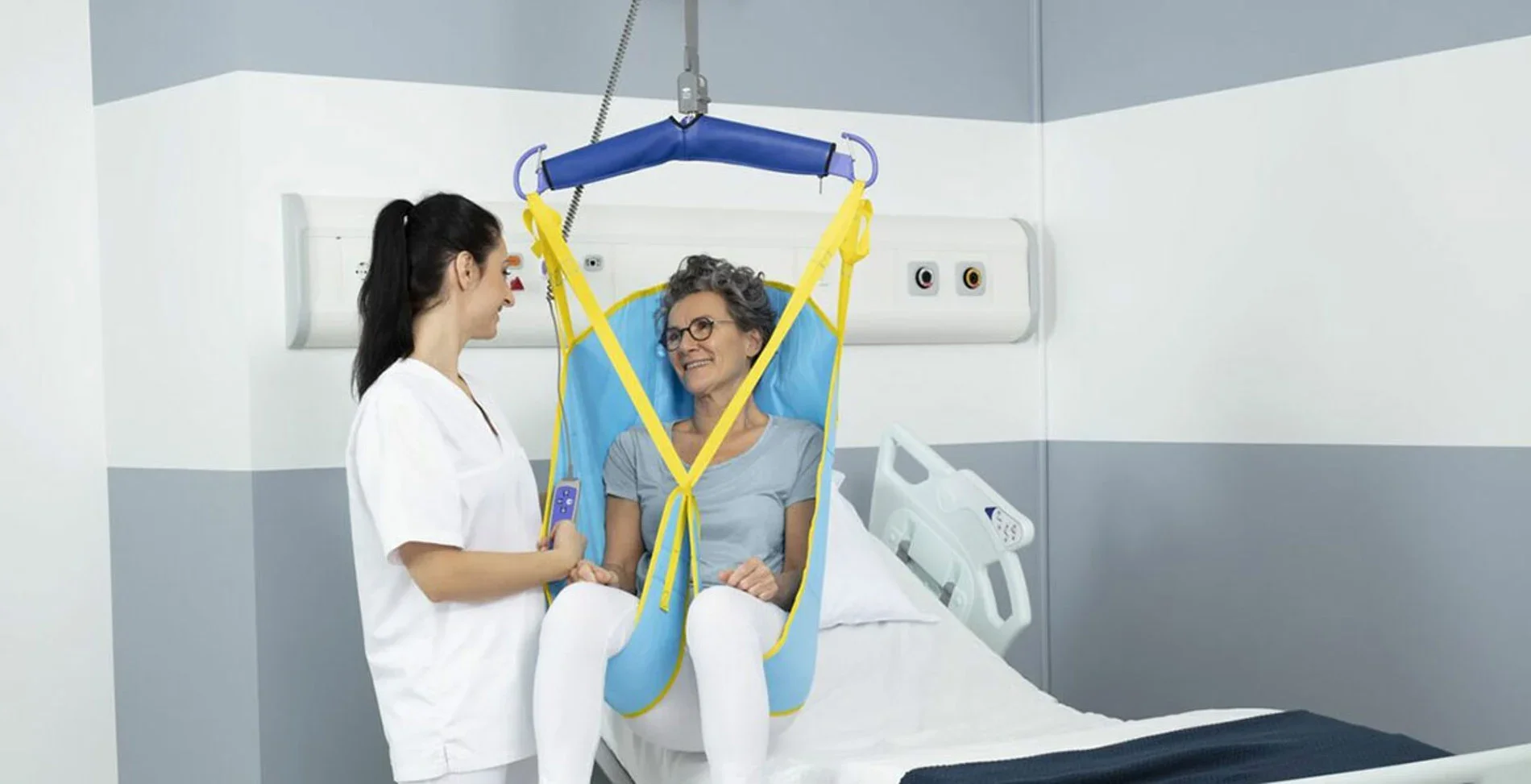
There is often a quiet turning point in a home when safety becomes part of everyday conversation. It does not arrive with urgency or alarm. Instead, it appears gradually, woven into ordinary moments. A caregiver pauses before helping someone move from bed to chair. Hands adjust position carefully. Both people exchange reassuring smiles while silently wondering if the transfer will feel as steady as it did yesterday.
The moment passes successfully, yet it leaves behind a question that many families eventually ask themselves. How can movement feel safer, more comfortable, and less physically demanding for everyone involved?
That question often leads to overhead lift systems. At first glance, families may focus on convenience or mobility, but deeper conversations quickly emerge around weight capacity, safety features, and reliability. Understanding these elements transforms overhead lifts from unfamiliar equipment into trusted partners in daily living.
This journey is not about limitations. It is about creating environments where movement happens confidently, dignity remains intact, and caregivers can offer support without risking their own well-being.
The Meaning Behind Weight Capacity
Weight capacity is sometimes misunderstood as a purely technical specification. Numbers on a brochure can feel abstract, disconnected from real life. Yet weight capacity represents something deeply human. It reflects trust.
When someone is lifted, they are placing complete confidence in the system supporting them. The caregiver, too, relies on that system to perform consistently and safely. Weight capacity therefore becomes less about measurement and more about assurance.
Overhead lift systems are engineered with carefully tested load limits that account not only for body weight but also for movement dynamics. During transfers, weight shifts slightly as the body changes position. Engineers anticipate these natural variations, designing equipment capable of handling more than static weight alone.
Families often feel relief when they understand that lift systems include safety margins. The listed capacity is not simply a maximum number but part of a broader safety framework designed to prevent strain on both equipment and users.
Choosing the appropriate capacity resembles selecting a sturdy bridge rather than a narrow walkway. The goal is not merely to support today’s needs but to provide lasting stability for the future.
Why Proper Capacity Selection Matters
Imagine carrying a heavy box across a room. If the box feels too close to your lifting limit, every step feels uncertain. Your muscles tense, and movement becomes cautious.
The same emotional response can occur when lift systems are undersized for their intended use. Even if transfers technically succeed, uncertainty can linger.
Selecting the correct weight capacity removes hesitation from daily routines. Caregivers operate the lift confidently, and individuals feel secure knowing the system was chosen specifically for their comfort and safety.
Professionals typically assess multiple factors during selection. They consider not only weight but also mobility level, transfer frequency, and potential future needs. A system that accommodates growth or changing circumstances helps families avoid frequent equipment changes.
Planning ahead creates continuity. The home remains stable even as care needs evolve.
The Engineering Behind Overhead Lift Safety
Modern overhead lifts are remarkable examples of thoughtful engineering. Beneath their smooth operation lies a network of safety mechanisms working quietly in the background.
The motor controls movement speed, preventing sudden starts or stops. Sensors monitor load distribution to ensure balanced lifting. Emergency lowering systems allow safe operation even during unexpected power interruptions.
These features operate much like modern vehicles equipped with stability control and braking assistance. Drivers rarely think about these systems until they realize how effortlessly they prevent accidents.
Overhead lifts bring similar invisible protection into caregiving environments. Their purpose is not to draw attention but to remove risk.
Families often describe the first successful transfer using a lift as surprisingly calm. The motion feels controlled, almost gentle, replacing the tension that manual lifting sometimes creates.
Safety as a Shared Experience
Safety is not experienced by one person alone. It exists between people.
Caregivers feel safer when they no longer need to support full body weight manually. Individuals receiving assistance feel safer when movement occurs smoothly and predictably. Both participants share a sense of ease that changes the emotional tone of caregiving.
Before installing an overhead lift, transfers may involve counting steps aloud, coordinating timing, or adjusting grips repeatedly. After installation, those conversations shift. Instead of focusing on mechanics, people talk about everyday life during transfers.
Safety allows attention to return to connection.
This shared comfort strengthens relationships because neither person carries silent worry about potential injury.
The Role of Track Systems in Stability
One of the defining characteristics of overhead lifts is the ceiling-mounted track system. These tracks guide movement along predetermined pathways, creating stability throughout the transfer.
Unlike mobile lifts that depend on floor positioning, overhead systems remove obstacles from the equation. Rugs, furniture, and narrow hallways no longer complicate transfers. The lift glides along a secure path, maintaining balance from start to finish.
The experience often feels similar to riding a train on well-designed rails. Movement remains smooth because direction is controlled.
Track configurations can be customized to follow daily routines. Some systems connect bedrooms to bathrooms. Others extend into living spaces, allowing individuals to participate fully in household activities.
Safety becomes embedded in the home’s architecture itself.
Sling Design and Comfort Considerations
While the lift motor provides strength, the sling provides comfort. This fabric support system plays a vital role in both safety and emotional experience.
A properly fitted sling distributes weight evenly, reducing pressure points and preventing discomfort. Materials are selected for breathability and durability, ensuring comfort during longer transfers.
Choosing the right sling resembles selecting supportive footwear. The correct fit enhances confidence, while an improper fit creates hesitation.
Families often discover that personalized sling selection dramatically improves comfort. Some designs support seated transfers, while others accommodate repositioning or bathing needs. Each option contributes to the overall feeling of security.
When comfort and safety align, individuals relax during movement rather than brace themselves.
Built-In Redundancies That Protect Everyone
Overhead lift systems incorporate layers of protection designed to function even if unexpected issues arise. Backup systems ensure safe operation under varying conditions.
Battery-powered emergency lowering allows transfers to continue during power outages. Overload protection prevents lifting beyond safe limits. Manual controls provide additional reassurance if electronic components require attention.
These redundancies mirror the safety philosophy used in aviation, where multiple safeguards operate simultaneously. The intention is simple. Safety should never rely on a single point of success.
For families, this design philosophy translates into peace of mind. Daily routines proceed without fear of interruption or risk.
Reducing Injury Risk Through Mechanical Assistance
Manual lifting remains one of the leading causes of caregiver injury. Even experienced caregivers can experience strain when assisting with transfers repeatedly.
Overhead lifts remove this burden entirely. Instead of lifting, caregivers guide. Instead of exerting force, they focus on positioning and reassurance.
The shift is profound. Caregiving becomes sustainable over time because physical strain no longer accumulates.
Many caregivers report sleeping better after installing a lift system. The constant background worry about back injuries fades. They know they can continue supporting their loved ones without sacrificing their own health.
Safety extends beyond the moment of transfer into long-term well-being.
Emotional Confidence and Psychological Safety
Safety features influence emotional comfort as much as physical protection. Knowing that equipment includes tested safeguards reduces anxiety for everyone involved.
Individuals often feel more willing to move when they trust the process. Caregivers approach transfers calmly rather than cautiously.
Confidence grows gradually. Each successful transfer reinforces trust in the system. Over time, the lift becomes a natural part of home life rather than specialized equipment.
Psychological safety allows families to focus on living rather than managing risk.
Professional Installation and Ongoing Support
Even the most advanced safety features depend on proper installation. Professional assessment ensures ceiling structures can support loads and that tracks align with daily movement patterns.
Installation teams consider room layout, structural integrity, and user comfort. Their goal is not simply to install equipment but to create a seamless experience.
After installation, education plays an important role. Families learn how to operate controls, adjust slings, and maintain equipment confidently.
This collaborative process transforms uncertainty into familiarity. The lift becomes an empowering tool rather than an intimidating device.
Designing Homes That Adapt Over Time
Homes evolve alongside the people who live in them. Accessibility solutions should support that evolution without disrupting comfort or style.
Overhead lifts represent forward-thinking design. They anticipate future needs while improving present-day safety. Many families install lifts proactively, recognizing that prevention offers greater comfort than reaction.
By integrating safety features into the home environment early, families create spaces capable of adapting gracefully.
The home remains a place of independence rather than limitation.
Conclusion
Understanding weight capacity and safety features of overhead lifts reveals a deeper truth. These systems are not simply mechanical devices. They are tools that protect relationships, preserve dignity, and make caregiving sustainable.
When thoughtfully selected and professionally installed, overhead lift systems provide reliable support that enhances comfort for both caregivers and individuals receiving assistance. Safety becomes effortless, movement becomes confident, and daily routines regain a sense of ease.
At KGC, mobility and accessibility solutions are approached with care, collaboration, and customization. Every overhead lift installation reflects a commitment to understanding each family’s unique needs and creating solutions that blend safety, style, and functionality within the home.
If you are considering an overhead lift or exploring safer mobility options, the next step begins with a conversation. Connect with the KGC team through the KGC Contact Page to learn how personalized accessibility solutions can help you create a safer, more comfortable living environment.
