
How Patient Lift Systems Improve Comfort for Both Patients and Caregivers
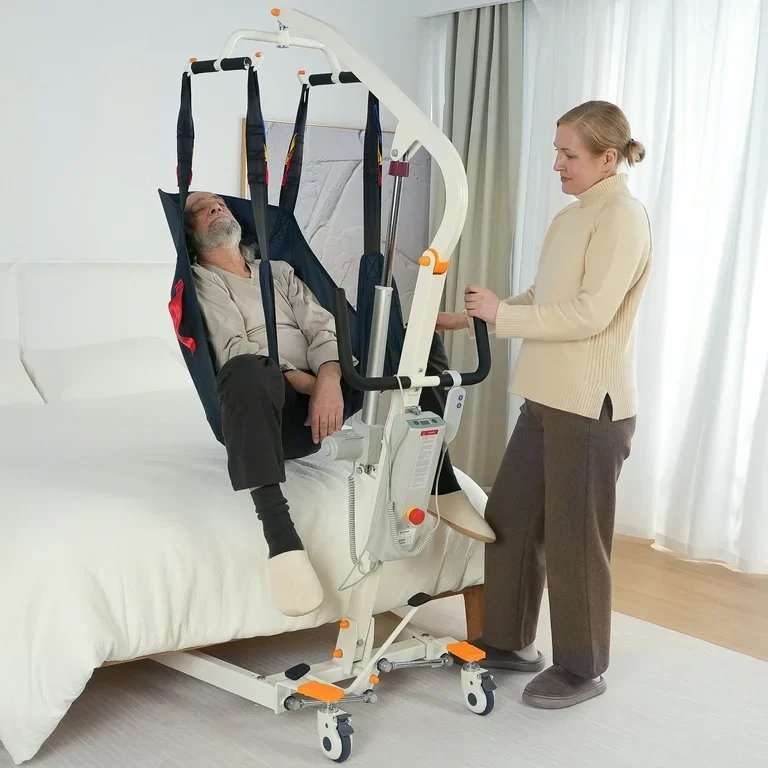
There was a moment, sometime during an ordinary afternoon, when the rhythm of a home quietly shifted. A caregiver stood beside a loved one preparing to move from bed to chair, both pausing longer than usual before beginning. Nothing dramatic had happened. No emergency, no sudden change. Just a shared awareness that what once felt simple now required planning, effort, and careful coordination.
The caregiver adjusted their stance, offering reassurance with a smile while mentally calculating balance, weight, and timing. The person receiving support tried to help as much as possible, even apologizing for needing assistance. The transfer succeeded, but afterward both were tired in different ways. One felt physical strain in the shoulders and back. The other felt the emotional weight of dependence, wishing comfort did not come with discomfort for someone else.
That quiet moment is familiar in many homes. Care is an act of love, but love alone cannot eliminate physical strain or emotional vulnerability. Over time, families begin searching for solutions that preserve connection without risking injury or exhaustion. Increasingly, they discover that patient lift systems do more than move people safely. They restore comfort, confidence, and dignity to everyday living.
Rethinking Comfort in Home Care
Comfort is often misunderstood. Many people assume comfort simply means soft seating or supportive mattresses, yet real comfort in caregiving is deeply relational. It involves trust, safety, predictability, and freedom from fear.
Imagine sitting down in a chair without wondering whether someone might lose their grip. Imagine assisting a loved one without silently worrying about hurting your back. These small reassurances shape the emotional climate of a home.
Before lift systems enter the picture, transfers often rely on physical strength and improvisation. Caregivers learn techniques from therapists or online videos, trying to mimic professional movements inside spaces never designed for lifting. Even when done carefully, manual transfers can feel uncertain. Every step requires coordination between two people whose balance, mobility, and energy levels may change daily.
Patient lift systems shift the experience entirely. Instead of relying on strength, families rely on technology designed specifically for safe movement. The focus moves away from effort and toward comfort. The transfer becomes predictable, smooth, and calm.
Comfort, in this context, means both people can breathe normally during the process.
The Hidden Physical Strain Caregivers Carry
Caregiving rarely begins with thoughts about injury prevention. It begins with willingness. A spouse helps a partner stand. A family member offers support after surgery. A parent assists an adult child with mobility needs. These actions feel natural at first.
Over time, repetition changes the equation.
Lifting, supporting, and repositioning another person places significant stress on muscles and joints. Even strong, healthy individuals experience cumulative strain. The body absorbs small stresses daily, and months later discomfort appears in the lower back, shoulders, or wrists.
Caregivers often ignore these signals because the priority remains helping someone else. They adjust their movements, compensate with different muscles, or push through fatigue. Yet physical strain subtly changes caregiving dynamics. Movements become slower. Confidence decreases. Anxiety about injury begins to linger.
Patient lift systems intervene before strain becomes injury. By transferring the physical workload to a mechanical system, caregivers regain freedom of movement. They no longer brace themselves before every transfer. Instead, they guide, support, and reassure while the lift performs the heavy work.
The difference feels similar to switching from carrying groceries by hand to using a rolling cart. The destination remains the same, but the journey becomes sustainable.
Comfort for the Person Receiving Care
While caregiver safety is essential, the comfort of the person being assisted remains equally important. Many individuals hesitate to express discomfort during transfers because they worry about burdening those helping them.
Manual lifting can feel unpredictable. Sudden adjustments or shifts in balance may create moments of fear, even when everyone is careful. Being lifted manually often places individuals in awkward positions, requiring them to tense muscles or hold onto caregivers for stability.
Patient lift systems transform this experience. Modern lifts provide steady, controlled motion that minimizes abrupt movements. The individual remains securely supported, often feeling more stable than during manual transfers.
The psychological shift can be profound. Instead of feeling handled or carried, individuals feel supported. The experience becomes collaborative rather than dependent.
Comfort grows from knowing that movement will be smooth every time.
Preserving Dignity Through Thoughtful Design
Dignity is not an abstract concept. It appears in everyday interactions, especially when personal care becomes part of daily life.
Many families initially resist lift systems because they imagine bulky medical equipment disrupting the warmth of their home. Older images of institutional devices still influence perception. Yet modern patient lift systems are intentionally designed to blend into living spaces.
Ceiling-mounted systems follow clean architectural lines. Freestanding lifts feature refined designs that complement interiors rather than dominate them. Instead of announcing medical need, they quietly integrate into daily routines.
This design evolution matters because environment influences emotional comfort. When accessibility solutions feel intentional and stylish, individuals feel empowered rather than defined by mobility challenges.
A home remains a home, not a clinic.
Emotional Comfort for Caregivers
Caregiving is emotional work as much as physical work. Many caregivers describe a constant internal dialogue balancing compassion with worry. They want to help while fearing accidental harm.
Patient lift systems relieve this emotional tension.
Transfers become moments of connection rather than stress. Caregivers can focus on conversation, encouragement, or simple companionship while guiding the lift. Eye contact replaces concentration on lifting mechanics.
One caregiver once described the change as moving from “holding on tightly” to “being present.” The difference lies in mental freedom. When safety is built into the process, emotional energy returns to relationships.
Caregiving becomes less about managing risk and more about sharing life together.
Supporting Independence Rather Than Replacing It
A common misconception suggests that assistive technology reduces independence. In reality, patient lift systems often expand it.
Individuals who feel unsafe during transfers may limit movement throughout the day. They remain seated longer, avoid certain rooms, or decline activities requiring assistance. Over time, reduced mobility can affect confidence and participation.
With a lift system, movement becomes accessible again. Transfers to favorite chairs, bathrooms, or outdoor spaces occur with ease. Individuals regain agency in choosing where they want to spend time.
Independence does not always mean doing everything alone. Sometimes it means having reliable support that allows choices to remain intact.
Patient lifts empower participation rather than restrict it.
The Role of Predictability in Daily Comfort
Humans find comfort in routine. Predictable experiences reduce stress because outcomes feel known and manageable.
Manual transfers vary depending on energy levels, positioning, and physical strength on any given day. Even experienced caregivers encounter moments where transfers feel more difficult than expected.
Lift systems introduce consistency. The motion remains controlled and repeatable. Families quickly develop routines around positioning, sling use, and movement pathways.
Predictability reduces hesitation. Both caregiver and individual know what to expect, which builds trust over time. The home environment becomes calmer because uncertainty fades.
Comfort grows from reliability.
Reducing Fatigue for Everyone Involved
Fatigue in caregiving rarely comes from a single event. It accumulates through repeated effort. Each transfer may seem manageable alone, but multiple transfers each day create lasting exhaustion.
Caregivers often end evenings physically drained. Individuals receiving care may also feel tired from assisting during manual movements.
Patient lift systems conserve energy for both people. Transfers require less exertion, allowing energy to be spent on meaningful activities instead of physical strain.
The impact appears in subtle ways. Conversations last longer. Outings feel more possible. Even rest becomes more restorative because muscles are not recovering from unnecessary stress.
Comfort extends beyond the moment of transfer into the entire day.
Creating Safer Homes Without Sacrificing Style
Modern accessibility solutions recognize that safety and aesthetics can coexist. Homes evolve over time, adapting to changing needs while maintaining personal character.
Patient lift systems can be customized to match home layouts and lifestyles. Tracks may follow natural pathways between bedroom and bathroom. Equipment can remain discreet when not in use.
Families often discover that accessibility improvements enhance the home’s functionality for everyone. Clearer pathways, thoughtful layouts, and intentional design benefit visitors and residents alike.
Safety becomes an invisible layer supporting daily life rather than an obvious modification.
Strengthening Relationships Through Reduced Stress
Caregiving relationships carry emotional complexity. Roles shift, and both individuals navigate new dynamics. Stress during physical assistance can unintentionally create frustration or embarrassment.
When transfers become effortless, interactions soften. Humor returns. Conversations feel relaxed. Caregiving moments no longer interrupt emotional connection.
Patient lift systems create space for relationships to remain centered on companionship instead of physical effort. They allow families to focus on shared experiences rather than logistical challenges.
Comfort, ultimately, is relational.
Looking Toward the Future with Confidence
Choosing a patient lift system often marks a turning point. Families move from reactive caregiving to proactive planning. Instead of waiting for injury or crisis, they invest in long-term comfort and safety.
This forward-looking mindset supports emotional well-being. Knowing the home can adapt to evolving needs brings peace of mind.
Individuals feel secure remaining in familiar environments. Caregivers feel confident continuing their supportive roles without risking personal health.
The home becomes a place prepared for the future while honoring the present.
Conclusion
Comfort in caregiving is not defined by convenience alone. It is shaped by dignity, safety, independence, and emotional connection. Patient lift systems quietly transform daily routines by reducing physical strain, restoring confidence, and allowing both caregivers and individuals receiving support to move through life with greater ease.
At KGC, mobility and accessibility solutions are approached with empathy and personalization. Every home, every family, and every care journey is unique. KGC works closely with clients to design customized patient lift systems that integrate seamlessly into living spaces while prioritizing comfort, safety, and style.
If you are exploring ways to create a safer and more comfortable home environment, the next step begins with a conversation.
Learn how KGC can support your mobility goals by visiting the KGC Contact Page and connecting with a team dedicated to helping you live confidently at home.
