
The Best Rooms to Install Overhead Patient Lifts (and Why)
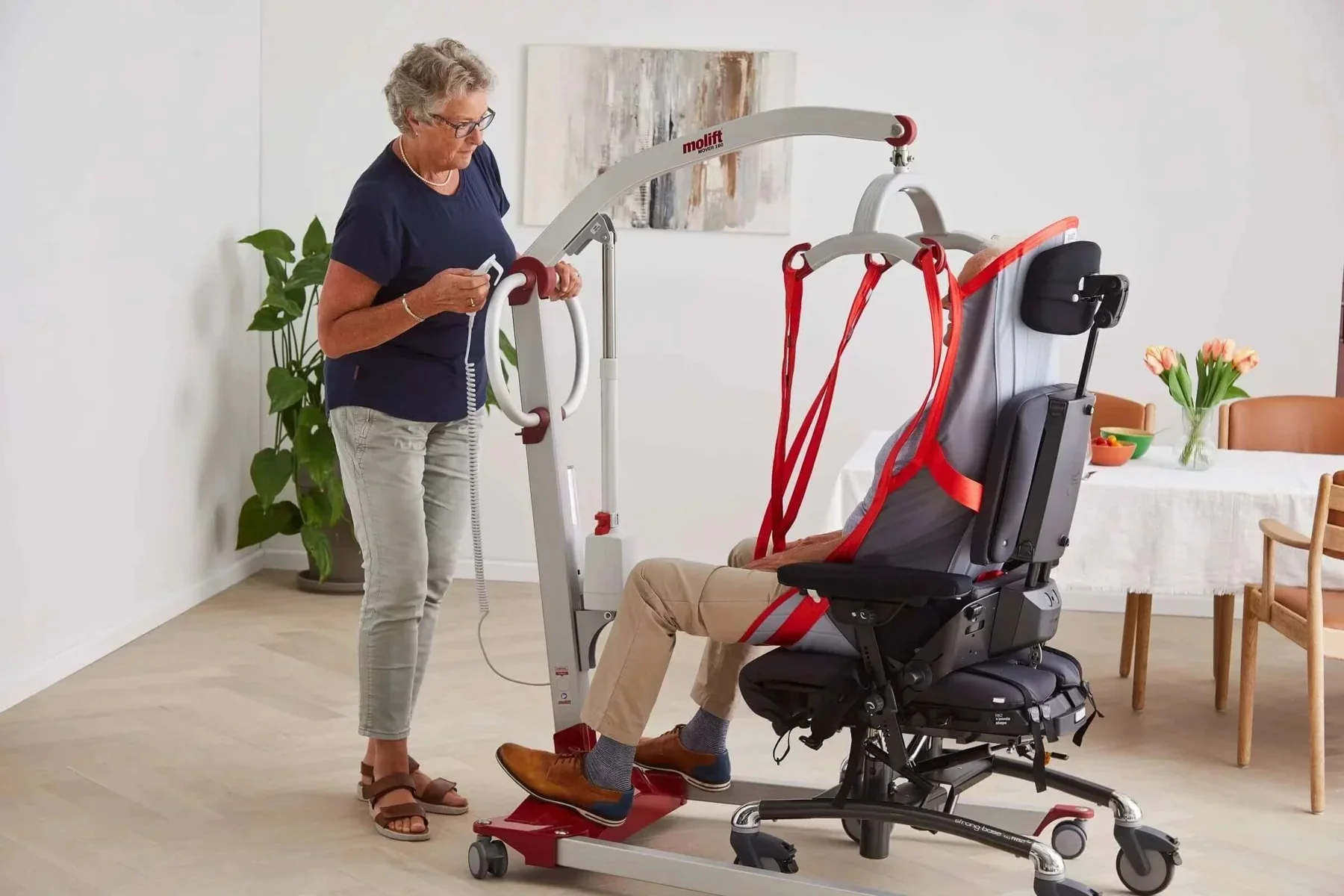
There is often a moment when families begin to see their home differently. It may happen during a morning routine when transferring from bed feels more complicated than it once did, or late in the evening when fatigue makes even a short walk across the room feel like an obstacle. Nothing about the home has changed physically, yet daily movement suddenly requires more thought, more coordination, and more energy.
A caregiver pauses beside a loved one, carefully planning the next step. Furniture placement becomes important. Floor space matters. Timing matters. Both people move slowly, cooperating with patience and trust. The transfer succeeds, but afterward there is a quiet realization that the home itself could offer more support.
That realization often leads families to explore overhead patient lifts. Once they understand how these systems work, a new question emerges. Where should the lift go?
The answer is rarely limited to one room. Instead, placement becomes a thoughtful conversation about daily life, comfort, independence, and the rhythm of living at home.
Why Room Placement Matters More Than People Expect
An overhead lift is not simply equipment added to a space. It becomes part of how a household functions. Its location influences routines, energy levels, and emotional comfort.
Imagine placing a light switch in an inconvenient corner. The light still works, but using it feels awkward every day. Accessibility solutions operate similarly. When lifts are positioned strategically, movement flows naturally. When placement is limited, families may still struggle with unnecessary transfers or extra effort.
The best installations begin by observing daily habits rather than focusing only on technical possibilities. Professionals often ask families to describe a typical morning, an ordinary afternoon, or a relaxed evening at home. These stories reveal where assistance is truly needed.
The goal is simple. Support movement where life actually happens.
The Bedroom: Where Safety Begins and Ends Each Day
For many households, the bedroom becomes the most important location for an overhead lift. Morning and evening routines often involve multiple transfers, making this space central to comfort and safety.
Getting out of bed represents the start of independence each day. Returning to bed represents rest, recovery, and privacy. When transfers in this space feel difficult, the emotional impact extends far beyond physical effort.
A ceiling-mounted lift in the bedroom transforms these moments. Instead of beginning the day with strain or uncertainty, movement becomes calm and predictable. Caregivers guide the lift gently while maintaining conversation and reassurance. Individuals feel securely supported rather than physically lifted.
The emotional difference can be profound. The bedroom remains a personal sanctuary rather than a place associated with effort or worry.
Many families also choose track systems that extend beyond the bed itself, allowing repositioning, dressing assistance, or transitions to nearby seating areas without repeated transfers.
Comfort begins where the day begins.
The Bathroom: Supporting Privacy and Confidence
Bathrooms present unique challenges because they combine mobility needs with deeply personal routines. Transfers to toilets, showers, or bathing areas often require precise positioning and careful balance.
Without mechanical assistance, these moments can feel stressful for both caregiver and individual. Slippery surfaces and confined spaces add complexity, increasing the risk of injury.
Installing an overhead lift in the bathroom restores confidence. Movement occurs smoothly, reducing the need for physical lifting in tight areas. Individuals maintain greater dignity because transfers feel controlled and respectful rather than rushed.
Families frequently describe bathroom lift installations as life-changing. Personal care becomes more comfortable, less physically demanding, and emotionally easier to navigate.
The lift allows privacy to coexist with safety, which is essential for maintaining self-respect within daily routines.
Connecting Bedroom and Bathroom: The Power of Continuous Track Systems
Some of the most effective installations connect the bedroom and bathroom through a continuous track system. Rather than transferring multiple times, individuals move seamlessly from one room to another.
This configuration reduces fatigue significantly. Imagine the difference between transferring several times during a morning routine versus gliding smoothly along a guided pathway.
Caregivers appreciate the efficiency, but individuals receiving assistance often experience the greatest benefit. The journey feels fluid rather than fragmented.
Continuous track systems also minimize repositioning, which can be physically exhausting. Movement becomes a single, comfortable process rather than a series of separate tasks.
The home begins to feel coordinated around accessibility rather than adapted in pieces.
The Living Room: Returning to Shared Life
Caregiving can unintentionally narrow daily experiences. When transfers require significant effort, individuals may remain in one room simply to avoid repeated movement.
The living room represents connection. It is where conversations happen, where television is watched together, where visitors gather, and where families share ordinary moments.
Installing an overhead lift in the living room reopens participation. Individuals can comfortably move between seating areas, recliners, or mobility devices without hesitation.
One family described how installing a lift allowed evening movie nights to return after months of avoiding transfers. The equipment did not dominate the room. Instead, it quietly enabled togetherness.
Accessibility, in this context, becomes an invitation back into shared life.
Dining Areas: Supporting Independence at Mealtime
Meals carry emotional meaning beyond nourishment. Sitting at a table represents inclusion and routine.
When transfers to dining chairs feel difficult, individuals may eat separately or remain seated in alternate locations. Over time, this separation can feel isolating.
Overhead lifts installed near dining areas allow smooth transitions into standard seating arrangements. Individuals join meals comfortably, maintaining social connection and independence.
The lift becomes part of the rhythm of daily living rather than a medical intervention. Conversations flow naturally because movement no longer interrupts the experience.
Something as simple as sharing a meal regains its full emotional value.
Rehabilitation and Exercise Spaces
Some homes include dedicated therapy or exercise areas where individuals work on mobility goals. Overhead lifts provide invaluable support in these environments.
Rather than limiting activity due to fear of falling, individuals can safely practice standing, stretching, or weight-bearing exercises with assistance from the lift.
Therapists often appreciate overhead systems because they allow controlled movement while reducing risk. Caregivers feel confident supporting rehabilitation without physical strain.
The lift becomes a partner in progress, encouraging participation rather than restricting it.
Hallways and Transitional Spaces
While often overlooked, hallways play an important role in accessibility planning. These transitional areas connect the most frequently used rooms.
Installing track systems through hallways allows individuals to travel between spaces without repeated transfers. Movement feels natural, almost like walking along a familiar path.
Families sometimes describe this experience as restoring freedom within the home. Instead of planning each movement carefully, individuals move spontaneously.
Accessibility becomes integrated into architecture itself.
Multi Room Coverage for Changing Needs
Care needs evolve over time. The best overhead lift installations anticipate this evolution.
Rather than limiting the lift to a single room, many families choose configurations that serve multiple spaces. This flexibility ensures the system remains useful as routines change.
A lift initially installed for bedroom transfers may later support bathroom access or living room mobility. Thoughtful placement protects long-term investment while maintaining comfort.
Planning with the future in mind creates lasting peace of mind.
Aesthetic Considerations and Home Design
One concern families often share involves appearance. They worry that installing lifts will make their home feel clinical.
Modern overhead lift systems challenge this assumption. Tracks can be discreetly mounted, finished to complement interiors, and integrated into architectural lines.
Visitors often overlook the equipment entirely until it is in use. The home retains warmth and personality while gaining functionality.
Accessibility and style coexist beautifully when design is intentional.
Professional Assessment Makes the Difference
Determining the best rooms for lift installation requires collaboration between families and accessibility professionals.
Assessments consider structural support, daily routines, mobility needs, and personal preferences. Professionals observe how individuals move through their homes, identifying opportunities to reduce strain and improve comfort.
This personalized approach ensures the lift enhances life rather than complicates it.
Every home tells a different story, and every installation reflects that story.
Conclusion
The best rooms to install overhead patient lifts are not defined solely by architecture. They are defined by life itself. Bedrooms support rest and independence. Bathrooms protect dignity. Living and dining spaces nurture connection. Hallways and shared areas restore freedom of movement.
When thoughtfully placed, overhead lifts transform homes into environments that support comfort, safety, and participation without sacrificing style or warmth.
At KGC, every accessibility solution begins with listening. The team works closely with families to design customized overhead lift systems tailored to real routines, real spaces, and real goals. KGC believes mobility solutions should feel natural within the home while empowering independence and confidence every day.
