
The Role of Patient Lifts in Preventing Hospital Readmissions
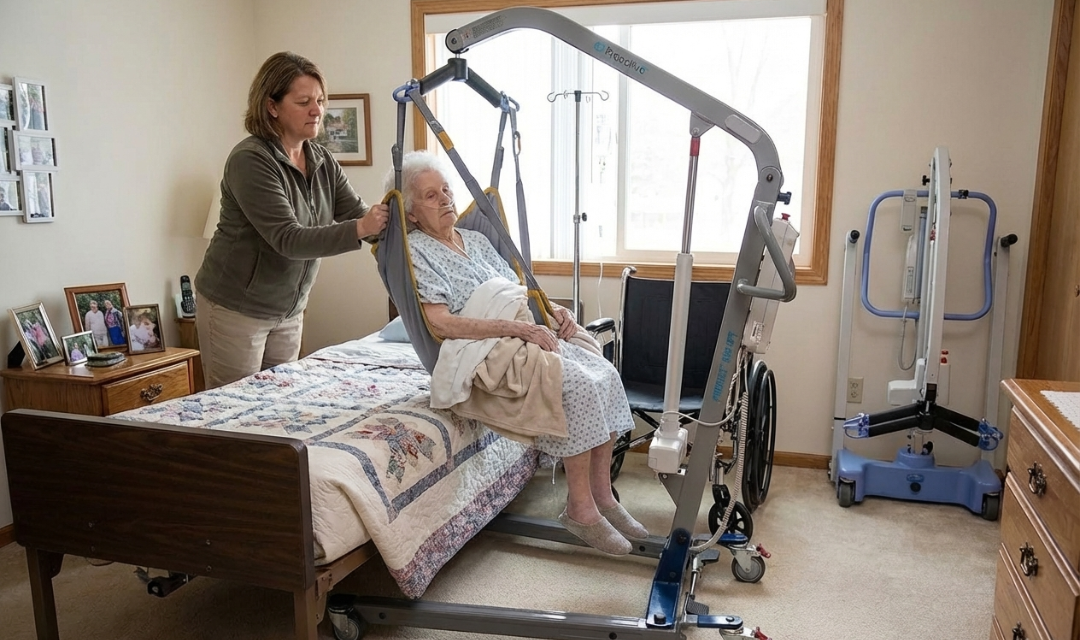
The ride home from the hospital often carries a mix of emotions. Relief settles in first. Familiar surroundings replace medical equipment and constant monitoring. Family members prepare favorite meals, adjust pillows, and quietly promise themselves that recovery will be smoother now that home feels close again.
Yet beneath that relief, many families share an unspoken worry. The hospital provided structure, equipment, and professional assistance around the clock. At home, responsibility shifts gently but completely onto loved ones and caregivers.
The question becomes clear within the first few days. How can recovery remain safe outside a clinical setting?
For many households, patient lift systems become an essential part of the answer. They do more than assist with movement. They help stabilize recovery, prevent setbacks, and reduce the risk of returning to the hospital unnecessarily.
Understanding this connection reveals how thoughtful mobility solutions support healing long after discharge.
The Vulnerable Transition From Hospital to Home
Hospital discharge marks progress, but it also introduces vulnerability. Individuals often return home while still regaining strength, balance, or endurance. Tasks that once felt routine may now require careful coordination.
Transfers from bed to chair, bathroom visits, or repositioning during rest become moments where safety matters most.
In hospitals, trained teams use specialized equipment to perform these movements. At home, families may attempt manual assistance without realizing how physically demanding and risky transfers can be.
Many readmissions occur not because recovery fails medically, but because everyday movement becomes unsafe. A minor fall, muscle strain, or fatigue-related injury can interrupt healing and require additional medical care.
Patient lifts help bridge the gap between hospital-level support and home comfort.
Recovery Depends on Safe Movement
Healing rarely happens in stillness alone. Movement plays an important role in circulation, lung function, muscle strength, and emotional well-being.
However, movement must be safe to be beneficial.
When individuals feel unstable during transfers, they may avoid moving altogether. Caregivers may also limit activity out of fear of causing injury. Reduced movement can slow recovery and increase complications such as pressure injuries or decreased mobility.
Patient lift systems encourage safe participation in daily routines. Transfers become predictable and controlled, allowing individuals to move regularly without fear.
Recovery shifts from cautious avoidance to confident engagement.
Preventing Falls Before They Happen
Falls remain one of the most common reasons for hospital readmission after discharge. Even a small loss of balance can lead to injuries that interrupt recovery progress.
Manual transfers often involve uneven weight distribution, fatigue, or miscommunication between caregiver and individual. These moments introduce risk despite everyone’s best intentions.
Patient lifts remove much of this uncertainty. The lift carries weight securely while caregivers guide movement calmly. Stability replaces strain.
Families frequently describe an immediate sense of relief after introducing a lift system. Transfers that once required intense concentration become smooth, reducing the likelihood of sudden accidents.
Fall prevention begins with eliminating situations that make falls possible.
Supporting Caregivers to Prevent Burnout
Hospital readmissions are not only linked to patient health. Caregiver well-being plays a significant role as well.
When caregivers experience physical strain or exhaustion, consistency in care becomes difficult to maintain. Back injuries, fatigue, or emotional stress can unintentionally disrupt routines essential for recovery.
Patient lifts protect caregivers by removing the need for heavy lifting. Instead of relying on strength alone, caregivers operate equipment designed to handle physical demands safely.
This shift preserves energy for emotional support, communication, and attentive care.
Sustainable caregiving helps ensure recovery continues uninterrupted at home.
Maintaining Consistency in Daily Care
Hospitals operate on structured routines. Medication schedules, repositioning intervals, and mobility assistance occur predictably throughout the day.
After discharge, maintaining similar consistency can feel challenging without appropriate tools.
Patient lifts help recreate that structured support environment. Transfers occur safely at scheduled times without requiring extraordinary effort. Individuals can follow therapy recommendations more easily when movement feels manageable.
Consistency strengthens recovery because the body responds positively to routine.
The home environment begins to mirror the stability once provided by hospital care teams.
Protecting Surgical and Medical Recovery
For individuals recovering from surgery or medical procedures, improper transfers can place unwanted stress on healing areas.
Sudden movements, twisting during manual lifting, or uneven positioning may cause discomfort or complications. Fear of pain can lead individuals to resist movement, slowing rehabilitation progress.
Patient lift systems provide gentle, controlled transitions that protect sensitive areas. Movement becomes smooth rather than abrupt.
Therapists and medical professionals often encourage mechanical transfer assistance precisely because it safeguards healing while supporting gradual mobility.
Recovery continues forward without unnecessary setbacks.
Encouraging Independence Without Risk
Independence during recovery does not mean performing every task alone. True independence often comes from having the right support systems in place.
Patient lifts allow individuals to participate actively in transfers rather than feeling passively moved. Many systems enable users to assist in positioning or control aspects of movement.
This participation restores confidence. Individuals regain a sense of agency while remaining fully supported.
Emotional well-being improves when people feel capable rather than dependent. Confidence, in turn, contributes to successful recovery outcomes.
Reducing Emergency Situations at Home
Unexpected emergencies frequently lead to hospital readmissions. A caregiver unable to safely assist after a minor mobility challenge may call emergency services out of caution.
Patient lifts reduce these urgent scenarios. Safe transfers remain possible even during moments of fatigue or temporary weakness.
Families gain reassurance knowing they can handle daily mobility needs safely within the home environment.
Preparation replaces panic.
Enhancing Communication Between Care Teams and Families
Patient lifts also support collaboration between healthcare providers and families after discharge.
Therapists can recommend mobility routines knowing appropriate equipment exists at home. Nurses and physicians feel confident that transfers will not jeopardize recovery.
The lift becomes part of a coordinated care plan rather than a standalone device.
When families and professionals share confidence in home safety, recovery transitions feel smoother and more successful.
Emotional Stability During Recovery
Hospital readmissions often carry emotional weight. Returning to the hospital can feel discouraging, interrupting the sense of progress achieved after discharge.
Patient lifts contribute to emotional stability by reducing uncertainty at home. Individuals feel secure moving between spaces. Caregivers feel prepared rather than anxious.
The home becomes a place associated with healing rather than risk.
This emotional comfort supports overall wellness just as strongly as physical safety.
Creating a Recovery-Friendly Home Environment
Preventing hospital readmissions involves more than medical treatment. It requires environments that support healing naturally.
Patient lift systems transform homes into recovery-friendly spaces where safety, accessibility, and comfort work together.
Bedrooms encourage restful positioning. Bathrooms support safe personal care. Living areas remain accessible for social connection and mental well-being.
The lift integrates into daily life quietly while providing powerful support behind the scenes.
Healing thrives where safety feels effortless.
Conclusion
Preventing hospital readmissions begins long before an emergency arises. It starts with creating a home environment where recovery can continue safely, consistently, and confidently.
Patient lifts play a vital role in this process by reducing fall risk, protecting caregivers, supporting rehabilitation, and maintaining stability after discharge. They help families transition from hospital care to home life without sacrificing safety or independence.
At KGC, mobility solutions are designed with recovery and long-term well-being in mind. Every patient lift system is customized to fit the unique needs of each household, blending thoughtful design with compassionate support. KGC believes accessibility should empower individuals, strengthen caregiving relationships, and help families move forward with confidence.
If you are preparing for a hospital discharge or looking to create a safer recovery environment at home, connect with the KGC team through the KGC Contact Page to explore personalized accessibility solutions that support healing and independence every step of the way.
