
How Patient Lifts Support Long Term Care at Home
There is a quiet moment many families recognize when care at home shifts from temporary help to something more lasting. It often happens gradually. A chair is moved closer to the bed. A schedule forms around medications and meals. Small adjustments accumulate until daily life begins to revolve around supporting someone’s mobility and comfort.
Long term care rarely arrives as a single decision. Instead, it unfolds through love, commitment, and the shared desire to remain at home where life feels familiar and meaningful. Yet as time passes, families often discover that compassion alone cannot carry the physical demands of caregiving.
Patient lift systems become essential during this transition. They do not replace human care. Rather, they strengthen it, allowing families to continue providing support in ways that protect safety, dignity, and emotional connection for years to come.
When Home Becomes the Center of Care
Home offers something no clinical environment can fully replicate. It holds memories, routines, and personal comforts that help individuals feel grounded. For many people living with limited mobility, remaining at home supports emotional health as much as physical well being.
However, long term care introduces new challenges. Transfers between bed and wheelchair may happen several times each day. Assistance with bathing, toileting, and repositioning becomes routine. What once felt manageable occasionally can become physically exhausting when repeated daily.
Caregivers often adapt creatively at first. They learn techniques, adjust schedules, and rely on teamwork. Over time, though, even experienced caregivers may feel the strain. Fatigue increases. Movements become cautious. Anxiety about injury begins to influence decision making.
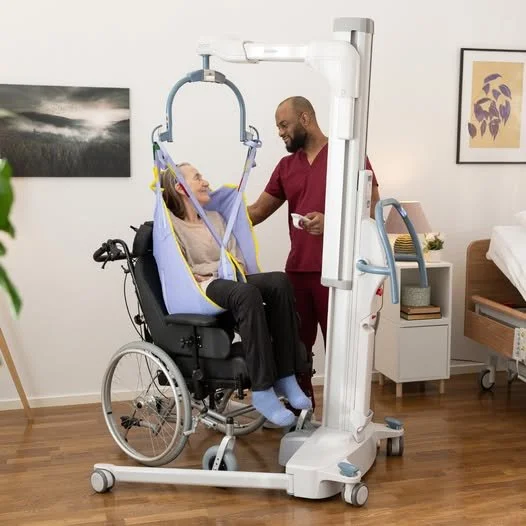
Patient lifts transform these routines into predictable, sustainable processes. Instead of lifting manually, caregivers guide movement while the equipment provides strength and stability. The home environment evolves to support long term care without sacrificing comfort.
Reducing Physical Strain Over the Years
One of the most overlooked aspects of long term care is how cumulative physical effort affects caregivers. A single transfer might feel manageable, but repeated lifting over months or years places significant stress on the body.
Back injuries among caregivers are remarkably common. Many begin with small aches dismissed as temporary discomfort. Eventually, strain can limit the caregiver’s ability to provide assistance at all.
Patient lifts redistribute physical effort away from human bodies and into engineered support systems. The caregiver’s role shifts from lifting to assisting, from strain to supervision. This change protects caregiver health, allowing support to continue consistently over time.
Sustainable caregiving is not about endurance alone. It is about creating systems that make care possible without sacrifice.
Preserving Dignity Through Safe Mobility
Mobility assistance touches deeply personal moments. Transfers involve trust, vulnerability, and the desire to maintain personal dignity. Manual lifting can sometimes feel hurried or uncomfortable, even when performed with the best intentions.
Patient lift systems introduce calm and predictability. Movements are smooth and controlled. Individuals remain supported throughout the transfer, reducing feelings of instability or embarrassment.
The emotional impact is profound. Individuals often regain a sense of participation rather than feeling like passive recipients of care. They can focus on living rather than worrying about how they will move from one place to another.
Dignity becomes embedded in everyday routines.
Encouraging Independence Within Support
Independence does not disappear when mobility changes. Instead, it evolves. Many individuals receiving long term care still wish to participate actively in their own routines, making choices about where they sit, when they move, and how they spend their day.
Patient lifts enable this participation. Transfers become less dependent on physical strength or the availability of multiple helpers. Individuals can move safely with minimal assistance, encouraging autonomy even within a caregiving environment.
This independence strengthens emotional well being. Confidence grows when people feel capable of directing their own lives, even while receiving support.
Creating Consistency in Daily Care
Long term care thrives on routine. Predictable schedules reduce stress and help both caregivers and loved ones feel prepared for the day ahead.
Without proper equipment, transfers may vary depending on fatigue, time constraints, or available assistance. Inconsistent routines can lead to skipped activities or delayed care.
Patient lifts introduce consistency. Transfers follow the same safe process each time, regardless of who is assisting. Visiting caregivers, therapists, and family members can all work within a shared system.
Consistency builds trust. Trust creates stability. Stability supports long term wellness.
Supporting Emotional Well Being for Everyone
Caregiving relationships are deeply emotional. Families often navigate changing roles as loved ones require increasing support. Without proper tools, physical exhaustion can unintentionally create tension or frustration.
Patient lifts reduce the physical stress that often underlies emotional strain. When caregivers feel confident and supported, interactions shift back toward companionship rather than task management.
Conversations become easier. Moments of connection return. Care feels less like constant labor and more like shared living.
Emotional health is an essential component of successful long term care.
Adapting to Changing Needs Over Time
Long term care is dynamic. Mobility levels may improve with therapy or change due to health conditions. Homes must adapt without constant disruption.
Modern lift systems offer flexibility that evolves alongside individual needs. Ceiling mounted systems can cover multiple rooms. Portable lifts provide mobility across changing living arrangements. Adjustable slings accommodate comfort preferences and physical changes.
Instead of repeatedly redesigning care routines, families gain a solution that grows with them.
Adaptability becomes one of the greatest advantages of patient lift systems.
Enhancing Safety in High Risk Areas
Certain areas of the home present greater challenges during long term care. Bathrooms, bedrooms, and transition spaces often involve tight layouts or slippery surfaces.
Patient lifts help navigate these environments safely. Transfers into showers or onto beds occur with controlled movement, reducing fall risks. Caregivers can focus on comfort and hygiene without worrying about physical strain or loss of balance.
Safety in these moments prevents injuries that could otherwise lead to hospitalization or institutional care.
Making Home Care Sustainable
Many families begin caregiving determined to keep loved ones at home indefinitely. Sustainability becomes the key question over time. Can care continue safely months or years into the future?
Patient lifts provide one of the most important answers. By protecting caregivers, supporting mobility, and reducing injury risk, they make long term home care realistic rather than overwhelming.
The goal is not simply to manage today’s needs but to create a system that works tomorrow and beyond.
Strengthening Collaboration With Professional Care Teams
As long term care progresses, families often welcome visiting nurses, therapists, or aides into the home. Patient lift systems improve collaboration by providing standardized transfer methods.
Healthcare professionals can perform their work safely and efficiently. Therapy sessions become more productive. Communication improves because everyone understands how mobility assistance will occur.
This coordinated approach enhances overall care quality and reduces complications.
Restoring the Feeling of Home
Perhaps the most meaningful benefit of patient lifts is subtle. When transfers become easier and safer, the home begins to feel like home again rather than a constant care environment.
Furniture arrangements remain comfortable instead of purely functional. Daily routines regain normalcy. Families spend less time worrying about logistics and more time sharing experiences together.
Long term care becomes integrated into life rather than overshadowing it.
Planning Ahead With Confidence
Installing a patient lift is often a forward looking decision. Families recognize that proactive planning prevents crisis situations later.
Rather than waiting for an injury or emergency, they choose to create a supportive environment early. This preparation reduces stress and allows everyone involved to adjust gradually.
Planning ahead empowers families to remain in control of care decisions.
Conclusion
Long term care at home is an expression of commitment, compassion, and hope. Patient lift systems support that commitment by making caregiving safer, more comfortable, and sustainable over time. They protect caregivers from injury, preserve dignity for individuals receiving care, and create environments where independence can continue to flourish.
At KGC, accessibility solutions are designed around people, not products. Every home has its own rhythm, every family its own goals, and every care journey its own story. KGC works closely with clients to design customized lift systems that support long term comfort, safety, and independence.
If you are planning for long term care or looking to improve your current home setup, KGC is ready to help you explore solutions tailored to your needs.
Visit the KGC Contact Page to begin your consultation and discover how personalized mobility solutions can help your family create a safer, more supportive home for the years ahead.
