
Maintaining Your Patient Lift: How Often Should It Be Checked?
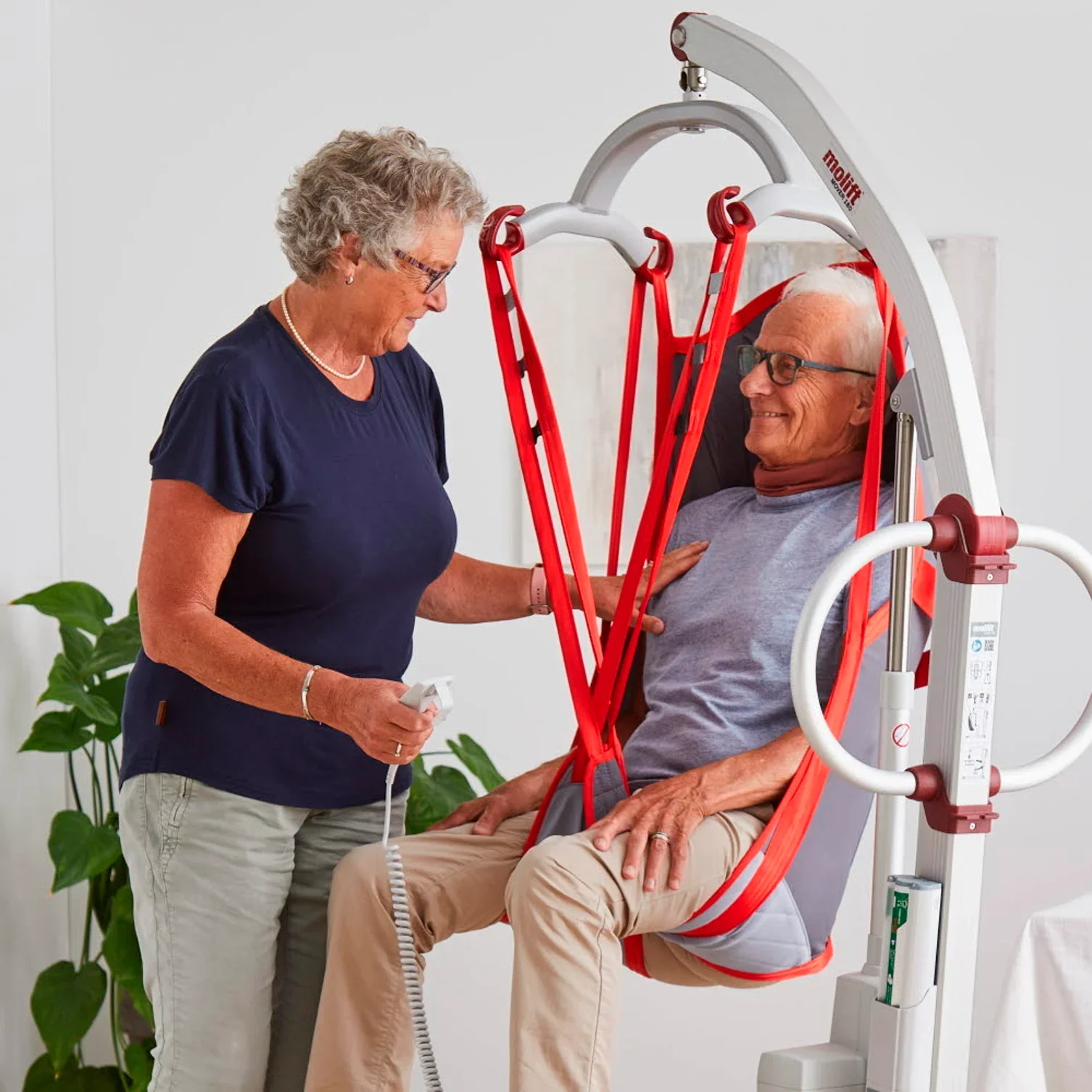
There is a moment many families recognize only after installing a patient lift. The equipment that once felt new and unfamiliar gradually becomes part of everyday life. Transfers grow smoother. Care routines feel calmer. Conversations replace concentration during movement because the lift simply works.
And because it works so reliably, it is easy to forget that behind every effortless transfer is a carefully engineered system that depends on regular care.
Much like a trusted vehicle that carries loved ones safely every day, a patient lift requires attention not because something is wrong, but because prevention preserves confidence. Maintenance is not about anticipating failure. It is about protecting the comfort, safety, and independence the lift already provides.
Understanding how often a patient lift should be checked helps families maintain that sense of security long after installation day.
Why Maintenance Matters Even When Everything Feels Fine
When a lift operates smoothly, it can feel unnecessary to think about inspections. There are no warning lights or obvious signs demanding attention. Transfers happen quietly, predictably, and safely.
Yet patient lifts perform important mechanical work every day. Motors lift weight repeatedly. Tracks guide movement. Slings support the body through constant use. Over time, normal wear occurs even when equipment is used correctly.
Maintenance ensures that small adjustments happen before small issues become larger concerns.
Families often describe maintenance visits as reassuring rather than disruptive. Technicians confirm that everything is functioning as intended, reinforcing the confidence caregivers and individuals already feel during transfers.
Regular checks transform maintenance into peace of mind.
The Difference Between Daily Awareness and Professional Inspection
Caring for a patient lift happens on two levels. One involves simple daily awareness by caregivers. The other involves scheduled professional inspections.
Daily awareness is gentle observation. Caregivers notice whether the lift moves smoothly, whether controls respond normally, and whether slings remain in good condition. These observations do not require technical expertise. They simply involve familiarity with how the system usually feels.
Professional inspections, on the other hand, involve detailed evaluation. Certified technicians examine internal components, test safety mechanisms, and verify that the lift continues to meet manufacturer safety standards.
Together, these two forms of care create a complete maintenance approach.
How Often Should a Patient Lift Be Checked?
Most manufacturers and accessibility professionals recommend a professional inspection at least once per year. Annual servicing allows technicians to evaluate mechanical performance, electrical systems, and structural integrity.
However, frequency may increase depending on usage.
A lift used multiple times every day experiences more operational cycles than one used occasionally. Homes with frequent transfers may benefit from inspections every six months to maintain optimal performance.
Healthcare environments often follow stricter schedules because equipment usage is higher. At home, maintenance schedules remain flexible but should always prioritize safety and reliability.
Families often find comfort in scheduling inspections proactively rather than waiting for concerns to arise.
What Happens During a Maintenance Inspection
A maintenance visit often feels surprisingly calm and straightforward.
Technicians begin by discussing how the lift has been performing. Caregivers may mention subtle changes they have noticed or ask questions about operation. This conversation helps guide the inspection.
The technician then evaluates the lift’s motor function, ensuring smooth lifting and lowering speeds. Safety features are tested carefully, including emergency lowering systems and overload protections.
Track systems are examined for alignment and stability. Mounting points receive special attention because they anchor the entire system securely within the home’s structure.
Slings and attachment points are reviewed for wear, ensuring continued comfort and safety during transfers.
The process resembles a wellness check rather than a repair appointment. The goal is confirmation, not correction.
Listening to the Lift Between Inspections
Many caregivers develop an intuitive understanding of their lift over time. They recognize its normal sounds, movement patterns, and responsiveness.
If anything changes, it is worth paying attention.
A lift that moves more slowly than usual, produces unfamiliar sounds, or responds inconsistently to controls may simply need adjustment or servicing. Addressing these signs early prevents disruption to daily routines.
Listening does not require technical knowledge. Familiarity alone provides valuable insight.
The lift communicates through performance, and caregivers naturally learn its language.
Caring for Slings and Accessories
While motors and tracks often receive the most attention, slings play an equally important role in maintenance.
Because slings directly support individuals during transfers, regular inspection is essential. Fabric should remain intact, stitching secure, and attachment loops undamaged.
Washing slings according to manufacturer guidelines preserves both hygiene and durability. Over time, even well cared for slings may require replacement as part of normal use.
Many families appreciate keeping an additional sling available, ensuring continuity if one requires cleaning or replacement.
Comfort begins with equipment that feels secure and dependable.
The Emotional Impact of Reliable Equipment
Maintenance influences more than mechanical performance. It shapes emotional confidence within the home.
Caregivers relax when they know the lift has been professionally inspected. Individuals receiving assistance feel reassured knowing safety checks are routine.
Trust grows quietly through consistency.
Instead of wondering whether equipment will perform properly, families move through daily routines with certainty. Transfers become moments of connection rather than concentration.
Reliability allows attention to return to living fully at home.
Preventing Caregiver Fatigue Through Maintenance
A well maintained lift operates smoothly, requiring minimal effort from caregivers. When equipment functions optimally, transfers feel effortless.
Neglected maintenance can introduce small inefficiencies. Movement may become slightly uneven. Controls may require extra attention. Over time, these subtle changes increase caregiver fatigue.
Routine servicing preserves ease of use, ensuring the lift continues to reduce physical strain as intended.
Maintenance protects not only equipment but also the sustainability of caregiving itself.
Extending the Lifespan of Your Lift System
Patient lifts represent a meaningful investment in safety and independence. Regular maintenance protects that investment by extending equipment lifespan.
Mechanical systems perform best when adjustments occur before wear becomes significant. Lubrication, calibration, and component checks help prevent premature replacement.
Families often find that well maintained lifts provide reliable service for many years, adapting alongside evolving care needs.
Maintenance becomes a form of long term planning, ensuring the home remains prepared for the future.
Building a Relationship With Your Accessibility Provider
Maintenance visits also strengthen relationships between families and accessibility professionals.
Technicians become familiar with the home environment and the people who use the lift. Over time, they can recommend adjustments, upgrades, or additional solutions that enhance comfort further.
Families feel supported knowing expert guidance remains available long after installation.
Accessibility is not a one time event. It is an ongoing partnership focused on safety and independence.
When to Schedule an Additional Check
Beyond routine inspections, certain situations call for additional servicing.
If the lift experiences unusually heavy use, relocation within the home, or noticeable operational changes, scheduling an extra check provides reassurance.
Even after home renovations or ceiling modifications, verifying structural integrity ensures continued safe operation.
Choosing to inspect proactively reflects care rather than concern. It reinforces the commitment to maintaining a safe environment for everyone involved.
Conclusion
Maintaining a patient lift is ultimately about preserving trust. Regular inspections ensure that every transfer remains smooth, secure, and comfortable. By combining daily awareness with professional servicing, families protect both equipment performance and caregiver well being.
A well maintained lift continues to do what it was designed to do from the beginning. It supports independence, reduces physical strain, and allows home to remain a place of confidence and connection.
At KGC, support does not end after installation. The team remains committed to helping families maintain safe, reliable mobility solutions through ongoing guidance, professional maintenance, and personalized care. Every lift system is treated as part of a larger mission to create homes where accessibility feels natural, dignified, and empowering.
If you would like to schedule maintenance, request an inspection, or learn more about caring for your patient lift system, connect with the KGC team through the KGC Contact Page and continue building a safer, more comfortable home environment.
