
The Most Overlooked Safety Features in Modern Stairlifts
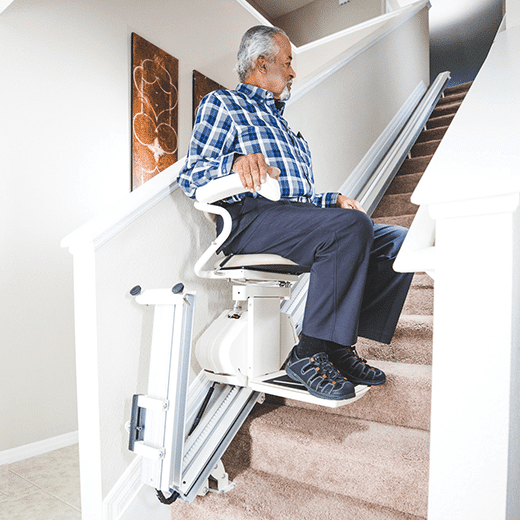
Introduction
The first time I noticed it, it was almost invisible. Someone I love was sitting at the top of the stairs, already seated on their stairlift, hands resting calmly in their lap. They weren’t nervous. They weren’t rushed. But before pressing the button, they paused and glanced down, not at the stairs, but at the chair itself.
They smiled and said, I trust this thing more than I trust my legs some days.
That trust didn’t come from luck. It came from safety features quietly doing their job, features so well designed that they rarely draw attention to themselves. Modern stairlifts are filled with layers of protection that most people never think about until something goes wrong. And when those features are overlooked or misunderstood, the difference between confidence and anxiety becomes very real.
This article explores the most overlooked safety features in modern stairlifts. Not the obvious ones people expect, but the subtle design elements that make daily movement feel predictable, dignified, and safe. These features are not accessories. They are what allow stairlifts to truly support independence rather than simply provide transportation.
Why Safety in Stairlifts Is More Than Just a Seat and a Rail
When people think about stairlift safety, they often imagine the chair staying on the track and not tipping over. While that stability is essential, modern stairlift safety goes much deeper.
Stairlifts operate in one of the most vulnerable areas of the home. Stairs already demand balance, coordination, and confidence. When mobility becomes less reliable, the margin for error shrinks. Safety features exist to widen that margin again.
The most effective safety features are often the least noticeable. They work quietly, consistently, and without requiring effort from the user.
Slow Start and Stop Technology
One of the most overlooked safety features is smooth start and stop motion. Many people assume stairlifts simply move up and down at a steady pace, but how they begin and end that movement matters greatly.
Sudden jolts can cause discomfort, instability, or fear, especially for individuals with balance challenges or joint pain. Modern stairlifts are designed to accelerate and decelerate gently, allowing the body to adjust naturally.
This smooth motion reduces strain on the body and lowers the risk of sudden shifts that could cause anxiety or loss of balance. Over time, this predictability builds deep trust in the lift.
Obstruction Sensors Along the Track
Another safety feature that often goes unnoticed is obstruction detection. Modern stairlifts include sensors that stop the lift automatically if something is in the way.
This could be a dropped object, a pet on the stairs, or an item accidentally left on a step. Instead of continuing forward, the lift stops immediately.
These sensors protect both the user and the household. They prevent damage to the lift and reduce the risk of sudden impact. Most users never trigger them intentionally, but knowing they are there provides reassurance.
Swivel Seat Locking Mechanisms
Many people are aware that stairlift seats swivel at the top of the stairs, but fewer understand how important the locking mechanism is.
A swivel seat that locks securely in place ensures that the user can get on and off the chair facing away from the stairs. This positioning reduces the risk of missteps or falls during transfer.
The lock prevents the seat from moving unexpectedly during entry or exit. It creates a stable platform at the most critical transition point.
This feature is especially important for individuals who experience dizziness, balance issues, or joint stiffness.
Seat Belt Design and Placement
Seat belts are an obvious safety feature, but their design is often overlooked. Modern stairlifts use seat belts that are easy to fasten, comfortable to wear, and positioned to support the body without restriction.
A well designed seat belt provides security without feeling confining. It supports the torso gently and keeps the user centered during movement.
When seat belts are intuitive and comfortable, users are more likely to use them consistently, which significantly increases safety.
Footrest Safety Sensors
The footrest is not just a place to rest the feet. In modern stairlifts, it often includes safety sensors that detect obstructions.
If the footrest encounters something on the stairs, the lift stops immediately. This prevents collisions that could damage the lift or cause sudden jolts.
Footrest sensors are particularly important in homes with pets or shared stairways. They quietly add a layer of protection that many people never realize is there.
Track Design That Maintains Stability
The design of the track itself plays a major role in safety. Modern stairlift tracks are engineered to provide consistent support along the entire staircase.
They are securely mounted, aligned precisely, and designed to handle the forces of movement without flexing or shifting. This stability ensures that the chair remains level and predictable throughout the ride.
A well designed track contributes to the feeling that the stairlift is part of the home rather than something added onto it.
Battery Backup Systems
Power outages happen, often without warning. One of the most reassuring safety features in modern stairlifts is battery backup power.
This system allows the stairlift to continue operating even if the home loses electricity. Users are not left stranded midway on the stairs.
Battery backup ensures that the stairlift remains reliable during storms, outages, or electrical issues. It turns an unpredictable event into a manageable one.
Consistent Speed Control
Modern stairlifts are programmed to maintain a consistent speed throughout the journey. This consistency prevents unexpected changes that could startle the user.
The lift moves at a pace designed for comfort and safety, not speed. This predictable motion allows users to relax and trust the process.
Consistency builds confidence over time.
Armrest Positioning and Support
Armrests may seem like comfort features, but they also play a safety role. Properly positioned armrests provide support during seating and standing.
They help users stabilize themselves when sitting down or getting up, reducing strain on knees and hips.
Armrests that fold up when not in use also reduce obstruction on the staircase, supporting overall household safety.
Clear and Simple Controls
Controls that are confusing or difficult to use can become safety hazards. Modern stairlifts prioritize simplicity.
Buttons are clearly labeled, responsive, and require minimal strength to operate. Controls are placed where users can reach them comfortably without twisting or leaning.
This simplicity reduces user error and supports confident, independent use.
Call and Send Features
Call and send controls allow the stairlift to be moved without someone sitting on it. While this is often viewed as a convenience feature, it also enhances safety.
These controls allow the stairlift to be positioned where it is needed without requiring someone to navigate the stairs. This is especially helpful in shared households.
It also ensures that the lift is always accessible when needed.
Quiet Operation
Noise may not seem like a safety issue, but it plays a role in comfort and confidence. Loud or jerky operation can create anxiety.
Modern stairlifts are designed to operate quietly. This smooth, low noise movement helps users feel calm rather than alert or tense.
A calm experience supports safe use.
Proper Fit for the Staircase
Safety depends heavily on correct fit. Modern stairlifts are customized to the staircase they are installed on.
This ensures proper clearance, alignment, and support. A stairlift that fits the stairs correctly moves smoothly and predictably.
Customization prevents gaps, uneven movement, or awkward positioning that could compromise safety.
Professional Installation as a Safety Feature
Even the best stairlift cannot be safe without proper installation. Professional installation ensures that every safety feature functions as intended.
Installers check alignment, secure mounting points, test sensors, and verify smooth operation. They also train users on proper use.
Installation is where safety features come together.
Routine Maintenance and Safety Checks
Over time, wear can affect any mechanical system. Routine maintenance ensures that safety features remain reliable.
Regular inspections catch issues early and preserve smooth operation. Maintenance supports long term safety rather than reacting to problems after they arise.
Proactive care is part of responsible ownership.
Emotional Safety and Peace of Mind
Perhaps the most overlooked aspect of stairlift safety is emotional security. When users trust their stairlift, they move more confidently.
They stop hesitating at the stairs. They stop planning their day around fear. They regain a sense of normalcy.
That emotional safety is the result of dozens of small design decisions working together quietly.
Real Life Reflections on Overlooked Safety
I once spoke with someone who said they never noticed most of the safety features until they watched a demonstration. They realized how many systems were working together to protect them.
Another person shared that after months of use, they forgot they were using a mobility aid at all. The stairlift simply became part of daily life.
That is the sign of good safety design.
Conclusion
The most overlooked safety features in modern stairlifts are often the ones that matter most. Smooth motion, obstruction sensors, secure swivel locks, battery backup, and thoughtful design all work together to create a safe, predictable experience.
These features do more than prevent accidents. They restore confidence. They allow people to move freely through their homes without fear or hesitation.
At KGC, we believe safety should feel seamless, not intrusive. Our approach to stairlifts focuses on thoughtful design, professional installation, and long term reliability so individuals can move with confidence and dignity every day.
If you are exploring stairlift options and want guidance that prioritizes both safety and comfort, our team is here to help.
You can reach our team through the KGC Contact Page.
