
Indoor vs. Outdoor Vertical Platform Lifts: Key Differences
Introduction
The moment came during a walkthrough of a home that felt deeply lived in. Shoes by the door. Photos on the wall. A familiar hum of daily life. Someone I care about stood at the base of a short staircase that separated the entryway from the rest of the house. They turned to me and asked a question that sounded simple but carried layers of meaning.
Should the lift go inside or outside
It was not just a technical question. It was about comfort. About privacy. About weather. About how the home would feel once accessibility became part of its structure. Choosing between an indoor or outdoor vertical platform lift is rarely about which one works. Both work. The real question is which one fits the life being lived inside and around the home.
This article explores the key differences between indoor and outdoor vertical platform lifts. Not as competing options, but as distinct solutions designed for different environments, needs, and experiences. Understanding these differences helps families and individuals make choices that support safety, independence, and a sense of home.
Understanding the Purpose of a Vertical Platform Lift
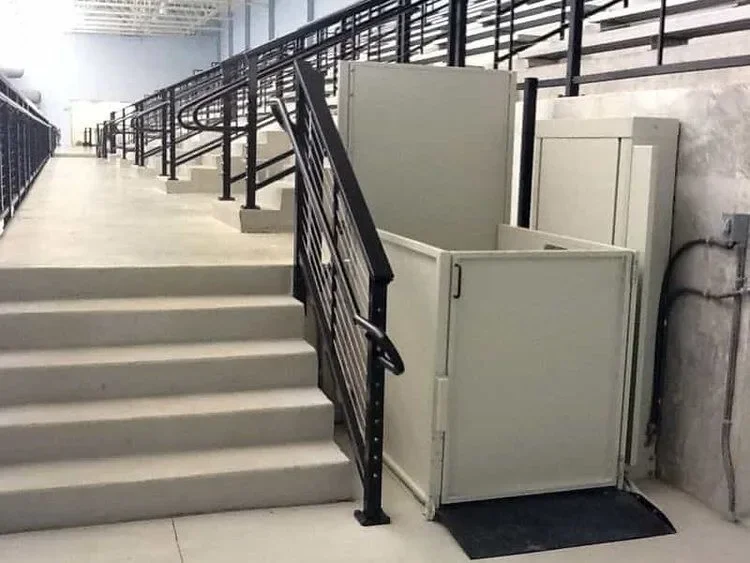
A vertical platform lift is designed to move a person and their mobility device straight up and down between two levels. It solves elevation challenges where ramps are impractical or space is limited. While the core function remains the same, the environment in which the lift operates changes everything.
Indoor and outdoor lifts share foundational engineering, but their design priorities diverge based on exposure, usage patterns, and integration with surrounding spaces.
The Role of Environment in Lift Design
Environment shapes design. Indoor lifts operate in controlled conditions. Outdoor lifts face the unpredictability of weather, temperature, and exposure. These differences influence materials, safety features, maintenance needs, and even how the lift feels during use.
Choosing the right environment for a VPL is about aligning design with daily realities.
Indoor Vertical Platform Lifts: Designed for Controlled Spaces
Indoor vertical platform lifts are installed within the home’s interior. They often connect split levels, raised living areas, or provide access between floors where stairlifts are not suitable.
Because indoor lifts are protected from weather, their components do not require the same level of environmental sealing. This allows for sleeker designs and quieter operation.
Indoor lifts often blend seamlessly into the home’s layout. They can be placed near staircases, along walls, or in discreet corners that preserve open space.
How Indoor VPLs Feel in Daily Life
Using an indoor VPL often feels like a natural extension of the home. Movement is quiet. Temperature is stable. Lighting is consistent.
This predictability creates comfort. Users do not need to worry about rain, wind, or temperature extremes. The experience feels reliable and calm.
For many people, this emotional comfort is just as important as physical access.
Outdoor Vertical Platform Lifts: Built for Exposure
Outdoor vertical platform lifts are designed to withstand environmental challenges. They are commonly used at home entrances, decks, porches, or garage entries where elevation changes occur before reaching the interior.
Outdoor lifts use weather resistant materials, sealed electronics, and corrosion resistant finishes. They may include protective canopies or enclosures to shield users from rain and sun.
Outdoor installation expands access beyond the home’s interior, allowing individuals to enter and exit independently.
The Experience of Using an Outdoor VPL
Outdoor VPLs bring accessibility to the threshold of the home. They allow users to come and go without assistance, restoring freedom and confidence.
The experience can vary based on climate. In mild weather, outdoor lifts feel open and refreshing. In harsher conditions, added protections ensure safety and comfort.
Outdoor lifts become part of the home’s relationship with the outside world.
Space Considerations Indoors Versus Outdoors
Space plays a critical role in deciding between indoor and outdoor lifts. Indoor spaces often have limited room, requiring careful planning to preserve walkways and functionality.
Outdoor areas may offer more flexibility, but terrain, landscaping, and property boundaries must be considered.
Sometimes the decision is simple. The space inside does not allow for installation. Other times, the outdoor footprint would disrupt yard use or curb appeal. Evaluating space holistically helps guide the choice.
Weather Impact and Design Differences
Weather affects outdoor lifts in ways indoor lifts never experience. Rain, snow, ice, heat, and humidity all influence performance and maintenance.
Outdoor lifts include drainage systems, non slip surfaces, and components rated for temperature extremes. Indoor lifts do not need these features, allowing for simpler construction.
Understanding local climate helps determine which environment is more suitable for long term reliability.
Safety Features Tailored to Location
Safety features differ slightly based on installation location. Indoor lifts prioritize smooth motion, quiet operation, and integration with interior spaces.
Outdoor lifts emphasize traction, weather protection, and visibility. Lighting may be more prominent. Platforms may have enhanced grip.
Both types include secure gates, stable platforms, and emergency controls, but their execution reflects environmental demands.
Maintenance Expectations for Indoor and Outdoor Lifts
Indoor lifts generally require less frequent maintenance related to environmental wear. Dust and everyday use are the primary considerations.
Outdoor lifts require more attention to weather related factors. Cleaning, inspection of seals, and monitoring for corrosion are important.
Maintenance planning ensures longevity regardless of location.
Noise Levels and Privacy
Indoor lifts are typically quieter due to controlled conditions and sound dampening from surrounding walls. This supports privacy and minimizes disruption.
Outdoor lifts may produce slightly more audible sound, especially in open spaces. However, modern designs prioritize quiet operation even outdoors.
Noise considerations may influence placement, especially in shared living environments.
Visual Integration and Aesthetics
Aesthetics matter. Indoor lifts must blend with interior design. Finishes, enclosures, and placement affect how the lift feels in the space.
Outdoor lifts must complement exterior architecture. Color, shape, and placement influence curb appeal.
Thoughtful design ensures that accessibility enhances rather than detracts from the home’s character.
Security and Access Control
Outdoor lifts may require additional security considerations. Locks, enclosures, or controlled access prevent unauthorized use.
Indoor lifts benefit from the inherent security of the home environment.
Security planning protects both the equipment and the user.
Permits and Installation Complexity
Outdoor installations often involve additional permitting due to exterior modification and electrical work. Indoor installations may be simpler but still require professional assessment.
Understanding local regulations helps avoid delays and surprises.
Professional guidance streamlines the process.
Choosing Based on Daily Routines
Daily routines often determine the best option. If the primary barrier is entering or exiting the home, an outdoor lift may be ideal. If the challenge is moving between interior levels, an indoor lift makes more sense.
Sometimes, homes benefit from both.
Evaluating how movement happens throughout the day clarifies priorities.
Emotional Comfort and Personal Preference
Some people prefer the privacy and comfort of indoor lifts. Others value the independence of outdoor access.
Personal preference matters. Accessibility solutions should support emotional wellbeing as much as physical needs.
Listening to the user’s comfort level is essential.
Real Life Reflections From Homeowners
I once spoke with a homeowner who initially wanted an indoor lift but realized their biggest barrier was the front porch. Installing an outdoor VPL transformed their daily routine. Another family chose an indoor lift to preserve the exterior look of their home while restoring access inside.
Both decisions were right because they matched the lives being lived.
Planning for the Future
Needs change over time. Choosing a lift that accommodates future mobility changes supports long term independence.
Considering future access points helps avoid additional modifications later.
Planning ahead reduces stress.
Conclusion
Indoor and outdoor vertical platform lifts serve the same purpose but in different environments. Indoor lifts offer quiet, climate controlled movement within the home. Outdoor lifts provide essential access at entry points, connecting the home to the outside world.
The right choice depends on space, climate, daily routines, and personal comfort. Both options can restore independence when thoughtfully selected and professionally installed.
At KGC, we help families evaluate indoor and outdoor vertical platform lift options with clarity and care. Our approach focuses on matching the solution to the home, the environment, and the individual’s lifestyle. If you are deciding between an indoor or outdoor VPL, our team is here to guide you toward a choice that truly fits.
You can reach our team through the KGC Contact Page.
