
The Importance of Manufacturer-Approved Installation for Mobility Equipment
Buying the Right Equipment Is Only the Beginning
When a family decides to add mobility equipment to the home, there is usually a lot to consider. They may spend time comparing stairlifts, patient lifts, ramps, vertical platform lifts, or other accessibility solutions. They may think about the available space, the cost, the design of the equipment, and whether it will meet their loved one's needs.
One part of the decision that can sometimes receive less attention is installation.
It is easy to think of installation as simply getting the equipment into the house and putting it in place. However, mobility equipment is designed with specific installation requirements. How it is mounted, adjusted, connected, and tested can have a direct effect on how safely and reliably it operates.
This is why manufacturer-approved installation is so important.
Using an installer who understands the manufacturer's requirements helps ensure that the equipment is installed according to the way it was designed to work. It also gives homeowners someone knowledgeable to turn to when they have questions about operation, maintenance, or future service.
For equipment that people depend on for everyday mobility, that extra level of care is worth considering.
What Does Manufacturer-Approved Installation Mean?
Manufacturer-approved installation generally means that the equipment is installed by a qualified professional who has the appropriate training, knowledge, or authorization to work with that particular product.
The exact requirements can vary from one manufacturer and product to another.
Some manufacturers provide specialized training for installers. Others have specific installation procedures, technical requirements, or certification programs.
The important point is that the installer understands the equipment rather than treating it like a standard household project.
Mobility equipment can involve mechanical systems, electrical components, structural supports, safety sensors, controls, and moving parts. Each product has its own requirements.
An installer familiar with those requirements is better prepared to handle the equipment correctly.
Why Manufacturer Instructions Matter
Every mobility product is designed and tested according to specific conditions.
The manufacturer knows how the equipment is supposed to be assembled, mounted, adjusted, and operated.
Installation instructions are therefore not simply suggestions.
They provide important information about how the system should be installed and what conditions need to be met.
For example, a ceiling-mounted patient lift may require specific structural support. A stairlift may have requirements concerning rail positioning and clearances. A vertical platform lift may require particular installation conditions for the base and surrounding area.
Following the manufacturer's instructions helps ensure that the finished installation matches the design of the equipment.
Safety Should Always Come First
The biggest reason to take installation seriously is safety.
Mobility equipment is often used by people who already have difficulty walking, standing, balancing, or transferring.
A problem with the equipment can therefore create a much bigger concern than it would with an ordinary household product.
A stairlift needs to travel securely along its rail.
A patient lift needs to support transfers appropriately.
A platform lift needs to move smoothly and provide a stable platform.
A ramp needs to remain secure and provide a practical path for the user.
Manufacturer-approved installation helps ensure that these systems are installed according to the specifications developed for them.
That does not mean equipment will never need maintenance or adjustment. It simply gives the installation a proper foundation.
Mobility Equipment Is Not a One-Size-Fits-All Product
Another reason professional installation matters is that homes are different.
A manufacturer may have a standard product, but the installation environment can vary considerably.
One home may have a narrow staircase while another has a wide staircase with an open landing.
One bedroom may have a ceiling structure that easily accommodates an overhead lift track, while another may require a different installation approach.
An outdoor entrance may have plenty of room for a ramp, while another property may have very limited space.
The installer has to take the equipment and the environment into account at the same time.
Manufacturer-approved professionals are familiar with the product's capabilities and limitations, which helps them determine how it can be appropriately installed in a particular home.
Stairlift Installation Requires Precision
Stairlifts are a good example of why proper installation matters.
A stairlift needs to follow the staircase correctly while maintaining appropriate clearance.
Straight staircases may have a relatively simple configuration, but they still require accurate measurements and secure mounting.
Curved staircases can require considerably more planning because the rail may need to follow several turns or changes in direction.
The position of the seat also matters.
The user needs to be able to approach the stairlift, sit down, travel comfortably, and exit safely at the other end.
An experienced installer understands these details and can make sure the finished system works with the staircase rather than creating unnecessary obstacles.
Patient Lifts Need Proper Structural Support
Patient lifts are another type of equipment where installation should not be treated as a simple do-it-yourself project.
For overhead systems, the track needs to be attached to appropriate structural support.
The location of the track should also make sense for the person's daily transfer needs.
For example, a family may want to transfer someone between a bed and wheelchair or between a bedroom and bathroom.
The track needs to provide a practical route for those movements.
Manufacturer-approved installation helps ensure that the track and lifting system are installed according to the product's requirements.
This can provide important reassurance to both the person being transferred and the caregiver operating the equipment.
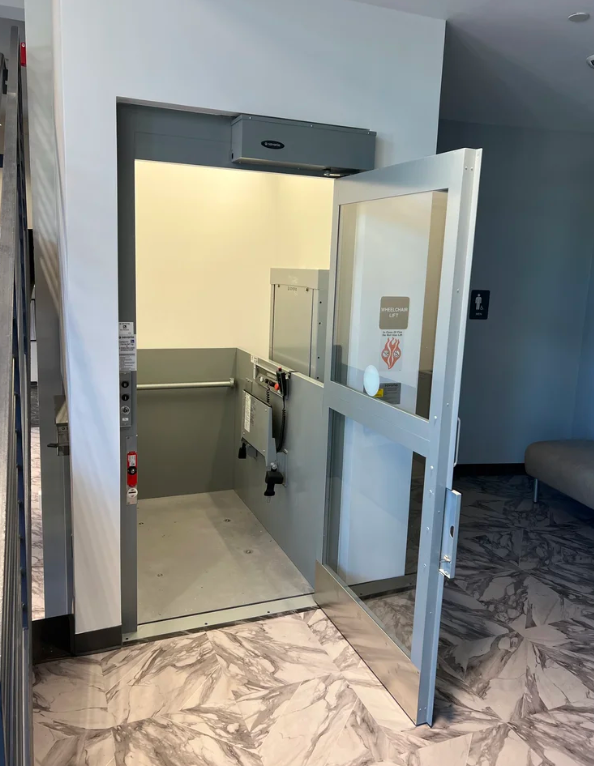
Vertical Platform Lifts Also Require Careful Planning
Vertical platform lifts can be useful for homes where there is a change in elevation that makes stairs difficult or impossible to navigate.
The lift needs to be installed on a suitable surface and positioned so that the user can safely approach and exit the platform.
There are also considerations involving clearance, gates, controls, and the surrounding area.
A professional installer can evaluate the location and make sure the equipment is installed appropriately.
This becomes particularly important for outdoor installations, where weather and surface conditions can also affect the long-term performance of the equipment.
The Installation Can Affect Equipment Performance
Safety is not the only concern.
Installation can also affect how the equipment performs.
A system that has not been properly aligned or secured may not operate as smoothly as it should.
Correct installation allows the equipment to work within the conditions for which it was designed.
This can help reduce unnecessary stress on components and support consistent performance.
For a family that relies on mobility equipment every day, dependable operation is extremely important.
Nobody wants to wonder whether the stairlift will make it to the top or whether a patient lift will operate correctly when a transfer is needed.
Proper installation helps build confidence in the system.
Small Details Can Make a Big Difference
Accessibility installations often involve details that may not be obvious to the homeowner.
The position of a rail can affect how much space remains on a staircase.
The location of a patient lift track can affect whether a caregiver has enough room to maneuver.
The height of a platform lift can affect how easily someone enters or exits.
The placement of a ramp can affect how a wheelchair approaches the doorway.
These details may seem small, but they can have a noticeable impact on everyday use.
A professional installer understands that the goal is not simply to make the equipment fit.
It needs to work comfortably within the home.
Proper Installation Helps Protect the Equipment
Mobility equipment can represent a significant investment.
Families naturally want that investment to last.
Proper installation helps establish the right foundation for long-term use.
When components are correctly installed and adjusted, the system can operate according to the manufacturer's intended specifications.
That does not replace routine maintenance, but it can help prevent problems caused by incorrect installation.
Following the manufacturer's service recommendations and having the equipment professionally inspected when necessary can further support its useful life.
Manufacturer Requirements May Matter for Service and Warranty
Another reason to follow manufacturer-approved installation requirements is that manufacturers may have specific conditions related to warranty coverage, servicing, or authorized repairs.
The exact terms vary by product and manufacturer, so homeowners should always review the documentation that comes with their equipment.
Using an appropriate installer can help avoid questions about whether the equipment was installed according to the manufacturer's requirements.
It also creates a clearer record of how the equipment was installed and who completed the work.
For an expensive accessibility system, keeping good installation and service records is a smart habit.
Professional Installation Can Save Time Later
Trying to save money by using an inexperienced installer may seem appealing at first.
However, if the equipment needs to be corrected later because something was installed incorrectly, the initial savings may disappear quickly.
A problem can mean additional service calls, replacement parts, adjustments, or unnecessary disruption to the household.
Starting with a qualified installer can help reduce the likelihood of these problems.
It also means that questions can be addressed during the installation rather than after the equipment has already been in use.
The Home Needs to Be Evaluated Too
Manufacturer-approved installation is not only about knowing the equipment.
The installer also needs to understand the home.
Before installation begins, they may need to look at the staircase, walls, ceiling, flooring, electrical supply, outdoor surface, or other structural elements depending on the equipment.
This helps determine whether the installation location is suitable.
If there is a concern, it is much better to discover it before installation begins.
In some cases, another location or configuration may provide a better solution.
A Good Installer Will Explain What Is Happening
Homeowners should not feel left in the dark during an accessibility installation.
A professional installer should be able to explain what they are doing and why.
They should also be willing to answer questions about the equipment and explain anything the homeowner needs to know before using it.
This is especially important when the equipment will be operated by a caregiver.
Everyone who will regularly use the system should understand the basic controls and safety procedures.
Clear communication makes the transition much easier.
Testing Is Part of the Installation
Once the equipment has been installed, it should be checked before regular use.
Testing can include running the equipment through its normal operation and checking relevant safety features.
A stairlift may be tested along the full length of the rail.
A patient lift may be checked for lifting, lowering, and track movement.
A platform lift may be tested for platform movement, controls, and safety mechanisms.
The exact testing process depends on the equipment.
The purpose is the same: make sure everything is working correctly before the homeowner begins relying on it.
Homeowners Should Know How to Use the Equipment
Even the best installation cannot make up for a user who has not been shown how the equipment works.
Once installation is complete, the homeowner or caregiver should receive appropriate instruction.
This may include learning how to operate controls, position the user, use safety features, and respond to basic operating situations.
For a new user, the first few rides or transfers may feel unfamiliar.
Having someone demonstrate the equipment and answer questions can make the experience much less intimidating.
Over time, the equipment should become a normal part of the household routine.
Installation Should Consider the Person, Not Just the Product
It is possible to install equipment correctly from a technical perspective while still missing the needs of the person who will use it.
A good installation considers both.
For example, a stairlift may technically fit the staircase, but the user may still need a particular seat position to get on and off comfortably.
A patient lift may work mechanically, but the track route may not be convenient for the caregiver's daily routine.
The best installation considers these practical details.
Accessibility is ultimately about people.
The equipment exists to make everyday activities easier and safer.
Professional Installation Can Reduce Caregiver Stress
Family caregivers often spend a lot of time helping loved ones move around the home.
Something as simple as helping someone up the stairs can become physically demanding when it happens several times a day.
Mobility equipment can reduce some of that burden.
But the equipment needs to be installed in a way that actually supports the caregiver's routine.
An appropriately positioned patient lift, for example, can provide a better transfer route.
A properly installed stairlift can reduce the need for physical assistance on the stairs.
These changes can make caregiving feel more manageable.
Accessibility Should Blend Into the Home
Homeowners sometimes worry that mobility equipment will make their house look different or feel less like home.
That concern is understandable.
Accessibility equipment is a functional addition, but it does not necessarily have to dominate the appearance of the space.
Thoughtful installation can help equipment fit naturally into the existing environment.
A stairlift can be positioned along the staircase while preserving as much usable space as possible.
A ramp can be planned to work with the home's entrance and outdoor layout.
An overhead patient lift can reduce the amount of equipment occupying the floor.
The best solution is one that works well without unnecessarily disrupting the way the home feels.
Installation Is an Important Part of Long-Term Accessibility
A mobility solution is often installed because of a current need, but it can also support a person's ability to remain at home for many years.
As mobility changes, having the right equipment in place can make everyday routines easier.
A stairlift may allow someone to continue using an upstairs bedroom.
A ramp may make it easier to leave and return to the house.
A patient lift may allow caregivers to continue providing assistance at home.
The installation therefore has a long-term purpose.
It is not just about getting through installation day.
It is about creating a solution that the household can depend on.
Maintenance Still Matters After Installation
Even when equipment has been installed by a qualified professional, maintenance should not be overlooked.
Mobility equipment is used repeatedly, sometimes every day.
Over time, components can experience normal wear.
Following the manufacturer's maintenance recommendations can help identify potential problems before they become more serious.
Homeowners should also pay attention to changes in the way their equipment operates.
Unusual sounds, unexpected movement, damaged parts, or other changes should be taken seriously.
When in doubt, contacting a qualified service professional is better than ignoring a concern.
What Homeowners Should Ask Before Installation
It is perfectly reasonable to ask questions before agreeing to an installation.
Homeowners may want to know whether the installer is trained or approved to install the specific equipment.
They can ask what preparation is required and whether any structural changes will be necessary.
It is also useful to ask how the equipment will be tested and whether the user will receive operating instructions after installation.
Questions about maintenance and future service are also worth discussing.
A good accessibility provider should be comfortable having these conversations.
The more informed the homeowner is, the more comfortable they are likely to feel about the project.
Choosing the Right Accessibility Provider
The company you choose can have a major effect on the installation experience.
Look for a provider that understands accessibility equipment and takes the time to evaluate your specific situation.
Experience matters, but so does communication.
You want a company that listens to your concerns, explains your options clearly, and does not try to push you toward equipment that does not fit your needs.
The right provider should understand that accessibility is not just about selling equipment.
It is about helping someone move through their home with greater ease and confidence.
Why KGC Takes Installation Seriously
At KGC, the installation process is an important part of providing a complete accessibility solution.
The focus is not simply on getting equipment installed as quickly as possible. The goal is to make sure the equipment is appropriate for the home, properly fitted, and comfortable for the person who will use it.
Whether the project involves a stairlift, patient lift, ramp, vertical platform lift, or another accessibility solution, the details matter.
Every home has its own layout, and every individual has different mobility needs.
Taking the time to understand those differences helps create a solution that makes sense for everyday life.
Conclusion
Manufacturer-approved installation is an important part of getting the most from mobility equipment. Proper installation supports safe operation, reliable performance, user comfort, and long-term use. It also helps ensure that the equipment is installed according to the requirements established by the manufacturer.
For families, this can provide an important sense of confidence. When someone depends on a stairlift, patient lift, ramp, or platform lift to move safely around their home, they need to know that the equipment has been installed correctly and tested before it becomes part of their daily routine.
Professional installation also provides an opportunity to make sure the equipment works with the home rather than against it. The staircase, room layout, available space, structural support, and daily routines all need to be considered.
KGC understands that every accessibility project is different. The right equipment and the right installation approach depend on the needs of the individual and the home. With thoughtful planning and professional installation, mobility equipment can become a dependable part of everyday life while helping people maintain greater comfort, safety, and independence at home.
