
How Proper Installation Improves the Safety of Stairlifts
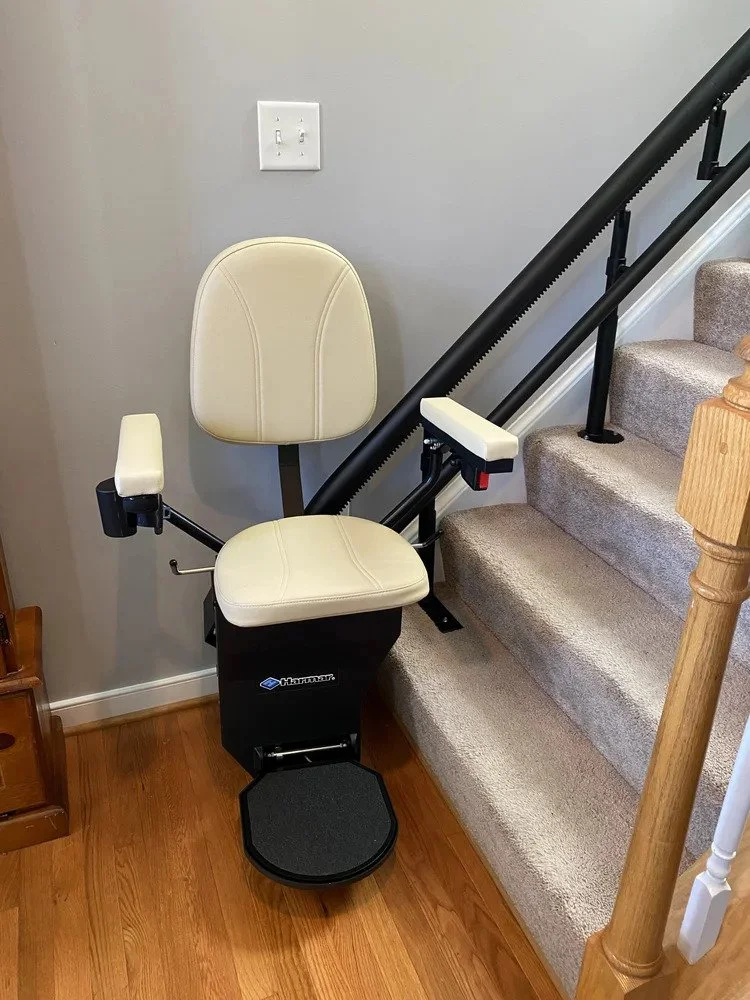
For someone who has started struggling with the stairs, a stairlift can be a life-changing addition to the home. It can make it possible to move between floors without worrying about losing balance, becoming tired halfway up, or depending on someone else for physical assistance.
But buying a stairlift is not the end of the process.
The way the stairlift is installed has a lot to do with how well it works. A system that is properly fitted to the staircase should feel stable, smooth, and comfortable during everyday use. Poor planning or installation, on the other hand, can create problems with clearance, positioning, operation, or comfort.
This is why professional installation matters.
A stairlift is not something that should simply be attached to a staircase and switched on. The installer needs to understand the layout of the home, the shape of the stairs, the needs of the person using the lift, and how the equipment will fit into the family's daily routine.
When all of these things are considered from the beginning, the result is a stairlift that feels like it belongs in the home and, more importantly, provides dependable support when it is needed.
Every Staircase Has Its Own Challenges
One of the first things homeowners should understand is that no two staircases are exactly alike.
Some homes have a simple, straight staircase. Others have a landing, several turns, or a staircase that changes direction. There may also be doors, walls, furniture, or narrow areas around the stairs that need to be considered.
Even a straight staircase can present challenges depending on its width and the space available at the top and bottom.
This is why a stairlift should not be chosen based only on a photograph or a basic measurement.
An installer needs to look at the actual staircase and understand how the equipment will work within that particular space.
A professional assessment can identify potential issues before installation begins and help determine the best location for the rail, seat, charging point, and other components.
That extra planning can make a noticeable difference once the stairlift is being used every day.
The Installation Process Starts With an Assessment
Before the stairlift arrives, a professional installer will typically assess the staircase and surrounding areas.
This is when measurements are taken and the installation requirements are reviewed.
The installer may look at the width of the stairs, the height of the ceiling, the location of doors, and the amount of space available at both ends of the staircase.
They also need to think about how the person will approach the stairlift.
For example, someone with limited balance may need enough room to comfortably sit down before starting the journey upstairs. At the other end, they may need sufficient space to turn and safely move away from the lift.
These details may seem minor, but they become very important when the stairlift is used several times a day.
Proper Rail Installation Is Essential
The rail is what guides the stairlift along the staircase, so its installation needs to be precise.
On a straight staircase, the rail follows a relatively simple path. On a curved staircase, the rail is usually custom-made to follow the exact shape of the stairs.
In either case, the rail needs to be securely installed and correctly aligned.
A properly installed rail allows the lift to travel smoothly and predictably. It also helps ensure that the seat remains in the correct position throughout the journey.
Professional installers have the experience to identify the appropriate mounting locations and make adjustments based on the staircase.
This is particularly important when the stairs have unusual dimensions or limited space.
Getting the Seat Position Right
The stairlift seat is another important part of the installation.
It needs to be positioned so that the user can comfortably sit down, travel, and get off at the other end.
For someone with mobility limitations, getting into and out of a stairlift may be more difficult than the actual ride. The seat needs to be positioned with this in mind.
Depending on the model, features such as a swivel seat can help make getting on and off easier.
The installer should make sure the seat operates correctly and that the user understands how to use it.
Taking a few extra minutes to adjust the setup properly can make the difference between a stairlift that feels awkward and one that becomes a natural part of the user's routine.
Why Clearance Matters
Space around the staircase is another consideration that can easily be overlooked.
The stairlift should provide enough room for the user while still allowing other people in the household to use the stairs when necessary.
Doors and other pathways also need to remain accessible.
A professional installer will look at the entire staircase rather than focusing only on the rail.
They will consider what happens when the lift is parked, where it travels, and how much space remains available.
This is especially important in smaller homes where every inch of space can matter.
Good installation should make the home more accessible without creating a new obstacle.
Top and Bottom Landings Need Attention
The journey itself is only one part of using a stairlift.
The user also needs to get on and off safely.
The top and bottom of the staircase should therefore be considered carefully during installation.
At the bottom, there should be enough room for the user to approach and sit on the stairlift without having to make an awkward turn.
At the top, there should be a practical area for the user to exit and continue into the next room.
In some homes, the stairlift may need to extend farther along the staircase or use a specific configuration to provide a more convenient exit.
These decisions are best made before installation rather than after the equipment is already in place.
Curved Staircases Require More Planning
Curved stairlifts generally require more detailed planning because the rail is designed specifically for the staircase.
The rail may need to follow corners, bends, or multiple levels.
This means accurate measurements are particularly important.
A professional installer will assess the staircase carefully before the rail is manufactured or installed.
The goal is to create a smooth path that follows the staircase while maintaining appropriate clearance.
For homeowners with unusual or complicated staircases, professional guidance can be especially helpful because there may be several possible ways to configure the system.
Straight Staircases Still Need Professional Attention
Straight staircases are generally simpler, but that does not mean installation should be treated casually.
The rail still needs to be securely attached and correctly positioned.
The seat needs to be properly aligned.
The controls, charging system, and safety features need to be checked.
The installer also needs to make sure that the stairlift does not interfere unnecessarily with the rest of the staircase.
A simpler installation may take less time, but it still requires careful attention to detail.
Safety Features Need to Work Properly
Modern stairlifts can include several features designed to make everyday use safer.
Depending on the model, these may include a seat belt, swivel seat, obstruction sensors, braking systems, emergency controls, and battery backup.
Simply having these features is not enough.
They need to be installed and tested correctly.
During installation, the technician should check that the controls respond properly and that the relevant safety features function as expected.
This is one of the benefits of having a professional handle the installation. The homeowner does not have to figure out whether everything is working correctly on their own.
Testing Before the First Ride
A professional installation should include testing before the homeowner begins regular use.
The installer can run the stairlift along the entire rail and check how it starts, stops, and travels.
They can also check the seat, controls, safety belt, sensors, charging system, and other relevant components.
If something does not feel right, adjustments can be made at this stage.
Testing is particularly important because a stairlift is going to become part of someone's everyday routine.
The goal is to make sure the system is working properly before the first regular trip up or down the stairs.
Training Helps Users Feel Comfortable
Even when a stairlift has been installed correctly, it can take a little time for a new user to become comfortable with it.
This is completely normal.
A professional installer can show the user how to operate the controls and explain what to do when getting on and off the lift.
They can also explain basic safety practices and answer questions.
For family caregivers, this information can be just as useful.
Everyone who may operate or assist with the stairlift should understand how it works.
Knowing what to expect can remove much of the uncertainty that comes with using new equipment.
Proper Installation Can Reduce Unnecessary Wear
A stairlift is designed to be used repeatedly.
Depending on the household, it may make numerous trips every day.
When the system is installed correctly, its components can operate as intended.
Proper rail alignment, secure mounting, and correct positioning can all contribute to smooth operation.
This does not eliminate the need for maintenance, but it gives the equipment a good starting point.
A stairlift that is properly installed and maintained is more likely to provide the dependable service homeowners expect from their investment.
Installation Can Also Protect the Home
Homeowners sometimes worry that installing a stairlift will require major changes to their staircase.
In many cases, stairlifts can be installed without extensive remodeling.
The exact requirements depend on the equipment and the home, but professional installers can plan the installation carefully to minimize unnecessary changes.
They can also explain how the rail and other components will be attached before work begins.
Knowing what will happen ahead of time can help homeowners feel more comfortable with the project.
A Stairlift Should Fit Into Your Daily Routine
The best accessibility equipment is equipment that works with the way you already live.
If the stairlift is difficult to approach, uncomfortable to use, or poorly positioned, it may not provide the full benefit the homeowner expected.
Professional installation takes everyday routines into account.
Where does the user normally enter the staircase?
Where do they need to go when they reach the other floor?
Does a caregiver need to stand nearby?
Is there furniture or another obstacle that needs to be considered?
These questions help create an installation that is practical, not just technically correct.
Professional Installation Can Make a Big Difference for Caregivers
Stairlifts are often installed because someone in the household can no longer safely manage the stairs alone.
Without a stairlift, a family member may feel responsible for helping that person move between floors.
This can be physically demanding and stressful, particularly when the caregiver has to provide support repeatedly.
A properly installed stairlift reduces the need for this type of physical assistance.
The user can travel between floors independently when appropriate, while the caregiver can remain nearby without having to physically support their weight on the stairs.
This can make everyday life easier for everyone.
Comfort Is Part of Safety
It is easy to think of safety and comfort as separate concerns, but they are closely connected.
If someone is uncomfortable or nervous while using a stairlift, they may hesitate to use it.
If the seat is positioned correctly and the ride is smooth, the experience can feel much more natural.
Professional installation helps create that experience.
The installer can make sure the equipment is adjusted appropriately and that the user understands how to operate it.
A comfortable user is more likely to feel confident using the stairlift as part of their regular routine.
What Happens After Installation?
Once the stairlift has been installed and tested, the homeowner should know how to operate and care for it.
Regular maintenance will depend on the particular model, but keeping the rail and equipment clean and following the manufacturer's recommendations are good starting points.
The homeowner should also pay attention to changes in performance.
If the stairlift begins making unusual noises, moves differently, or shows signs of damage, it is better to have it checked rather than continuing to use it without addressing the problem.
Professional servicing can help keep the equipment working reliably over time.
Choosing an Experienced Installation Team
When purchasing a stairlift, it is worth looking beyond the equipment itself.
The company installing the system can have a significant impact on the overall experience.
An experienced accessibility provider should be willing to assess the home, explain the available options, answer questions, and make recommendations based on the user's needs.
The installation team should also understand that every household is different.
A good installer does not simply install the same system in every home. They look at the staircase, the user, and the way the equipment will be used.
That personalized approach is what helps turn a stairlift into a practical long-term accessibility solution.
Making the Home Easier to Navigate
The purpose of a stairlift is simple: to make the stairs easier and safer to use.
But the impact can be much greater than that.
When someone can comfortably access both floors of their home again, they may be able to continue using their bedroom, living areas, bathroom, or other spaces without relying on someone else to help them navigate the stairs.
That can provide a meaningful sense of independence.
For families, it can also provide reassurance that their loved one has a safer way to move around the home.
Conclusion
A stairlift can make a significant difference in a home where stairs have become difficult or unsafe to use. However, choosing the equipment is only the beginning. Proper installation ensures that the stairlift is securely fitted, correctly positioned, comfortable to use, and tested before it becomes part of the household's daily routine.
Professional installation also takes the details of the home into account. The shape and width of the staircase, available space, entry and exit areas, surrounding doors, and the user's individual needs all play a role in creating a successful installation.
At KGC, accessibility solutions are approached with the understanding that every home and every person has different needs. From stairlifts and patient lifts to ramps, vertical platform lifts, and home elevators, the goal is to provide solutions that make everyday movement safer, easier, and more comfortable.
If you're considering a stairlift for your home, the KGC Contact Page can help you understand your options and determine what type of solution may work best for your space and mobility needs.
