
How to Choose a Lift System for a Loved One With Limited Mobility
The decision rarely begins with equipment.
It usually begins with a small moment at home. A transfer from bed takes longer than expected. A caregiver notices strain in their shoulders after helping someone stand. A loved one hesitates before moving, worried about losing balance or needing too much assistance.
Nothing dramatic happens. No crisis forces immediate action. Instead, families quietly recognize that everyday movement has become harder than it once was.
At first, people adapt. Furniture gets rearranged. Extra pillows appear. Movements become slower and more careful. Yet eventually many families reach the same realization. Support should not rely entirely on physical strength or improvisation. There must be a safer, more comfortable way.
That realization leads to exploring lift systems.
Choosing the right lift system, however, can feel overwhelming. The goal is not simply to purchase equipment. It is to protect dignity, preserve independence, and make caregiving sustainable for everyone involved.
Understanding how to make that choice begins with understanding the people, not the technology.
Starting With Everyday Life Instead of Equipment
When families begin researching lift systems, they often focus immediately on models and features. Yet the most successful decisions start somewhere else entirely.
They begin with daily routines.
Think about how a typical day unfolds. How does the morning start? Where does the first transfer happen? Which movements feel easiest, and which create hesitation or fatigue?
One household realized their biggest challenge was not standing or walking but moving safely into the bathroom. Another family discovered that fatigue at night made bed transfers difficult even though daytime mobility felt manageable. Each situation required a different solution.
Lift systems work best when chosen around real-life patterns rather than assumptions. Observing how movement happens throughout the home reveals where support will provide the greatest comfort.
The lift becomes an extension of daily living rather than an added complication.
Understanding Mobility Needs Without Labels
Limited mobility looks different for every individual. Some people can stand briefly but need assistance with balance. Others rely fully on support during transfers. Many experience fluctuating strength from day to day.
Instead of defining mobility by limitations, it helps to think in terms of participation. What activities does your loved one want to continue doing comfortably?
Maybe it is sitting at the dining table for meals. Maybe it is accessing a favorite chair near a window. Maybe it is maintaining independence during personal care routines.
The right lift system supports these goals rather than replacing them. It allows individuals to remain active participants in their own daily lives.
Mobility support should feel empowering, never restrictive.
The Emotional Side of Choosing a Lift System
Families often underestimate how emotional this decision can be.
Introducing assistive equipment may initially feel symbolic, as though acknowledging change. Some individuals worry that using a lift means losing independence. Caregivers may feel hesitant, wondering if they should simply try harder to provide manual support.
Yet many families discover the opposite is true. Lift systems reduce stress and restore confidence for everyone involved.
One caregiver described feeling relieved for the first time in months after installing a lift. Instead of worrying about injury, they could focus on conversation and companionship. The loved one receiving support expressed similar relief, no longer feeling responsible for someone else’s physical strain.
Choosing a lift system becomes an act of care for both people.
Exploring Different Types of Lift Systems
Lift systems generally fall into a few broad categories, each suited to different home environments and mobility needs.
Some families prefer ceiling mounted overhead lifts that glide along tracks installed in the home. These systems provide smooth transfers and eliminate the need to maneuver equipment across floors.
Others choose mobile lifts that can be moved between rooms. These offer flexibility when permanent installation is not immediately possible.
Sit to stand lifts support individuals who can participate partially in transfers while receiving assistance for stability.
Rather than thinking of one option as better than another, it helps to imagine each system as a different tool designed for a different purpose. Like choosing between walking shoes and hiking boots, the right fit depends on how the equipment will be used every day.
Considering the Home Environment
The layout of a home plays a significant role in lift selection.
Narrow hallways, furniture placement, flooring surfaces, and room transitions all influence how a lift system will function. What works beautifully in one home may feel cumbersome in another.
Professional assessments often reveal opportunities families had not considered. A ceiling mounted system might connect a bedroom and bathroom seamlessly. A mobile lift might work best in open spaces where flexibility matters.
The goal is not to redesign the home around equipment but to integrate the equipment into existing living patterns.
Accessibility should feel natural within familiar surroundings.
Comfort and Dignity During Transfers
Comfort extends beyond physical safety. It includes emotional ease during movement.
Manual transfers sometimes require awkward positioning or significant physical effort. Individuals may feel unstable or self-conscious even when caregivers are careful.
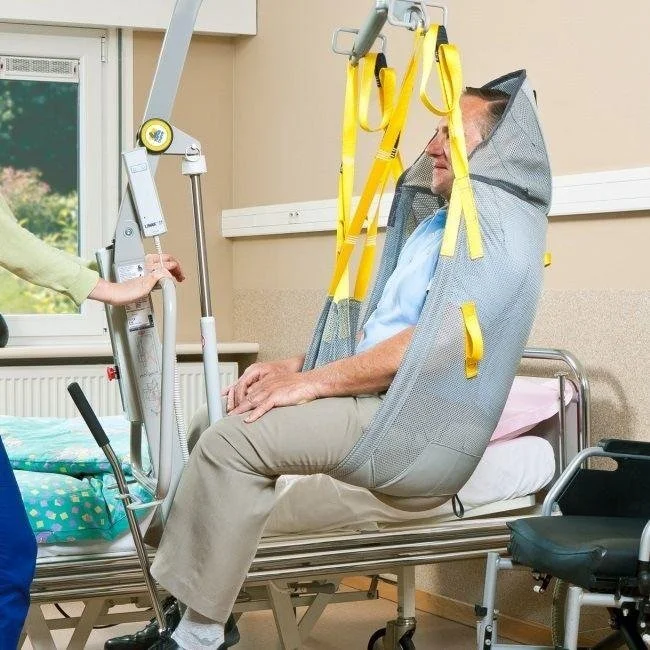
Lift systems introduce smooth, controlled motion. Properly fitted slings support the body evenly, allowing individuals to relax during transfers rather than brace themselves.
The experience shifts from being lifted to being supported.
Dignity grows when movement feels predictable and respectful. Care routines become calmer, quieter, and more collaborative.
Supporting the Caregiver’s Well Being
Caregivers often focus entirely on the needs of their loved one while overlooking their own physical health.
Repeated lifting places strain on the back, shoulders, and joints. Even strong caregivers can develop injuries over time. Fatigue accumulates gradually, sometimes unnoticed until discomfort becomes chronic.
Choosing a lift system protects caregivers as much as it assists the person receiving care.
When physical strain decreases, emotional patience increases. Caregivers maintain energy for meaningful interaction instead of recovery from physical effort.
Sustainable caregiving requires tools that support everyone involved.
Planning for Future Needs
Mobility needs can change over time. A lift system chosen only for present circumstances may require replacement sooner than expected.
Forward thinking families consider potential future scenarios. Will transfers become more frequent? Could mobility fluctuate? Might additional rooms need accessibility later?
Selecting adaptable equipment allows the home to evolve without repeated disruption.
Planning ahead does not mean expecting decline. It simply ensures that support remains consistent regardless of change.
Confidence grows when families know their home is prepared.
Learning and Confidence After Installation
Many people worry that operating a lift system will feel complicated. In reality, modern lifts are designed for intuitive use.
Professional installation teams typically provide training, allowing caregivers and individuals to practice transfers safely. Within days, most families describe the system as surprisingly simple.
Confidence builds quickly. What once felt unfamiliar becomes routine.
Soon, the lift fades into the background of daily life. It becomes another trusted part of the home, like a well placed handrail or comfortable chair.
Choosing a Provider Who Listens
Perhaps the most important part of choosing a lift system is selecting a provider who prioritizes listening.
Every family’s situation carries unique emotional, physical, and environmental considerations. A thoughtful provider takes time to understand routines, concerns, and personal preferences before recommending solutions.
The best installations feel collaborative rather than transactional.
Families should feel heard, respected, and supported throughout the process. Accessibility solutions succeed when they reflect real lives rather than standardized assumptions.
Conclusion
Choosing a lift system for a loved one with limited mobility is not simply a technical decision. It is a commitment to comfort, safety, dignity, and shared independence.
The right lift system reduces physical strain, restores confidence, and allows families to focus on living together rather than managing risk. Movement becomes smoother, caregiving becomes sustainable, and home remains a place of connection and belonging.
At KGC, mobility solutions are designed around people first. Every lift system is customized to fit individual needs, home layouts, and personal goals, ensuring accessibility blends seamlessly with style and everyday living. KGC’s supportive approach focuses on empowering families while preserving independence and comfort at every stage.
If you are ready to explore lift solutions tailored to your home and your loved one’s needs, connect with the KGC team through the KGC Contact Page and take the first step toward safer, more confident mobility at home.
