
Ramp Safety Tips for Seniors and Caregivers
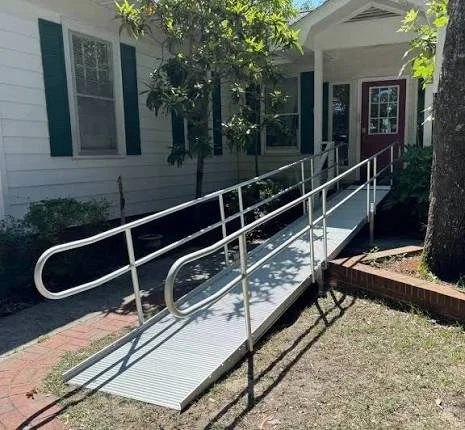
A Safe Ramp Is About More Than the Ramp Itself
A wheelchair ramp can make an extraordinary difference in everyday life. It transforms entrances that once felt challenging into accessible pathways that support independence, confidence, and freedom of movement. For many families, installing a ramp is one of the first and most meaningful steps toward creating a home that is safer and easier to navigate.
However, even the highest-quality ramp cannot provide its full benefits without safe everyday habits. Like any accessibility feature, a ramp works best when it is properly maintained, used correctly, and designed to meet the needs of the people who rely on it.
Caregivers understand this well. A simple trip outside for fresh air, a medical appointment, or a visit with family often begins with using the home's ramp. Knowing that the path is stable, clean, and dependable helps everyone feel more comfortable. Likewise, individuals using wheelchairs, walkers, scooters, or canes gain greater confidence when they know their accessibility equipment is functioning exactly as it should.
Creating a safer environment does not usually require complicated changes. Often, it comes from paying attention to small details that together make everyday movement easier and more predictable.
Choose a Ramp That Fits the User's Needs
Safety begins long before anyone uses the ramp.
One of the most important factors is choosing a ramp that matches both the property and the individual's mobility requirements.
Every person moves differently. Some use manual wheelchairs, while others rely on powered mobility devices. Some walk with a cane or walker, while others receive assistance from a caregiver.
A ramp designed for one situation may not be ideal for another.
Working with accessibility professionals helps ensure that the ramp provides the proper slope, width, and support for the people who will use it every day.
When the ramp is designed around the user instead of asking the user to adapt, movement becomes safer and far more comfortable.
Keep the Ramp Clean Throughout the Year
Outdoor ramps are exposed to changing weather and seasonal conditions.
Rain, snow, fallen leaves, dirt, pollen, and debris can all affect traction if they are allowed to accumulate.
Making ramp inspections part of a regular routine helps reduce unnecessary hazards.
Sweeping away leaves, removing standing water, and clearing snow promptly allow users to travel more confidently.
If the ramp includes textured walking surfaces, keeping those surfaces clean helps maintain the grip they were designed to provide.
A clean ramp is often one of the simplest and most effective ways to improve safety.
Pay Attention to Weather Conditions
Weather can change quickly, and accessibility routines should change with it.
After heavy rain, take a moment to check that the walking surface remains clear and free from puddles.
During colder months, inspect the ramp for ice or frost before using it.
In warmer climates, extreme heat may cause certain ramp surfaces to become warmer than expected.
Being aware of changing weather conditions allows both users and caregivers to make small adjustments that improve safety throughout the year.
A few extra moments of preparation can help prevent accidents and create greater peace of mind.
Use Handrails Whenever They Are Available
Handrails provide valuable support for many individuals using accessibility ramps.
Someone walking with limited balance may appreciate the extra stability that handrails provide.
Caregivers assisting a loved one often find that handrails offer additional confidence while walking alongside the individual.
Even wheelchair users may benefit indirectly, as caregivers can use handrails to maintain better balance while providing assistance.
Whenever handrails are available, making them part of the normal routine helps reinforce safe habits over time.
Move at a Comfortable Pace
There is no benefit to rushing when using a wheelchair ramp.
Whether traveling independently or assisting someone else, moving at a steady, controlled pace allows everyone to maintain better balance and awareness.
Caregivers should avoid pushing wheelchairs too quickly, especially when traveling downhill.
Likewise, wheelchair users operating powered mobility devices should maintain speeds that allow for comfortable stopping and turning if necessary.
A calm, consistent pace helps reduce sudden movements while creating a more comfortable experience for everyone involved.
Check the Ramp Regularly for Signs of Wear
Even durable accessibility ramps benefit from routine inspections.
Over time, everyday use and exposure to the elements can affect walking surfaces, fasteners, handrails, and structural components.
Homeowners should periodically look for loose hardware, damaged boards, worn traction surfaces, or any changes that could affect safe operation.
Portable ramps should also be inspected before each use to ensure hinges, folding mechanisms, and locking components continue functioning properly.
Addressing small maintenance concerns early often prevents larger repairs later.
More importantly, it helps ensure that the ramp remains dependable every time someone uses it.
Keep Entryways and Landings Clear
The ramp itself is only part of the accessibility pathway.
The spaces at the top and bottom of the ramp are equally important.
Boxes, flower pots, outdoor furniture, garden hoses, or seasonal decorations can unintentionally create obstacles that interfere with safe movement.
Maintaining clear landings gives wheelchair users room to maneuver comfortably while allowing caregivers to assist without unnecessary restrictions.
A clear path helps create smoother transitions between the ramp and the home.
Wear Appropriate Footwear
Although wheelchair users may not always rely on footwear for mobility, many individuals walking on ramps do.
Supportive shoes with good traction help reduce the likelihood of slips, especially during wet weather.
Caregivers who assist with pushing wheelchairs or providing physical support should also wear footwear that offers stable grip.
Choosing shoes designed for safe walking can improve confidence while navigating ramps in various weather conditions.
Communicate During Assisted Mobility
Good communication is one of the most valuable safety tools available to caregivers.
Before beginning movement, it helps to explain what will happen next.
Simple conversations about turning, stopping, or changing direction allow everyone to move together more comfortably.
If a wheelchair user feels uncertain or uncomfortable, caregivers should pause and discuss any concerns before continuing.
These moments of communication strengthen trust while making accessibility routines feel less stressful.
Safety is often built through teamwork rather than speed.
Practice Using New Equipment
Whenever a new ramp is installed, both users and caregivers benefit from taking time to become familiar with it.
Learning how the ramp feels, understanding its slope, and practicing entering and exiting the home under relaxed conditions can increase confidence.
Rather than waiting until an important appointment or busy day, practice sessions allow everyone to develop comfortable routines without feeling rushed.
This gradual familiarity often makes everyday accessibility feel much more natural.
Know When Professional Maintenance Is Needed
While homeowners can perform basic inspections, certain concerns require professional attention.
If handrails become loose, surfaces begin shifting, or structural components appear damaged, scheduling an inspection helps protect everyone who relies on the ramp.
Accessibility equipment is designed to provide dependable service for many years when properly maintained.
Professional evaluations help identify issues before they become safety hazards while ensuring the ramp continues meeting accessibility needs.
Creating a Safer Home Through Everyday Habits
Ramp safety is not based on a single feature.
It comes from combining thoughtful design, regular maintenance, careful observation, and consistent everyday habits.
Each small action contributes to creating an environment where movement feels easier and more secure.
For caregivers, these habits reduce stress and physical strain.
For individuals with mobility challenges, they encourage greater independence and confidence.
Together, they create a home that supports accessibility in the way it was always intended.
Conclusion
A wheelchair ramp provides much more than access between different levels. It creates opportunities for greater independence, confidence, and peace of mind. By keeping ramps clean, performing routine inspections, using safe mobility practices, and maintaining clear communication between caregivers and users, families can help ensure that their accessibility solution remains safe and dependable every day.
At KGC, accessibility is about creating environments where people can move safely and comfortably with confidence. Every ramp solution is tailored to the unique needs of the individual and the property, combining thoughtful design with reliable installation and ongoing support. KGC is committed to helping families build safer homes that support independence for years to come.
If you're ready to improve accessibility with a professionally designed wheelchair ramp, visit the KGC Contact Page to connect with a KGC specialist and find the right solution for your home.
