
Modular Ramp Systems: Pros and Cons
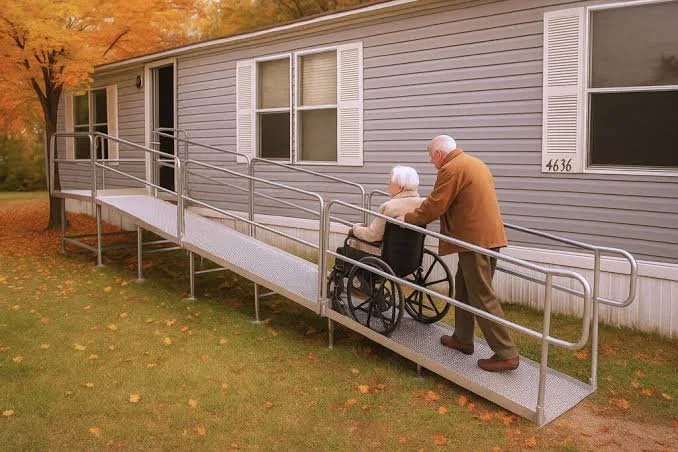
A Flexible Approach to Home Accessibility
When people begin exploring accessibility solutions, they often picture a large permanent ramp attached to the front of a home. While traditional ramps remain an excellent option for many properties, they are no longer the only choice. Advances in accessibility design have introduced modular ramp systems that provide flexibility, convenience, and reliable performance without requiring extensive construction.
For many homeowners, the idea of improving accessibility can feel overwhelming at first. Questions quickly arise about installation, appearance, cost, and whether the solution will continue meeting future needs. Some families are planning for long-term accessibility, while others need a ramp during recovery from an illness or injury. Every situation is different, which is why modular ramps have become increasingly popular.
Unlike ramps built entirely on-site, modular systems are made from prefabricated sections that fit together to create a customized accessibility solution. This approach allows installers to design a ramp that suits the property's layout while providing the flexibility to modify or relocate the system if circumstances change.
Like any accessibility product, modular ramps offer both advantages and considerations. Understanding both sides helps homeowners choose a solution that supports safety, independence, and long-term confidence.
What Is a Modular Ramp System?
A modular ramp system is an accessibility ramp built from individual sections that are assembled to fit the specific needs of a property.
Instead of constructing every component from raw materials on-site, installers use prefabricated ramp sections, platforms, handrails, and connectors to create a customized pathway.
Although the components are standardized, the overall design is highly adaptable.
The ramp can be configured to accommodate different elevations, property layouts, entrances, and available space.
This combination of flexibility and customization has made modular systems a preferred accessibility solution for many residential and commercial applications.
The Advantage of Faster Installation
One of the biggest benefits of modular ramps is the speed of installation.
Because many components are manufactured before arriving at the property, the installation process is often significantly faster than building a traditional ramp from scratch.
This can be especially valuable for families who need accessibility improvements quickly.
Someone returning home after surgery or rehabilitation may require safe access immediately. Waiting several weeks for extensive construction may not be practical.
A modular system allows accessibility improvements to be completed more efficiently while still providing a durable and dependable solution.
Flexibility for Changing Needs
Life rarely remains exactly the same.
Mobility needs may change over time, families may relocate, or accessibility requirements may evolve as circumstances change.
One of the greatest strengths of modular ramps is their adaptability.
Because they consist of individual components, many modular systems can be expanded, reconfigured, or relocated if necessary.
For example, a homeowner who later adds a deck or renovates an entrance may be able to adjust the ramp rather than replace it entirely.
This flexibility provides peace of mind for families planning ahead.
Minimal Disruption During Installation
Large construction projects can temporarily disrupt everyday routines.
Traditional ramp construction may involve excavation, concrete work, or extended building schedules depending on the property's design.
Modular ramps often require less disruption because many of the components are assembled rather than built entirely on-site.
Families can usually continue using their property with fewer interruptions during installation.
This streamlined process is especially appreciated when accessibility improvements are needed without significantly affecting daily life.
Reliable Safety Features
Safety remains one of the most important considerations for any accessibility solution.
Modular ramps are designed to provide stable walking surfaces, dependable structural support, and secure handrails that promote confident use.
Many systems include textured surfaces that improve traction during rain and changing weather conditions.
The modular design does not compromise safety.
When professionally installed, these ramps provide reliable accessibility comparable to many traditional ramp systems.
Routine inspections and maintenance help ensure that the ramp continues performing safely throughout its lifespan.
A Wide Range of Applications
One reason modular ramps have become so popular is their versatility.
They can be installed at front entrances, back doors, garages, patios, porches, and commercial buildings.
Their adaptable design allows installers to work around landscaping, sidewalks, parking areas, and other site features without requiring extensive structural modifications.
Whether the accessibility challenge involves one step or several feet of elevation, modular systems can often be configured to create a practical solution.
This flexibility allows more properties to become accessible without major redesign.
Appearance May Vary by Material
Like all accessibility products, modular ramps come in different materials and finishes.
Aluminum systems are especially common because they resist corrosion and require relatively little maintenance.
Some homeowners appreciate the clean, modern appearance of aluminum, while others prefer the warmth of wood that blends more naturally with traditional architecture.
Although modular ramps are designed primarily for performance, thoughtful planning can help ensure they complement the overall appearance of the home.
Accessibility should support both function and visual harmony whenever possible.
Space Requirements Should Be Considered
While modular ramps offer considerable flexibility, they still require adequate space to achieve a comfortable and safe slope.
Longer elevation changes naturally require longer ramp systems.
In some cases, switchbacks or turning platforms may be incorporated to fit the ramp within the available property.
Professional site evaluations help determine whether a modular configuration can be accommodated without interfering with driveways, landscaping, or pedestrian pathways.
Understanding available space is an important part of successful accessibility planning.
Maintenance Expectations
One of the reasons many homeowners choose modular aluminum ramps is their relatively low maintenance requirements.
Unlike untreated wood, aluminum does not rot, warp, or require regular painting.
Routine cleaning and periodic inspections are generally sufficient to keep the system performing well.
However, like any accessibility equipment, modular ramps should still be inspected regularly.
Fasteners, handrails, walking surfaces, and support components should remain secure and in good condition.
Addressing minor maintenance concerns promptly helps maximize both safety and longevity.
Potential Limitations to Consider
Although modular ramps provide many advantages, they may not be the ideal solution for every property.
Very complex architectural layouts or unusually confined spaces may require customized accessibility designs.
Some homeowners also prefer permanent ramps constructed with materials that precisely match the home's exterior finishes.
Additionally, while modular systems are highly adaptable, they still require professional planning to ensure proper slope, stability, and compliance with accessibility best practices.
Understanding these considerations helps families choose the solution that best aligns with their priorities.
Comparing Long-Term Value
Accessibility improvements should always be viewed as long-term investments.
Modular ramps provide value not only through improved mobility but also through their flexibility and potential adaptability over time.
For families whose needs may change, the ability to modify or relocate a modular system can be a significant advantage.
Others may appreciate the reduced maintenance and faster installation compared to some traditional alternatives.
Evaluating long-term goals alongside immediate accessibility needs helps determine whether a modular ramp offers the greatest overall benefit.
Professional Guidance Makes the Decision Easier
Choosing between modular and traditional ramps involves more than comparing products.
Accessibility professionals evaluate the property's layout, mobility requirements, anticipated future needs, and available installation space before recommending the most appropriate solution.
Their expertise helps ensure that the selected ramp provides safe, comfortable, and dependable access while fitting naturally into the property's design.
Rather than focusing solely on today's needs, professional planning helps create accessibility solutions that continue serving families well into the future.
Conclusion
Modular ramp systems offer a flexible, reliable, and efficient accessibility solution for many homes and commercial properties. Their faster installation, adaptable design, low-maintenance materials, and ability to be expanded or reconfigured make them an attractive option for families planning for both current and future mobility needs. While they may not be the perfect fit for every property, professional planning helps determine whether a modular ramp is the right choice for your unique situation.
At KGC, every accessibility solution is designed around the individual, the property, and the goals of the people who will use it every day. Whether you're considering a modular ramp, a permanent ramp, or another mobility solution, KGC provides personalized guidance and expert installation to help create a safer, more accessible environment that supports confidence and independence.
If you're ready to explore modular ramp systems or other accessibility options, visit the KGC Contact Page to connect with a KGC specialist and discover the solution that's right for your home or business.
