
Preventing Injuries With Proper Lift Systems
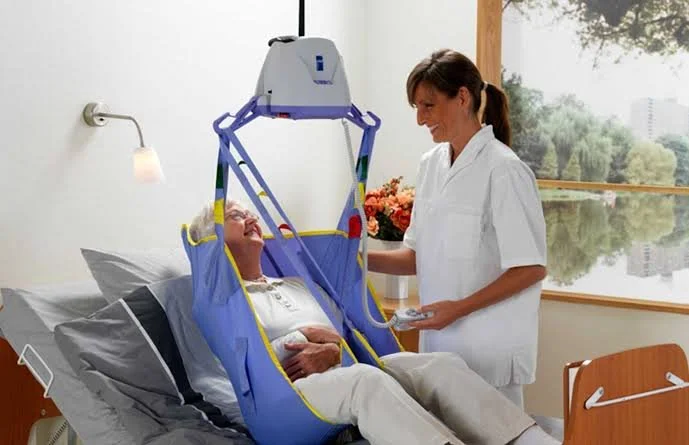
Safer Transfers Begin With the Right Equipment
For families caring for a loved one with limited mobility, every transfer is an opportunity to provide comfort, reassurance, and support. Whether helping someone move from a bed to a wheelchair, assisting them into a favorite recliner, or guiding them safely into the bathroom, these everyday moments require trust and careful coordination. While caregivers often focus on making the transfer successful, they may not realize how much physical stress these repeated movements place on both themselves and the individual receiving care.
Manual lifting can quickly become one of the most physically demanding parts of caregiving. Even when performed with the best intentions and proper body mechanics, repeatedly lifting or supporting another person's weight increases the likelihood of muscle strain, joint pain, and accidental falls. A single awkward movement can result in injuries that affect both the caregiver and the person they are trying to help.
Patient lift systems provide a safer alternative. Rather than relying primarily on physical strength, these systems use specially designed lifting equipment to support controlled, secure transfers. The result is a safer experience that helps protect everyone's health while allowing individuals to maintain their dignity and independence.
Choosing the right lift system is not simply about adding equipment to the home. It is about creating an environment where everyday movement feels safer, more comfortable, and less physically demanding.
Understanding the Risks of Manual Transfers
Many injuries occur during routine transfers because they involve several movements happening at once.
A caregiver may need to lift, support, pivot, and lower another person while maintaining balance and protecting both individuals from falling.
If either person loses stability, even briefly, the transfer can quickly become unsafe.
Repeated manual lifting also places significant stress on the back, shoulders, knees, and wrists.
Over time, these physical demands can contribute to chronic pain or injuries that make caregiving increasingly difficult.
Using a patient lift system helps remove much of this physical burden while creating a more controlled transfer process.
How Patient Lift Systems Improve Safety
Patient lift systems are designed to support the individual's weight throughout the transfer.
Instead of depending on the caregiver's strength, the lift raises, moves, and lowers the person using controlled mechanical assistance.
This steady movement reduces sudden shifts that can occur during manual lifting.
The caregiver is able to focus on positioning, communication, and comfort rather than supporting the individual's full weight.
This approach creates a calmer transfer while significantly reducing the likelihood of injuries.
Protecting Caregivers From Back Injuries
Back injuries are one of the most common concerns among family caregivers.
Repeated bending, twisting, and lifting place considerable pressure on the spine and surrounding muscles.
Even caregivers who use proper lifting techniques may experience discomfort after performing several transfers each day.
Patient lift systems greatly reduce these repetitive physical demands.
Rather than lifting with their back and arms, caregivers operate the lift while maintaining healthier body positioning.
Reducing strain today can help prevent more serious injuries in the future.
Reducing Shoulder and Joint Strain
The physical effort involved in caregiving extends beyond the back.
Supporting body weight often places stress on the shoulders, elbows, wrists, hips, and knees.
These joints are used repeatedly during transfers, making them vulnerable to overuse injuries.
With a patient lift, much of the lifting force is transferred to the equipment.
Caregivers perform fewer awkward movements while maintaining better posture throughout the transfer.
This helps protect multiple areas of the body while making everyday caregiving more comfortable.
Helping Prevent Falls
Falls can occur in a matter of seconds, especially when someone has difficulty standing, balancing, or repositioning themselves.
Manual transfers may become particularly challenging if the individual becomes tired or unexpectedly shifts their weight.
Patient lift systems improve stability throughout the entire process.
The lift securely supports the individual while allowing caregivers to guide movement in a controlled manner.
This reduces the chance of slips, sudden loss of balance, or uncontrolled movements that could lead to injury.
Greater stability creates greater confidence for everyone involved.
Supporting Comfortable Transfers
Safety and comfort often go hand in hand.
When individuals feel supported during transfers, they are generally more relaxed and cooperative throughout the process.
Patient lift systems move slowly and predictably, helping reduce anxiety associated with being lifted manually.
Properly fitted slings distribute body weight evenly, minimizing pressure points while providing secure support.
This smoother experience encourages trust and makes daily transfers feel less stressful.
Comfort contributes to both physical safety and emotional well-being.
Choosing the Right Sling Matters
A patient lift is only as effective as the sling used with it.
Different slings are designed for different transfer needs, body types, and levels of mobility.
Some provide full-body support, while others allow greater participation from individuals who retain partial mobility.
Using the appropriate sling improves positioning and stability while reducing unnecessary movement during transfers.
Professional assessments help ensure that each individual receives the sling best suited to their physical needs and daily routine.
Proper equipment selection is an essential part of injury prevention.
The Importance of Professional Installation
A properly installed lift system performs more reliably and safely.
Ceiling-mounted lifts require secure structural support and carefully aligned track systems.
Portable floor lifts should be assembled, adjusted, and tested according to manufacturer recommendations.
Professional installation helps verify that every component functions correctly before the lift is used.
It also provides families with confidence that the equipment is ready for everyday operation.
Quality installation lays the foundation for long-term safety.
Training Helps Prevent Common Mistakes
Even the most advanced patient lift cannot provide its full benefits without proper training.
Caregivers should understand how to position the sling, operate the controls, communicate during transfers, and perform routine safety checks.
Professional instruction helps eliminate uncertainty while building confidence.
Learning correct techniques reduces the likelihood of common errors such as improper sling placement or rushed transfers.
Training transforms the lift from a piece of equipment into a dependable caregiving tool.
Routine Maintenance Supports Ongoing Safety
Like any accessibility equipment, patient lift systems require regular inspections.
Checking slings for wear, confirming secure attachments, and ensuring the lift operates smoothly all contribute to continued safety.
Scheduled professional maintenance helps identify minor issues before they become significant problems.
Well-maintained equipment performs more reliably while extending the lifespan of the system.
Routine care protects both the investment and the people who depend on it every day.
Planning for Long-Term Mobility
Mobility needs often evolve over time.
An individual who requires occasional assistance today may eventually benefit from additional support as circumstances change.
Selecting a lift system that can continue meeting future needs helps reduce the need for major changes later.
Professional accessibility specialists consider both current and anticipated mobility requirements when recommending equipment.
Planning ahead creates a more sustainable solution that continues supporting independence for years to come.
Creating a Safer Home Environment
Preventing injuries involves more than simply reducing physical strain.
It means creating a home where movement feels secure, caregivers feel supported, and individuals can participate in everyday life with greater confidence.
Patient lift systems play an important role in achieving that goal.
They allow transfers to become smoother, safer, and more comfortable while reducing the physical demands placed on caregivers.
With the right equipment and professional guidance, accessibility becomes part of everyday living rather than a daily challenge.
A safer home benefits everyone who lives there.
Conclusion
Proper patient lift systems play a vital role in preventing injuries by reducing manual lifting, improving stability during transfers, and protecting both caregivers and individuals with limited mobility. By combining the right lift, the appropriate sling, professional installation, and ongoing maintenance, families can create a safer home where everyday transfers are more comfortable, controlled, and confident.
At KGC, every patient lift solution is tailored to the unique needs of the individual, the caregiver, and the home. From personalized assessments and expert installation to continued support, KGC is committed to providing mobility solutions that improve safety, preserve dignity, and promote long-term independence. Every accessibility project is designed to help families enjoy greater peace of mind and a better quality of life.
If you're ready to improve safety with a professionally installed patient lift system, visit the KGC Contact Page to connect with a KGC specialist and discover the accessibility solution that's right for your home.
