
Home Patient Lift Installation Guide
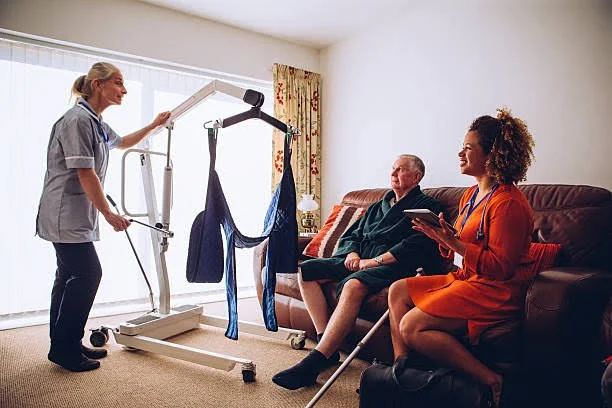
Creating a Safer Home Starts with Careful Planning
When a loved one begins experiencing mobility challenges, everyday tasks often require a different approach. Activities that once seemed routine, such as getting out of bed, moving into a wheelchair, or transferring to a comfortable chair, may gradually become more physically demanding for both the individual and the caregiver. Families often find themselves searching for solutions that improve safety while preserving independence and dignity.
A patient lift system is one of the most effective accessibility solutions available for making these transfers safer and more comfortable. Whether installed in a bedroom, bathroom, or throughout multiple areas of the home, a properly selected lift system can reduce physical strain, improve confidence, and make daily routines much easier to manage.
Many homeowners are surprised to learn that installing a patient lift involves much more than simply placing equipment in a room. Every home has a different layout, every individual has unique mobility needs, and every caregiving routine follows its own rhythm. A successful installation begins with understanding these factors and designing a solution that fits naturally into everyday life.
Professional planning helps ensure the lift system not only functions safely but also supports long-term accessibility as needs evolve. With the right preparation, a patient lift becomes an integral part of the home rather than an obstacle within it.
Understanding Your Mobility Needs
Before selecting a patient lift, it is important to understand how the equipment will be used each day.
Some individuals require assistance with every transfer, while others need support only during specific activities.
The number of daily transfers, the level of mobility, and the amount of caregiver assistance available all influence the type of lift that will provide the greatest benefit.
Rather than focusing solely on the equipment itself, accessibility specialists evaluate how the individual lives within the home.
Understanding these routines allows the lift system to be designed around real-life needs rather than assumptions.
This personalized approach creates a more comfortable and practical accessibility solution.
Scheduling a Professional Home Assessment
The installation process usually begins with a comprehensive home assessment.
During this visit, accessibility professionals evaluate the property's layout, room dimensions, structural features, and the locations where transfers most frequently occur.
Bedrooms, bathrooms, living rooms, and therapy areas may all be considered depending on the individual's daily routine.
Professionals also identify any architectural features that may affect installation, including ceiling construction, doorways, furniture placement, and available floor space.
This assessment provides the information needed to recommend the most appropriate lift system.
Careful planning at this stage helps prevent unexpected challenges during installation.
Choosing the Right Type of Patient Lift
Not every home requires the same lift system.
Ceiling-mounted lifts travel along overhead tracks and are ideal for households where transfers happen frequently or between multiple locations.
Because the lifting mechanism remains above the user, floors stay clear of bulky equipment, creating a more open environment.
Portable floor lifts provide greater flexibility and can be moved between rooms as needed.
Freestanding lift systems offer another option for homes where ceiling installation may not be practical.
Each solution has advantages depending on the home's layout, caregiving routine, and long-term mobility goals.
Selecting the right system ensures the equipment complements everyday life rather than complicating it.
Designing the Installation Plan
Once the lift type has been selected, professionals develop a customized installation plan.
For ceiling-mounted systems, this includes determining the track layout, identifying structural support points, and deciding which rooms should be connected.
Some homes benefit from straight track systems that serve a single room, while others require more extensive layouts that allow movement between bedrooms and bathrooms.
For portable systems, planning focuses on ensuring adequate maneuvering space around beds, chairs, and other furniture.
Every decision is made with safety, comfort, and ease of use in mind.
A customized plan helps ensure the lift performs efficiently while fitting naturally into the home's design.
Preparing the Home for Installation
Before installation begins, certain preparations may be recommended.
Furniture may be temporarily repositioned to allow technicians safe access to work areas.
The installation team also verifies measurements, confirms equipment placement, and reviews the project plan with the homeowner.
For ceiling-mounted systems, structural evaluations ensure that the ceiling can safely support the lift and its intended weight capacity.
This preparation helps create an efficient installation process while minimizing disruption to daily life.
Good preparation also allows families to better understand how the lift will function once it is installed.
What Happens During Installation
Professional installation is typically completed by technicians with specialized training in accessibility equipment.
For ceiling-mounted systems, tracks are carefully secured to approved structural supports before the lift motor is installed and tested.
Each section of track is aligned precisely to ensure smooth movement throughout the system.
Portable floor lifts require assembly, adjustment, and safety testing to confirm that all components operate correctly.
Regardless of the type of lift, installers perform detailed inspections before the system is placed into service.
Every component is carefully checked to verify that it meets safety standards and operates as intended.
Testing the System
Once installation is complete, thorough testing begins.
Technicians evaluate the lift's movement, lifting mechanism, controls, emergency features, and overall performance.
They ensure that the lift travels smoothly and that transfers can be completed safely throughout the intended areas.
This stage is critical because it confirms that the equipment functions properly before it becomes part of the family's daily routine.
Any necessary adjustments are made before the project is considered complete.
Testing provides valuable confidence for both homeowners and caregivers.
Learning How to Use the Lift
Installing the equipment is only part of the process.
Caregiver education plays an equally important role in successful accessibility.
Professional instruction includes proper sling selection, safe positioning techniques, operating the lift controls, and communicating effectively during transfers.
Caregivers also learn how to perform routine safety checks before each use.
This hands-on training allows families to become comfortable with the equipment while building confidence in their caregiving routine.
Proper education helps ensure that every transfer is completed safely and comfortably.
Maintaining Your Patient Lift System
Like any accessibility equipment, patient lifts benefit from regular maintenance.
Routine inspections help identify worn components, loose hardware, or other issues before they affect performance.
Keeping the lift clean and following the manufacturer's maintenance recommendations contributes to reliable long-term operation.
Professional servicing at recommended intervals also helps ensure the lift continues meeting safety standards.
Well-maintained equipment provides greater peace of mind while extending the lifespan of the system.
Regular care protects both the equipment and the people who rely on it every day.
Planning for Future Mobility Needs
Mobility needs often change over time.
Someone who requires occasional transfer assistance today may benefit from additional support in the future.
Professional installation considers these possibilities whenever possible.
Choosing a lift system with flexibility for changing routines helps families avoid unnecessary modifications later.
Planning ahead creates an accessibility solution that continues supporting independence as circumstances evolve.
Long-term thinking allows homeowners to invest confidently in equipment that remains valuable for years to come.
The Benefits Extend Beyond Installation
Once families begin using a patient lift system, many notice improvements that extend far beyond the transfers themselves.
Caregivers often experience less physical fatigue, allowing them to focus more on providing meaningful support.
Individuals receiving care frequently feel more comfortable and confident knowing transfers can be completed safely and smoothly.
Daily routines become more predictable, reducing stress for everyone involved.
A thoughtfully installed lift system contributes to a home environment where accessibility feels natural rather than restrictive.
It becomes an everyday tool that supports both safety and quality of life.
Professional Installation Provides Lasting Peace of Mind
Although patient lift systems are highly engineered pieces of accessibility equipment, their effectiveness depends largely on proper installation.
Professional assessments, customized planning, expert installation, and caregiver education all work together to create a reliable mobility solution.
Choosing experienced accessibility specialists ensures every detail is considered, from structural support and room layout to long-term functionality and safety.
The result is a lift system that integrates seamlessly into the home while providing dependable support for years to come.
Conclusion
Installing a patient lift system is more than adding new equipment to a home. It is a carefully planned process that creates safer transfers, reduces caregiver strain, and improves everyday comfort for individuals with limited mobility. From the initial home assessment and customized design to professional installation, training, and ongoing maintenance, every step contributes to a safer and more accessible living environment.
At KGC, every patient lift installation is designed around the unique needs of the individual, the caregiver, and the home. By combining expert guidance, professional installation, and personalized accessibility solutions, KGC helps families create environments that promote independence, dignity, and long-term safety. Every project is completed with a commitment to quality craftsmanship and compassionate support.
If you're considering a patient lift system for your home, visit the KGC Contact Page to connect with a KGC specialist and discover the accessibility solution that's right for your family's needs.
