
Outdoor Ramp Installation Best Practices
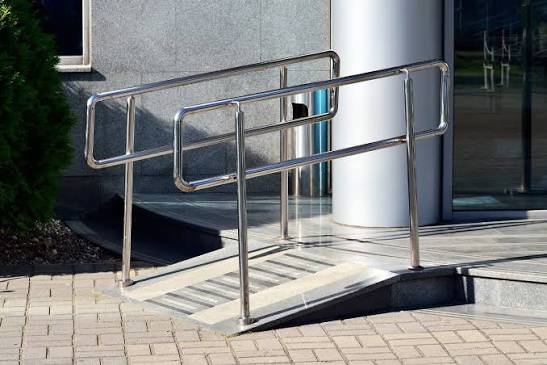
A Strong Foundation Leads to Safer Everyday Access
For many families, installing an outdoor wheelchair ramp marks the beginning of a more accessible home. It transforms entrances that once required extra effort into pathways that encourage confidence and independence. Whether someone uses a wheelchair, walker, scooter, or simply benefits from a smoother transition between different elevations, a properly installed outdoor ramp can make everyday life significantly easier.
However, a successful ramp installation involves much more than attaching an inclined surface to a porch or doorway. Outdoor ramps face unique challenges that indoor accessibility solutions do not. They must withstand changing weather conditions, provide dependable traction throughout the year, resist long-term wear, and remain safe in rain, snow, heat, and changing temperatures.
Many homeowners initially focus on choosing the ramp itself, but the installation process plays an equally important role in determining how well the ramp performs over time. A thoughtfully planned installation helps maximize safety, improves durability, and creates an accessibility solution that feels like a natural extension of the home.
Every property is unique, which is why professional planning remains one of the most valuable parts of the installation process. Careful attention to the surrounding environment, property layout, and the needs of the people using the ramp helps ensure that accessibility improvements continue serving the household for many years.
Begin With a Thorough Site Evaluation
Every successful ramp installation begins with understanding the property.
No two homes have exactly the same layout, elevation changes, landscaping, or entry points. What works well for one property may not be suitable for another.
During a site evaluation, accessibility professionals carefully assess the entrance, surrounding terrain, available space, and how people move around the property each day.
They consider factors such as driveway locations, sidewalks, gardens, utility equipment, drainage patterns, and nearby structures.
This evaluation helps identify the most practical and safest location for the ramp before installation begins.
Starting with careful planning reduces the likelihood of costly adjustments later.
Choose the Most Practical Entrance
Many homes have multiple entrances.
While the front door may seem like the obvious location for a ramp, it is not always the most practical choice.
Sometimes a garage entrance provides a shorter route with fewer elevation changes. In other cases, a side entrance offers better protection from weather while providing easier access to parking.
The best location depends on how the home is used every day.
Choosing an entrance that naturally fits the family's routine helps encourage regular use while making accessibility feel like a seamless part of daily life.
Convenience is just as important as installation itself.
Plan for the Correct Ramp Slope
One of the most important aspects of outdoor ramp installation is ensuring a comfortable and safe slope.
If a ramp is too steep, it may become difficult for wheelchair users to navigate independently or for caregivers to provide assistance safely.
A gradual incline improves comfort while reducing physical effort during both ascent and descent.
Accessibility professionals calculate the appropriate ramp length based on the property's elevation changes and accepted accessibility guidelines.
Although longer ramps require additional space, they typically provide a much safer and more comfortable experience.
The goal is not simply to reach the doorway but to create an accessibility route that feels secure every time it is used.
Allow Enough Space for Safe Movement
Planning an outdoor ramp involves more than measuring the distance from the ground to the entrance.
Adequate space is needed for level landings, turning areas, and smooth transitions between the ramp and surrounding walkways.
Some properties require switchback designs that allow longer ramps to fit within limited yard space.
Others have sufficient room for straight installations.
Evaluating available space carefully helps ensure that the finished ramp supports comfortable movement without interfering with landscaping, parking areas, or other outdoor features.
Accessibility should improve the property's functionality rather than create new obstacles.
Select Materials Designed for Outdoor Conditions
Outdoor ramps are exposed to the elements every day.
Rain, sunlight, snow, humidity, and changing temperatures all influence long-term performance.
Choosing durable materials helps ensure the ramp continues providing reliable accessibility throughout every season.
Many homeowners choose aluminum because it resists corrosion and requires relatively little maintenance.
Others prefer concrete for its strength or wood for its traditional appearance.
Composite materials have also become popular because they combine durability with attractive finishes.
Selecting materials that suit the local climate helps maximize both safety and longevity.
Prioritize Slip Resistance
One of the greatest safety concerns for outdoor ramps is maintaining traction during changing weather conditions.
Wet leaves, rain, snow, or frost can reduce grip if the walking surface is not designed appropriately.
Many accessibility ramps include textured surfaces specifically engineered to improve traction.
Keeping these surfaces clean and free from debris helps them perform as intended.
Slip-resistant materials, combined with regular maintenance, contribute significantly to year-round safety.
A secure walking surface allows users and caregivers to travel with greater confidence regardless of the season.
Consider Drainage During Installation
Water management is often overlooked during accessibility planning.
However, proper drainage plays a major role in keeping outdoor ramps safe.
Water should flow away from the ramp rather than collecting on or beneath it.
Standing water can increase the likelihood of slips while also contributing to premature wear in certain materials.
Professional installers evaluate grading, surrounding landscaping, and drainage patterns before installation begins.
These small details help protect both the ramp and the surrounding property over the long term.
Install Secure Handrails
Handrails provide valuable support for many individuals using outdoor ramps.
People walking with canes, walkers, or limited balance often rely on handrails for additional stability.
Caregivers also benefit from having secure support while assisting someone using a wheelchair or mobility aid.
Properly installed handrails should feel sturdy, comfortable to grip, and positioned where they can be easily reached throughout the length of the ramp.
Including handrails as part of the overall design contributes to a safer accessibility experience.
Provide Adequate Lighting
Accessibility does not end when the sun goes down.
Many people leave home early in the morning or return after dark.
Well-lit ramps improve visibility while helping users identify changes in direction, landings, and surrounding pathways.
Good lighting also benefits caregivers by making it easier to provide safe assistance during evening hours.
Thoughtfully placed outdoor lighting contributes to both security and accessibility without affecting the appearance of the home.
Perform Routine Maintenance
Even the highest-quality outdoor ramp benefits from regular care.
Homeowners should periodically inspect the ramp for loose fasteners, damaged walking surfaces, worn traction areas, or debris that could interfere with safe movement.
Seasonal maintenance is especially important.
Removing leaves during autumn, clearing snow in winter, and washing away accumulated dirt throughout the year help preserve the ramp's performance.
Routine inspections also allow small concerns to be addressed before they become larger maintenance issues.
Think About Future Accessibility Needs
Many families install outdoor ramps in response to an immediate mobility need.
However, accessibility planning often provides the greatest value when it also considers the future.
Mobility needs may evolve over time.
Households may welcome additional family members with accessibility requirements.
Home renovations may change how entrances are used.
Planning with long-term flexibility in mind helps ensure the ramp continues meeting the family's needs without requiring significant modifications later.
Accessibility solutions should adapt alongside the people who depend on them.
Professional Installation Makes a Lasting Difference
Although some accessibility products may appear straightforward, proper installation requires specialized knowledge.
Professional installers understand how slope, structural support, drainage, materials, safety features, and property layouts work together.
Their experience helps create ramps that perform reliably while integrating naturally into the home's design.
Professional installation also provides confidence that every aspect of the project has been carefully evaluated.
This attention to detail helps homeowners enjoy safer, more dependable accessibility for years to come.
Conclusion
A successful outdoor ramp installation involves much more than connecting two different elevations. From careful site evaluations and proper slope calculations to durable materials, effective drainage, secure handrails, and ongoing maintenance, every detail contributes to creating a safer and more reliable accessibility solution. Thoughtful planning helps ensure that the ramp supports independence, confidence, and comfortable movement in every season.
At KGC, every accessibility project is designed around the unique needs of the individual and the property. By combining expert planning, quality craftsmanship, and customized mobility solutions, KGC helps homeowners create welcoming environments that are both safe and built to last. Every installation is completed with a focus on long-term performance, comfort, and independence.
If you're ready to improve accessibility with a professionally installed outdoor wheelchair ramp, visit the KGC Contact Page to connect with a KGC specialist and discover the right solution for your home.
