
Innovative Mobility Solutions for Multi-Level Homes
Making Every Floor Feel Like Home Again
A multi-level home offers many advantages. Separate living spaces provide privacy, additional square footage creates flexibility, and different levels often add architectural character that homeowners love. Whether it's a split-level layout, a two-story family home, or a custom-designed residence with multiple floors, these homes are built to support the way people live.
However, when mobility needs change, those same stairs that once added charm can become daily obstacles.
Something as simple as carrying laundry upstairs, preparing dinner in a kitchen on another level, or heading to a bedroom at the end of the day may require more planning and effort than before. Family members may begin limiting how often they use certain rooms, and spaces that were once enjoyed every day can slowly become less accessible.
The good news is that moving to a different home is not the only solution.
Today's mobility technology offers innovative ways to make every level of a home easier to reach while preserving the comfort, beauty, and personality that made the home special in the first place. Rather than changing the way people live, these solutions help homes adapt to the people who live in them.
Why Accessibility Matters in Multi-Level Homes
Stairs are one of the most common architectural features in residential properties, but they can also become one of the biggest barriers to independence.
For someone experiencing reduced mobility, recovering from surgery, living with a long-term physical condition, or using a wheelchair, navigating multiple levels safely may become increasingly difficult. Even family caregivers may worry about the risks associated with repeated trips up and down the stairs.
Improving accessibility is not simply about making movement possible.
It is about making everyday routines easier, reducing physical strain, increasing confidence, and allowing people to continue enjoying every part of their home.
Modern mobility solutions are designed to achieve these goals while fitting naturally into a home's layout and design.
Understanding That Every Home Is Different
No two homes are exactly alike.
Some have straight staircases connecting two floors. Others include curved stairways, split-level transitions, or outdoor steps leading to entrances. Some homes require access between multiple stories, while others simply need a safe way to overcome a few steps.
Likewise, no two individuals have identical mobility needs.
One homeowner may only need occasional assistance navigating stairs, while another may rely on a wheelchair every day. Some families are planning ahead for future accessibility, while others need immediate solutions following an injury or medical event.
Because of these differences, choosing the right mobility solution always begins with understanding both the home and the people who live there.
Stairlifts for Everyday Convenience
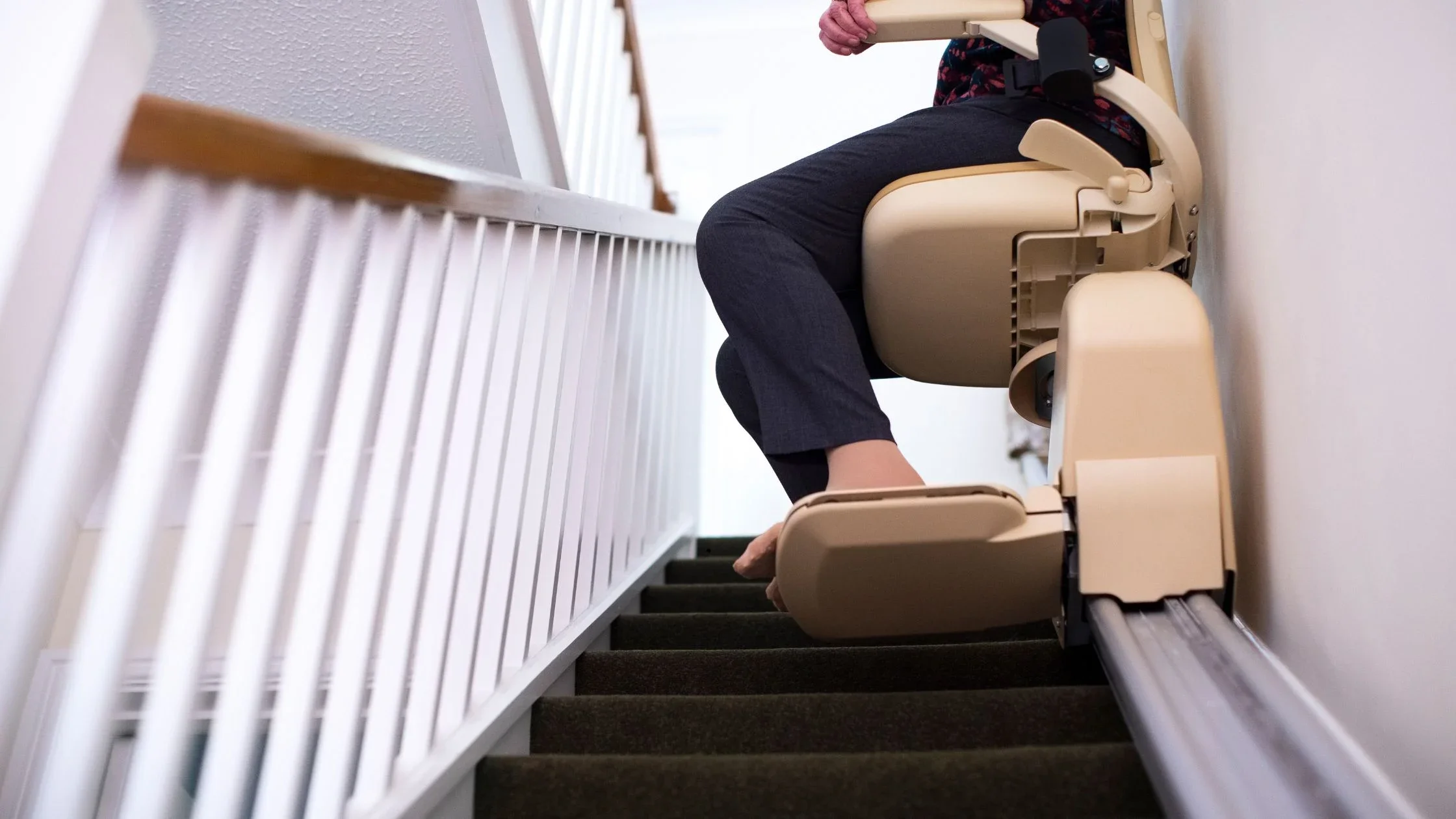
For many homeowners, a stairlift is one of the most practical ways to improve accessibility.
Installed directly onto the staircase, stairlifts use a motorized chair that travels along a rail, allowing users to move safely between floors while seated.
Modern stairlifts are available for both straight and curved staircases, making them suitable for a wide variety of home layouts.
They are particularly beneficial for individuals who are able to transfer comfortably into the chair and who want a reliable solution that requires minimal structural modification.
By making stair navigation easier, stairlifts help homeowners continue using the entire house with greater confidence.
Home Elevators Bring Seamless Accessibility
For homeowners looking for a long-term accessibility solution that serves multiple floors, residential elevators offer exceptional convenience.
Unlike stair-based systems, home elevators provide vertical travel between levels while accommodating wheelchairs, walkers, groceries, luggage, and other everyday items.
Modern residential elevators are available in a variety of styles and sizes that complement contemporary home design.
Many homeowners appreciate not only the accessibility benefits but also the convenience elevators provide during everyday life.
Transporting heavy items between floors becomes significantly easier, and every level of the home remains equally accessible.
Vertical Platform Lifts for Short Elevation Changes
Not every accessibility challenge involves an entire staircase.
Many homes include raised entrances, split-level layouts, patios, garages, or interior transitions with only a few steps separating one area from another.
Vertical platform lifts provide a practical solution for these situations.
Rather than traveling along stairs, they move users vertically between two elevations while allowing wheelchair users to remain comfortably in their mobility device.
Because they operate within a relatively compact footprint, vertical platform lifts often fit into spaces where ramps would require considerably more room.
They offer homeowners an effective way to improve accessibility without extensive renovations.
Innovative Hybrid Accessibility Systems
One of the newest developments in residential accessibility is the introduction of hybrid systems that combine multiple functions into a single installation.
Instead of choosing between stairs and a lift, homeowners can select systems that perform both roles.
Solutions like the LiftUp FlexStep allow a staircase to transform into a platform lift whenever accessibility is needed.
This innovative concept is especially valuable in homes where space is limited or where maintaining architectural aesthetics is a priority.
Hybrid systems demonstrate how accessibility technology continues to evolve in ways that support both function and design.
Designing Homes That Support Independence
The purpose of mobility solutions extends far beyond helping people move from one floor to another.
They create opportunities for greater independence.
A homeowner who can reach every level of the house safely may continue enjoying familiar routines without relying on assistance. Family members can gather throughout the home without worrying about inaccessible spaces. Daily activities become less stressful because movement feels easier and more predictable.
These improvements often have a meaningful emotional impact.
Being able to use every room in the home contributes to confidence, comfort, and a stronger sense of control over everyday life.
Accessibility helps people continue living in the spaces they know and love.
Maintaining the Character of Your Home
Many homeowners hesitate to explore accessibility solutions because they worry about changing the appearance of their home.
Fortunately, today's mobility products are designed with aesthetics in mind.
Manufacturers recognize that accessibility should complement a home's architecture rather than detract from it.
Modern stairlifts feature streamlined designs. Residential elevators can be customized to coordinate with interior finishes. Platform lifts are available in configurations that integrate naturally into entryways and living spaces.
These thoughtful design improvements allow homeowners to prioritize accessibility while preserving the visual character of their property.
Planning for Future Needs
Accessibility planning is often most effective when it happens before mobility challenges become more significant.
Many homeowners choose to install mobility solutions as part of long-term planning rather than waiting until navigating stairs becomes difficult.
Preparing a home for future accessibility provides flexibility as needs change over time.
Whether accommodating aging family members, supporting recovery after surgery, or planning for multi-generational living, proactive accessibility improvements help create homes that remain functional for years to come.
Rather than reacting to changing circumstances, families can enjoy the confidence of knowing their home is already prepared.
Supporting Caregivers and Family Members
Mobility solutions also benefit the people who provide care and support.
Family members often experience less physical strain when accessibility systems reduce the need for manual assistance.
Helping someone navigate stairs repeatedly throughout the day can be physically demanding and emotionally stressful.
By improving safe movement throughout the home, mobility solutions create a more comfortable environment for everyone involved.
Caregivers can focus more on spending meaningful time together rather than managing physical obstacles.
Choosing the Right Solution for Your Home
Selecting the best mobility solution involves considering several important factors.
The layout of the home, available installation space, current mobility needs, anticipated future changes, and overall lifestyle all influence the decision.
Some homeowners benefit most from a stairlift.
Others may prefer the convenience of a residential elevator.
Homes with short elevation changes may be ideal candidates for vertical platform lifts, while hybrid systems provide creative solutions where multiple goals need to be balanced.
Professional guidance helps ensure that each recommendation reflects the unique characteristics of the property and the people who will use it every day.
Investing in Comfort, Safety, and Peace of Mind
Accessibility improvements represent more than a home upgrade.
They are an investment in quality of life.
By making every level of the home easier to access, mobility solutions help reduce fall risks, support independence, and encourage continued use of the entire property.
Families often discover that these improvements provide benefits far beyond mobility alone.
They contribute to confidence, convenience, comfort, and the reassurance that the home can continue supporting changing needs well into the future.
Conclusion
Innovative mobility solutions have transformed what is possible for multi-level homes. Whether through stairlifts, residential elevators, vertical platform lifts, or advanced hybrid systems, today's accessibility options allow homeowners to enjoy every level of their home with greater safety, comfort, and independence. By combining thoughtful design with reliable performance, these solutions help create living spaces that remain functional, welcoming, and adaptable for years to come.
At KGC, every accessibility journey begins with understanding the unique needs of the individual and the home. From personalized recommendations to professionally installed mobility solutions, KGC is committed to helping families create environments that support independence without compromising comfort or style. Every solution is carefully selected to fit your home, your lifestyle, and your long-term goals.
If you're ready to explore innovative mobility solutions for your multi-level home, visit the KGC Contact Page to connect with a KGC specialist and discover the accessibility solution that's right for you.
