
Choosing Between Permanent and Portable Ramps
Finding the Right Ramp Begins With Understanding Your Everyday Needs
For many people, a single step can become one of the biggest obstacles in daily life. Whether it is the entrance to a home, a raised patio, a garage threshold, or the doorway to a business, changes in elevation can affect comfort, safety, and independence. Fortunately, wheelchair ramps provide a simple and effective way to remove these barriers, allowing people to move more freely between spaces.
One of the first decisions homeowners and business owners face is whether a permanent or portable ramp is the better choice. At first, the answer may seem straightforward, but the right solution depends on much more than the height of a step or the available budget. It involves considering how often the ramp will be used, who will rely on it, the layout of the property, and whether accessibility needs are temporary or long-term.
Some families need a reliable, everyday solution that becomes a lasting part of their home. Others need flexibility, allowing them to take accessibility wherever they go. Both permanent and portable ramps offer valuable benefits, but understanding how they differ can help ensure that the final choice supports both safety and convenience.
Understanding Permanent Ramps
Permanent ramps are designed to become a fixed part of a home or building. They are professionally installed and remain in place to provide consistent access every day.
These ramps are commonly used at front entrances, garages, patios, and commercial buildings where accessibility is needed on a long-term basis. Because they are securely installed, permanent ramps offer dependable performance and create a smooth, predictable pathway for wheelchair users, individuals using walkers, and anyone who benefits from step-free access.
Many homeowners appreciate that a permanent ramp becomes a natural extension of the property. Rather than setting it up before each use, the ramp is always ready, making everyday routines simpler and more convenient.
Permanent ramps can also be customized to suit the layout and appearance of a home. Materials, finishes, and configurations can often be selected to complement the property's design while meeting accessibility requirements.
Understanding Portable Ramps
Portable ramps serve a different purpose.
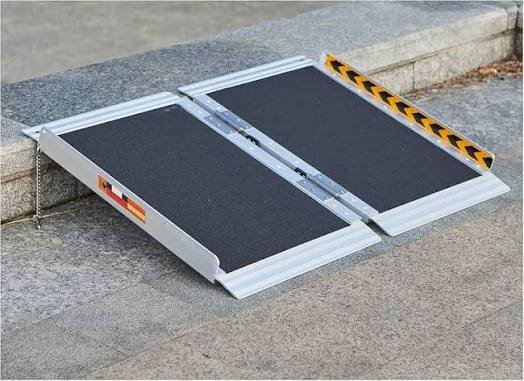
Instead of remaining in one location, they are designed to be moved, stored, and transported as needed. Most portable ramps are lightweight enough to be folded or separated into sections, allowing users or caregivers to carry them between locations.
These ramps are ideal for situations where accessibility is needed temporarily or in multiple places.
A portable ramp might be used to navigate a few steps at a family member's home, provide access during travel, help overcome a doorway threshold, or create temporary entry while recovering from surgery.
Because they offer flexibility, portable ramps have become popular among individuals who want an accessibility solution that can travel with them.
Considering How the Ramp Will Be Used
One of the most important questions to ask is how often the ramp will be used.
If accessibility is needed every day, a permanent ramp often provides the greatest convenience. There is no setup required, and users can rely on the ramp whenever they leave or enter the home.
Imagine beginning each morning without having to position a portable ramp before going outside. The entrance remains accessible at all times, allowing movement to feel effortless and predictable.
On the other hand, someone who only occasionally encounters accessibility barriers may benefit more from a portable solution.
For example, a family member who visits relatives on weekends may appreciate having a lightweight ramp that can be brought along and used wherever it is needed.
The frequency of use often plays a significant role in determining which option makes the most sense.
Evaluating the Property Layout
Every property presents unique accessibility challenges.
Some homes have a single step leading to the front door. Others include raised porches, multiple entrances, or uneven outdoor pathways.
Permanent ramps are typically better suited for locations where the accessibility route will remain the same over time.
Because they are custom installed, they can be designed to accommodate specific elevations, available space, and traffic patterns.
Portable ramps work well in environments where the location changes regularly or where only occasional access is required.
Understanding how the property is used each day helps ensure that the selected ramp supports natural movement rather than creating unnecessary inconvenience.
Safety and Stability
Safety should always be the highest priority when selecting an accessibility solution.
Permanent ramps are securely anchored, providing excellent stability during daily use. Their fixed installation helps create a consistent surface that users can rely on every time they enter or leave the property.
Portable ramps are also designed with safety in mind, but they require proper positioning before each use.
Users and caregivers should ensure that the ramp is placed securely and that it rests firmly against the surface it is intended to bridge.
When used correctly, portable ramps provide dependable accessibility. However, because they are moved frequently, regular inspection and careful placement are essential for maintaining safe operation.
Thinking About Long-Term Accessibility
Accessibility needs can change over time.
A temporary injury may require a portable ramp for several months before full mobility returns.
In other situations, long-term mobility needs make a permanent solution more practical.
Planning ahead helps families avoid repeated adjustments as circumstances evolve.
If accessibility will likely remain an important part of everyday life, investing in a permanent ramp may provide greater convenience and peace of mind.
Conversely, if mobility needs are expected to improve or change significantly, a portable ramp may offer the flexibility required without committing to permanent modifications.
Travel and Everyday Flexibility
One of the greatest strengths of portable ramps is their versatility.
Families who travel frequently often appreciate having an accessibility solution that accompanies them wherever they go.
Portable ramps can help overcome small steps at hotels, vacation rentals, community buildings, or the homes of friends and relatives.
This flexibility allows wheelchair users and individuals with mobility devices to enjoy greater confidence when visiting unfamiliar places.
Rather than wondering whether accessibility will be available, they have a practical solution ready whenever it is needed.
Appearance and Property Value
Homeowners naturally want accessibility improvements to complement the appearance of their property.
Modern permanent ramps are available in a variety of materials and designs that blend with existing architecture. When professionally installed, they can enhance both functionality and curb appeal.
Portable ramps, by comparison, are intended primarily for convenience rather than aesthetics.
Because they are stored when not in use, they have little impact on the overall appearance of the home.
Choosing between these options often depends on whether accessibility is expected to become a permanent feature of the property.
Maintenance Considerations
Both permanent and portable ramps benefit from routine maintenance.
Permanent ramps should be inspected periodically to ensure that surfaces remain stable, secure, and free from damage. Cleaning debris, checking handrails, and maintaining traction all contribute to safe everyday use.
Portable ramps require additional attention because they are moved regularly.
Users should inspect hinges, locking mechanisms, and walking surfaces before use while ensuring the ramp remains clean and free from damage during transport and storage.
Consistent maintenance helps maximize safety and extend the lifespan of either type of ramp.
Working With Accessibility Professionals
Although ramps may appear straightforward, selecting the right one involves careful evaluation.
Accessibility specialists consider factors such as slope, available space, intended use, mobility devices, and future accessibility needs before recommending a solution.
Professional guidance helps ensure that the chosen ramp provides safe, reliable access while meeting the specific needs of the property and the individuals who will use it.
Rather than relying solely on general recommendations, homeowners benefit from personalized advice based on their unique circumstances.
Making the Decision With Confidence
There is no universal answer when choosing between permanent and portable ramps.
For some families, the convenience and stability of a permanent installation provide exactly what they need for everyday living.
For others, the flexibility of a portable ramp offers the freedom to travel, visit loved ones, and adapt to changing situations with ease.
The best decision is the one that supports independence, enhances safety, and fits naturally into everyday life.
When accessibility solutions are chosen thoughtfully, they become more than practical equipment. They become tools that help people enjoy greater freedom and confidence wherever life takes them.
Conclusion
Both permanent and portable ramps play an important role in improving accessibility, but they serve different purposes. Permanent ramps provide dependable, everyday access for homes and commercial buildings, while portable ramps offer flexibility for travel, temporary needs, and changing environments. Understanding how each option fits your lifestyle, property, and long-term mobility goals is the key to making the right choice.
At KGC, every accessibility solution is tailored to the individual rather than applying a one-size-fits-all approach. Whether you're considering a permanent ramp for your home or a portable solution for greater flexibility, KGC provides expert guidance to help you find the option that best supports your independence, safety, and comfort.
If you're ready to explore wheelchair ramp solutions that fit your needs, visit the KGC Contact Page to connect with a KGC specialist and schedule a personalized consultation.
