
How Weather Affects Outdoor Vertical Platform Lifts: Maintenance Tips for Longevity
Introduction
It was a gray morning after a long stretch of rain. The kind of day when the air feels heavy and everything outside carries a thin layer of moisture. Someone I care about stood under the porch roof, looking at their outdoor vertical platform lift. It had worked perfectly the day before, and the day before that. Still, they hesitated for a moment before stepping on.
Do you think the rain hurts it? they asked.
That question is one many homeowners ask quietly. Outdoor vertical platform lifts are designed to live outside, but weather has a way of making people second guess even the most reliable systems. Rain, snow, heat, cold, wind, and sun all leave their mark over time. Understanding how weather affects an outdoor VPL is not about fear. It is about respect for the environment it operates in and the role thoughtful maintenance plays in keeping it dependable for years.
This article explores how different weather conditions affect outdoor vertical platform lifts and what homeowners can do to protect their investment. It focuses on longevity, safety, and peace of mind, helping families feel confident that their lift will continue to support daily independence in every season.
Why Outdoor VPLs Are Built Differently
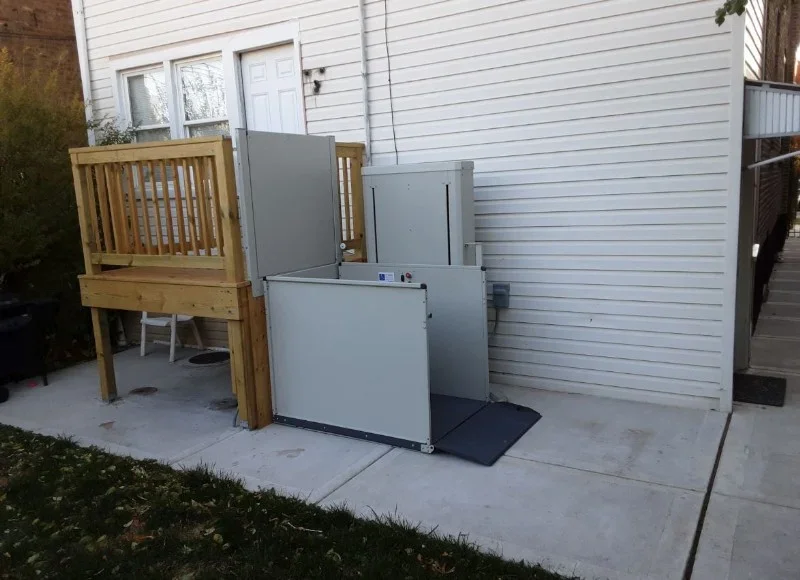
Outdoor vertical platform lifts are engineered with the elements in mind. Unlike indoor lifts, they are exposed to changing conditions day after day. Designers account for moisture, temperature fluctuations, and debris when selecting materials and components.
Weather resistant finishes, sealed electronics, corrosion resistant metals, and non slip surfaces are standard features in outdoor rated lifts. These design choices allow the lift to function reliably, but they do not eliminate the need for care. Even the best systems benefit from attention and maintenance that respects their environment.
Rain and Moisture Exposure
Rain is one of the most common concerns for outdoor lift owners. Water can find its way into small spaces, and prolonged moisture can accelerate wear if not managed properly.
Outdoor VPLs are designed with sealed control panels and protected wiring to prevent water intrusion. Drainage around the base of the lift is equally important. Standing water can affect stability and increase corrosion over time.
Regularly checking that drainage paths remain clear and that seals are intact helps ensure rain remains a surface issue rather than an internal one.
Humidity and Its Long Term Effects
In humid climates, moisture is present even when it is not raining. Over time, humidity can contribute to corrosion and affect moving parts.
Outdoor lifts use materials that resist rust, but periodic inspection helps catch early signs of wear. Keeping the lift clean and free of debris allows moisture to evaporate rather than linger.
Humidity is a slow influence, but consistent care counters its effects.
Snow and Ice Challenges
Snow and ice introduce unique challenges. Accumulation on the platform can create slip hazards. Ice can interfere with smooth movement if not addressed.
Outdoor VPL platforms are designed with non slip surfaces to improve traction. However, homeowners should remove snow and ice promptly, just as they would from walkways or steps.
Using appropriate de icing products that are safe for metal and electrical components is important. Avoiding harsh chemicals protects the lift’s finish and functionality.
Cold Temperatures and Mechanical Performance
Cold weather can affect batteries, lubricants, and moving parts. Outdoor VPLs are rated for temperature ranges, but extreme cold may still impact performance if maintenance is neglected.
Regular servicing ensures that components remain properly lubricated and that batteries maintain sufficient charge. Some systems include heaters or cold weather packages designed to support winter operation.
Preparing for cold weather before it arrives helps prevent unexpected issues.
Heat and Sun Exposure
Heat and direct sunlight affect outdoor lifts differently than cold. Prolonged exposure to high temperatures can stress electronic components and fade finishes if not designed for UV resistance.
Outdoor VPLs use materials that resist sun damage, but shade structures or strategic placement can further extend longevity. Canopies not only protect users from sun and rain but also shield sensitive components.
Heat management supports consistent performance and comfort.
Wind and Airborne Debris
Wind itself is rarely a direct threat, but it carries debris. Leaves, dust, pollen, and small particles can accumulate in tracks and moving parts.
Keeping the lift clean prevents debris from interfering with sensors or movement. Regular visual checks after storms help catch issues early.
A clean lift is a safer, longer lasting lift.
Seasonal Changes and Expansion
Temperature fluctuations cause materials to expand and contract. Outdoor lifts are designed to accommodate these changes, but over time, fasteners and alignments may need adjustment.
Seasonal inspections ensure that components remain secure and aligned. This proactive approach prevents minor shifts from becoming larger problems.
Respecting seasonal change is part of long term care.
Importance of Regular Cleaning
Cleaning is one of the simplest and most effective maintenance practices. Dirt and debris accelerate wear when left unattended.
Gentle cleaning with manufacturer recommended products keeps surfaces clear without damaging finishes. Avoiding pressure washing near electrical components protects seals and wiring.
Cleanliness supports reliability.
Scheduled Professional Maintenance
While homeowner care is important, professional maintenance is essential. Trained technicians inspect components that are not visible during everyday use.
They check electrical systems, safety sensors, lubrication, and alignment. Regular service visits catch potential issues before they affect performance.
Professional maintenance is an investment in longevity.
Monitoring Safety Features After Weather Events
After severe weather, it is wise to test safety features. Gates, sensors, and emergency stops should function as expected.
Testing ensures that weather has not affected performance. If anything feels unusual, contacting a professional promptly prevents further issues.
Safety checks protect confidence.
Protecting the Foundation and Surrounding Area
The area around the lift matters. Soil erosion, pooling water, or shifting ground can affect stability.
Maintaining proper grading and drainage around the lift base supports long term stability. Addressing landscaping issues promptly prevents structural concerns.
The lift is only as stable as the ground beneath it.
Using Protective Enclosures and Covers
Some homeowners choose partial enclosures or covers for added protection. These structures shield the lift from direct exposure while maintaining accessibility.
Covers designed specifically for VPLs protect components without interfering with operation. They also provide comfort during use.
Protection extends lifespan.
Understanding Manufacturer Guidelines
Each lift model comes with specific care recommendations. Following these guidelines ensures that maintenance aligns with design specifications.
Manufacturer guidance reflects real world testing and experience. Respecting it supports warranty coverage and performance.
Knowledge empowers proper care.
Emotional Peace of Mind Through Maintenance
There is emotional comfort in knowing that the lift is cared for. Regular maintenance turns uncertainty into trust.
When homeowners know their outdoor VPL is prepared for weather, they approach daily movement with confidence rather than hesitation.
Peace of mind is part of longevity.
Real Life Reflections From Outdoor VPL Owners
I once spoke with a homeowner who said their lift survived years of coastal weather because they stayed consistent with maintenance. Another shared that after adding a canopy, both comfort and performance improved noticeably.
These experiences show how small steps add up to lasting reliability.
Weather Does Not Have to Be a Limitation
Weather is part of life. Outdoor vertical platform lifts are designed to coexist with it, not fight it.
With thoughtful maintenance, outdoor VPLs continue to support independence in rain, snow, heat, and cold.
Preparation replaces worry.
Conclusion
Weather affects outdoor vertical platform lifts, but it does not have to shorten their lifespan. Rain, snow, heat, humidity, and wind all influence performance, yet proper design and consistent maintenance protect reliability. Regular cleaning, professional inspections, and attention to the surrounding environment ensure that outdoor VPLs continue to operate safely and smoothly year after year.
At KGC, we believe accessibility solutions should be built to last. Our approach to outdoor vertical platform lifts includes guidance on weather readiness and maintenance so homeowners can rely on their lift in every season. If you have questions about caring for an outdoor VPL or want support planning for long term use, our team is here to help.
You can reach our team through the KGC Contact Page.
