
How Vertical Platform Lifts Improve Wheelchair Accessibility
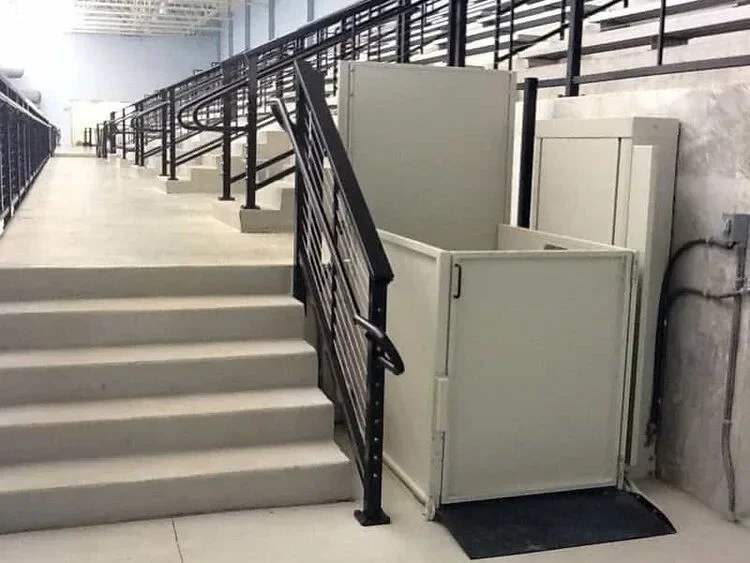
When Accessibility Means More Than Getting From One Place to Another
For many people, moving through a home or building is something that happens without much thought. A few steps up to the front door, a split-level floor plan, or a raised porch may seem like minor design features. Yet for wheelchair users, these same features can create significant barriers that affect independence, comfort, and daily routines.
Accessibility is often discussed in practical terms, focusing on measurements, equipment, and building requirements. While these details matter, the true impact of accessibility goes much deeper. It influences how people participate in family life, maintain their independence, and move confidently through spaces they call home.
Vertical platform lifts are one of the most effective solutions for improving wheelchair accessibility. They do more than transport people between different levels. They remove obstacles that can otherwise limit freedom, creating a more welcoming and inclusive environment.
Understanding how these lifts improve accessibility helps families make informed decisions about creating safer and more functional spaces.
Understanding the Challenge of Elevation Changes
Wheelchair accessibility is often associated with door widths, ramps, and open floor plans. However, one of the most common barriers involves changes in elevation.
A single step can be enough to prevent independent access. Multiple steps leading to a front entrance, a raised deck, or a split-level interior can make movement difficult or impossible without assistance.
Families frequently try temporary solutions at first. Portable ramps, caregiver assistance, or alternative entrances may provide short-term help. Over time, however, these workarounds can become inconvenient, physically demanding, and emotionally frustrating.
The issue is not simply reaching a destination. It is having the freedom to do so safely and independently whenever needed.
Vertical platform lifts address this challenge directly by providing reliable access between different levels without requiring stairs or lengthy ramps.
What Is a Vertical Platform Lift?
A vertical platform lift, often referred to as a VPL, is a mobility solution that moves users straight up and down on a secure platform.
Unlike a stairlift, which requires an individual to transfer into a chair attached to a rail, a vertical platform lift allows users to remain in their wheelchair or mobility device throughout the entire journey.
The platform is designed to accommodate wheelchairs, power chairs, scooters, and in some cases individuals who prefer to stand. Safety gates, non-slip surfaces, and easy-to-use controls create a secure and comfortable experience.
Many people describe a VPL as a compact accessibility elevator designed specifically for mobility needs.
The ability to remain seated in a wheelchair throughout travel is one of the most significant advantages these systems offer.
Eliminating the Need for Transfers
Transfers are often one of the most physically demanding aspects of mobility.
Moving from a wheelchair into another seat requires strength, balance, coordination, and in some cases assistance from a caregiver. Even when transfers are possible, they can be tiring and increase the risk of falls.
Vertical platform lifts eliminate this step entirely.
The user enters the platform in their wheelchair, activates the controls, and travels to the desired level without changing position. Once they arrive, they simply exit the platform and continue their journey.
This seamless process saves energy, reduces physical strain, and allows greater independence.
For many wheelchair users, eliminating transfers is not merely a convenience. It is a meaningful improvement in everyday quality of life.
Creating Independent Access to Entrances
One of the most common uses for vertical platform lifts is improving access to home entrances.
Many homes include front steps, porches, or elevated entryways that can make wheelchair access difficult. While ramps are often considered an accessibility solution, they require significant space to meet safe slope requirements.
In some cases, a ramp may stretch across a large portion of a yard or driveway. For homes with limited space, ramps may not be practical at all.
A vertical platform lift provides direct access within a compact footprint. Users can travel from ground level to the entrance safely and comfortably without navigating a lengthy incline.
This simple change can restore the ability to enter and leave the home independently, which is often one of the most valued aspects of accessibility.
Improving Access Inside the Home
Accessibility challenges are not limited to entrances.
Many homes include interior elevation changes such as split levels, raised living areas, or multiple floors connected by stairs. These features can restrict access to bedrooms, offices, family rooms, and other important spaces.
An indoor vertical platform lift creates a bridge between levels, allowing wheelchair users to move freely throughout the home.
The impact is significant. Instead of reorganizing daily life around accessible areas, individuals can enjoy full use of their living environment.
The home becomes more connected, more functional, and more accommodating to changing mobility needs.
Supporting Long-Term Independence
One of the greatest benefits of vertical platform lifts is their role in supporting long-term independence.
Many families install accessibility solutions in response to immediate challenges, but the most successful solutions continue providing value for years to come.
A vertical platform lift allows wheelchair users to maintain control over their movements and daily routines. They can access entrances, rooms, and outdoor spaces without relying on constant assistance.
This independence contributes to confidence and self-sufficiency, both of which play important roles in overall wellbeing.
Accessibility is not simply about physical access. It is about preserving choice and participation in everyday life.
Enhancing Safety for Users and Caregivers
When accessibility barriers exist, caregivers often step in to help.
While assistance can be valuable, manually helping someone navigate stairs or elevation changes can create risks for both individuals. Caregivers may experience physical strain, and users may feel vulnerable during transfers or assisted movement.
Vertical platform lifts reduce these challenges by providing a stable and predictable method of transportation.
Safety gates, smooth operation, emergency controls, and secure platforms help create confidence during every trip. Caregivers can focus on providing support where needed rather than managing physically demanding transfers.
The result is a safer environment for everyone involved.
Improving Access to Outdoor Living Spaces
Accessibility should extend beyond the front door.
Patios, decks, gardens, and recreational areas often hold special meaning for homeowners. These spaces support relaxation, social gatherings, and personal enjoyment.
Unfortunately, outdoor elevation changes can make these areas difficult to reach for wheelchair users.
Outdoor vertical platform lifts help restore access to these spaces. Individuals can enjoy fresh air, spend time with family outdoors, and participate more fully in activities taking place around the property.
The ability to access the entire home environment contributes to a richer and more connected lifestyle.
A More Inclusive Home Environment
Accessibility solutions benefit more than the primary user.
When wheelchair access improves, the entire household gains flexibility. Family gatherings become easier to host. Visitors with mobility needs feel more welcome. Everyday routines become less stressful and more inclusive.
A vertical platform lift helps create a home where everyone can participate comfortably.
This inclusivity is one of the most meaningful outcomes of accessibility planning.
Combining Functionality with Modern Design
Many homeowners worry that accessibility equipment will dominate the appearance of their home.
Modern vertical platform lifts are designed with aesthetics in mind. Clean lines, compact footprints, and attractive finishes allow them to integrate naturally into residential settings.
Rather than feeling like a temporary addition, a well-designed lift becomes part of the home's overall functionality and style.
Accessibility and design can work together to create spaces that are both beautiful and practical.
Investing in Future Accessibility
Mobility needs can change over time, making long-term planning an important consideration.
Installing a vertical platform lift today can help ensure the home remains accessible in the future. Families often find peace of mind knowing that they have proactively addressed potential barriers before they become urgent concerns.
This forward-thinking approach supports continued independence and reduces the likelihood of disruptive home modifications later.
Conclusion
Vertical platform lifts improve wheelchair accessibility by eliminating barriers, reducing the need for transfers, enhancing safety, and creating independent access to entrances, levels, and outdoor spaces. More than a mobility device, they are a powerful tool for preserving freedom, confidence, and participation in everyday life.
At KGC, accessibility solutions are designed around the unique needs of each individual and home. The team takes a personalized approach to every project, helping families find mobility solutions that balance safety, comfort, independence, and style. Whether improving access to a front entrance or creating full-home accessibility, KGC is committed to making everyday living easier and more enjoyable.
If you are considering a vertical platform lift or exploring ways to improve wheelchair accessibility in your home, visit the KGC Contact Page.
