
How Stairlifts Improve Daily Independence for Adults With Mobility Challenges
Introduction
It started as a small change that was easy to dismiss. A pause at the bottom of the stairs. A longer grip on the railing. A quiet decision to carry laundry in smaller loads so there would be less weight to manage while climbing. No one spoke about it directly at first. Independence still existed. Life still moved forward. But the stairs were no longer neutral ground.
I remember watching someone I care about stand at the top of the staircase one afternoon, looking down as if measuring the distance in a new way. It was not fear exactly. It was calculation. The kind of mental math that happens when the body no longer feels fully predictable. They went down carefully, step by step, one hand tight on the rail, the other braced against the wall.
Later that day, they admitted something quietly. The stairs decide my day now.
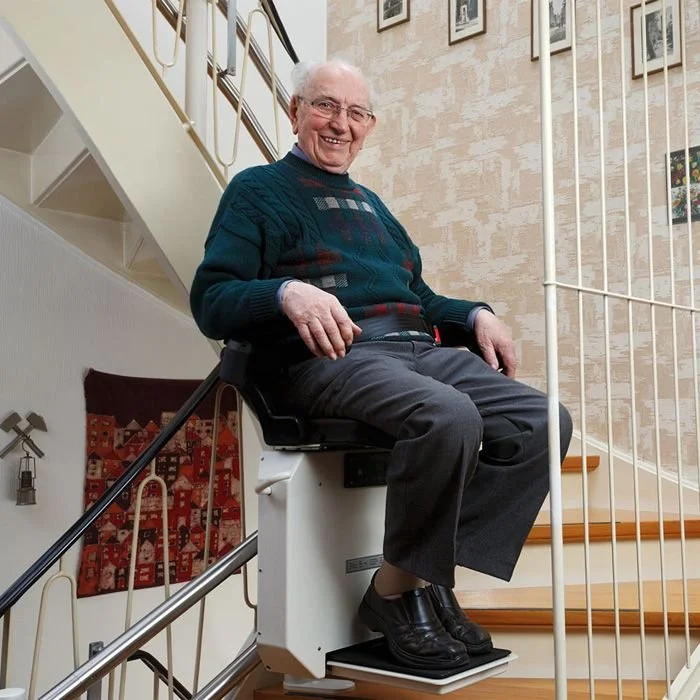
That sentence captures what many adults with mobility challenges experience long before they identify it as a loss of independence. When stairs become a barrier, daily life begins to shrink. Rooms go unused. Routines change. Choices become limited. Stairlifts do far more than move someone up and down steps. They give choice back. They restore access. They quietly expand daily life again.
This article explores how stairlifts improve daily independence for adults with mobility challenges. It looks beyond mechanics and focuses on how stairlifts reshape routines, confidence, and the ability to live fully at home.
Independence Is About Choice, Not Just Ability
Independence is often misunderstood as the ability to do everything without help. In reality, independence is about having control over one’s choices. It is about deciding when and how to move through one’s own home without fear or negotiation.
When stairs become difficult, independence erodes subtly. People begin planning their day around avoiding them. They may stay upstairs longer than intended. They may avoid going down at night. They may stop using rooms they once loved.
A stairlift restores choice. It allows movement to happen when desired, not only when energy or balance allows. This return of control is foundational to independence.
The Hidden Ways Stairs Limit Daily Life
Stairs do not just connect floors. They connect parts of daily life. Bedrooms, bathrooms, kitchens, living spaces. When stairs become a challenge, access to these spaces becomes conditional.
Adults with mobility challenges often adapt quietly. They move a bed downstairs. They avoid certain rooms. They limit trips up and down. These adaptations may seem practical, but they slowly reduce engagement with the home.
A stairlift removes the need for these compromises. All areas of the home remain accessible. Daily life no longer has to be reorganized around physical limitation.
Morning Routines Without Strain
Mornings set the tone for the day. For someone with mobility challenges, starting the day with a difficult descent down the stairs can drain energy and confidence before anything else happens.
A stairlift allows mornings to begin calmly. The transition from bedroom to kitchen or bathroom happens smoothly and safely. Energy is preserved for the activities that matter most.
This gentle start supports independence by reducing early fatigue and stress.
Regaining Access to the Entire Home
One of the most profound ways stairlifts improve independence is by restoring access to the full home. Rooms that were avoided become available again. Upstairs bathrooms, downstairs living spaces, and favorite corners regain their purpose.
This access supports more than convenience. It supports identity. Homes hold memories, routines, and comfort. Being able to move freely through them reinforces a sense of belonging and control.
A stairlift quietly returns the home to its owner.
Reducing Dependence on Others
Many adults with mobility challenges rely on others for help navigating stairs. This reliance can feel uncomfortable, even when offered lovingly. Asking for help repeatedly can erode confidence and create feelings of burden.
Stairlifts reduce the need for assistance. Adults can move between floors independently, on their own schedule. This autonomy strengthens self esteem and preserves privacy.
Independence grows when help becomes optional rather than required.
Supporting Safety Without Sacrificing Freedom
Safety concerns often drive decisions about limiting movement. Fear of falling on stairs leads some adults to restrict their own independence for the sake of safety.
Stairlifts offer a way to stay safe without staying still. They reduce fall risk while preserving freedom of movement. Adults no longer have to choose between safety and independence.
This balance is essential to living well with mobility challenges.
Confidence Builds With Predictable Movement
Unpredictability undermines confidence. When each step on the stairs feels uncertain, anxiety grows. Over time, that anxiety shapes behavior.
Stairlifts provide predictable, controlled movement. The ride feels the same each time. This consistency builds trust. Trust leads to confidence. Confidence leads to more active engagement with daily life.
Confidence is a quiet but powerful form of independence.
Conserving Energy for Meaningful Activities
Mobility challenges often come with fatigue. Climbing stairs can consume a disproportionate amount of energy, leaving less available for activities that bring joy or purpose.
By removing the physical effort of stair climbing, stairlifts help conserve energy. Adults can spend that energy cooking, socializing, working, or enjoying hobbies.
Independence is not just about movement. It is about how energy is spent.
Preserving Privacy and Dignity
Needing help on the stairs can compromise privacy. Assistance may require close physical support that feels intrusive, especially for adults who value autonomy.
Stairlifts allow movement without physical contact from others. Transfers happen privately and independently. This preservation of dignity supports emotional wellbeing.
Dignity is central to true independence.
Encouraging Continued Engagement With Daily Tasks
When stairs become barriers, people often limit tasks that require moving between floors. Laundry, household management, and personal routines may be reduced or delegated.
Stairlifts remove this barrier, allowing adults to remain engaged in daily tasks. Participation reinforces a sense of capability and usefulness.
Being able to contribute supports independence at an emotional level.
Supporting Aging in Place With Confidence
Many adults with mobility challenges want to remain in their homes for as long as possible. Stairs are often the deciding factor in whether that goal feels realistic.
Stairlifts make aging in place more achievable. They adapt the home to changing needs without requiring major renovation or relocation.
This adaptability allows adults to plan for the future with confidence rather than fear.
Reducing the Emotional Toll of Mobility Changes
Mobility changes can bring grief. Loss of ease. Loss of spontaneity. Loss of confidence. These emotions often go unspoken.
Stairlifts help counter this emotional toll by restoring a sense of normalcy. Movement becomes routine again rather than a reminder of limitation.
This emotional relief supports mental health and resilience.
Creating Predictable Daily Patterns
Predictability supports independence. When movement between floors is reliable, daily routines become easier to maintain.
Stairlifts create consistency. Adults know they can move when they want, without calculating risk. This predictability reduces anxiety and supports planning.
Routine is a foundation of independent living.
Supporting Balance and Stability Challenges
Balance issues often make stairs particularly dangerous. Even when walking is possible, balance may not be reliable.
Stairlifts remove the need for balance during stair navigation. Sitting securely during movement reduces risk and fear.
This support allows adults with balance challenges to move confidently through their home.
Maintaining Social Connection Within the Home
Social interaction often happens in shared spaces. If stairs limit access to these spaces, isolation can increase.
Stairlifts restore access to living rooms, dining areas, and gathering spaces. Adults remain connected to family and guests without physical barriers.
Connection supports emotional independence and wellbeing.
Adapting to Changing Mobility Over Time
Mobility challenges often change gradually. What feels manageable today may feel difficult tomorrow.
Stairlifts provide adaptability. They support current needs while accommodating future changes. This adaptability reduces the pressure to make reactive decisions later.
Planning ahead supports long term independence.
Reducing Fear of Falls
Fear can be as limiting as physical impairment. Fear of falling on stairs leads many adults to restrict movement unnecessarily.
Stairlifts reduce this fear by offering a safe alternative. Reduced fear encourages activity rather than avoidance.
Freedom from fear is a powerful form of independence.
Real Life Reflections on Daily Independence
I once spoke with someone who described their stairlift as giving them their house back. They no longer planned their day around avoiding stairs. They moved freely and confidently again.
Another person shared that they stopped asking for help on the stairs, which made them feel like themselves again. These reflections illustrate the quiet transformation stairlifts bring to daily life.
Supporting Family Relationships
When adults regain independence, family dynamics often improve. Loved ones worry less. Assistance becomes choice rather than obligation.
Stairlifts reduce tension and preserve respectful relationships.
Independence benefits everyone in the home.
Integrating Stairlifts Seamlessly Into the Home
Modern stairlifts are designed to integrate into homes discreetly. They fold away when not in use and blend into the environment.
This integration helps adults feel that their home remains their own, not a clinical space.
Comfort supports independence.
Planning for Installation Without Disruption
Professional installation ensures stairlifts fit the home and user properly. Planning minimizes disruption and ensures smooth integration.
Thoughtful installation supports immediate and long term use.
Conclusion
Stairlifts improve daily independence for adults with mobility challenges by restoring access, confidence, and choice. They transform stairs from barriers into pathways, allowing adults to move freely through their homes without fear or exhaustion. By supporting safety, conserving energy, and preserving dignity, stairlifts help individuals continue living life on their own terms.
At KGC, we believe independence should be supported, not limited, by mobility changes. Our approach to stairlift solutions focuses on safety, comfort, and thoughtful customization that fits each person and home. If you are exploring ways to maintain daily independence at home, our team is here to help you find a solution that truly supports your life.
You can reach our team through the KGC Contact Page.
