
How to Create a Whole Home Transfer System Using Ceiling Tracks
Introduction
The idea first surfaced during a late evening conversation when the house was quiet and the day’s care routines were finally done. A caregiver sat at the kitchen table, hands wrapped around a mug, eyes tired but thoughtful. They were not talking about tomorrow’s schedule or next week’s appointment. They were talking about the future. About how care was becoming more complex. About how moving from room to room had started to feel like a series of obstacles rather than a flow.
They said something simple that revealed everything.
It feels like every transfer is its own problem.
The bedroom required one setup. The bathroom another. The chair in the living room brought new challenges. Each transfer worked in isolation, but together they created fatigue, risk, and constant mental calculation. The home no longer felt like a single supportive space. It felt fragmented.
That is often the moment when the idea of a whole home transfer system begins to make sense. Not because one transfer failed, but because the sum of them all became unsustainable. Ceiling track systems offer a way to reconnect the home, turning separate rooms into a continuous, supportive environment where safe movement is possible without constant lifting, repositioning, or reinvention.
This article explores how to create a whole home transfer system using ceiling tracks. It looks at the philosophy behind whole home design, the practical considerations involved, and the profound difference this approach can make in long term care, recovery, and daily living at home.
Understanding What a Whole Home Transfer System Really Is
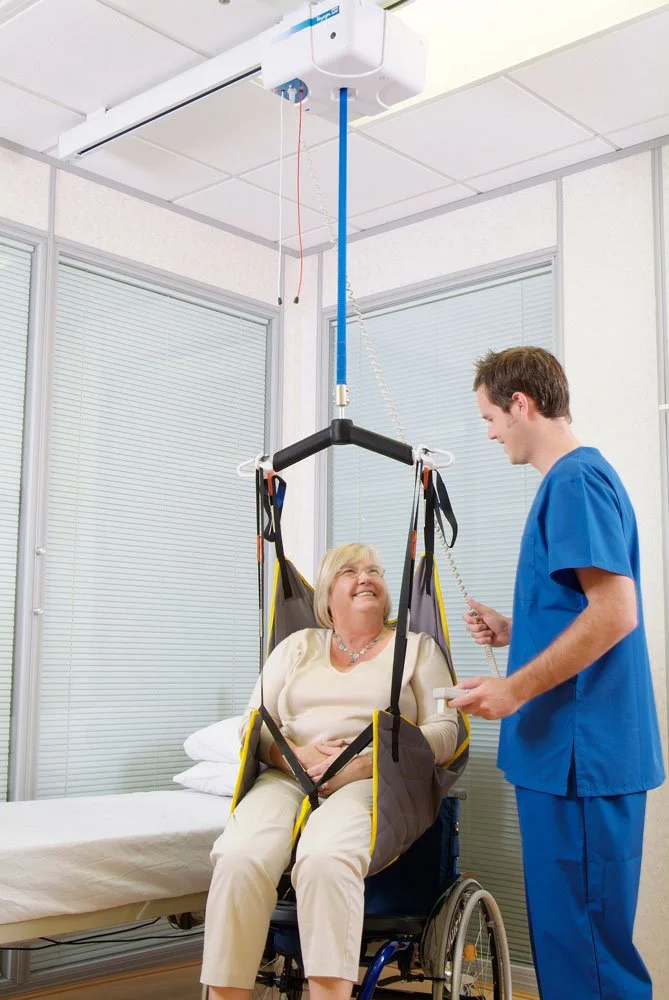
A whole home transfer system is not simply a lift installed in one room. It is a coordinated network of ceiling mounted tracks that allow safe transfers across multiple spaces in the home. Bedrooms, bathrooms, living areas, and sometimes hallways become connected by a system designed for smooth, predictable movement.
Instead of moving equipment to the person, the system moves with the person. Transfers become part of the environment rather than interruptions within it. This shift changes how care feels and functions.
The goal is not constant lifting. The goal is continuity. When the entire home supports safe movement, care becomes calmer, more efficient, and more dignified.
Why Single Room Solutions Often Fall Short
Many homes begin with a single ceiling lift installed in a bedroom. This often solves the most immediate challenge, such as bed transfers. However, over time, other needs emerge. Bathroom transfers remain difficult. Moving to a favorite chair becomes risky. Each new need requires additional equipment or manual assistance.
These isolated solutions can create a patchwork of care strategies that are difficult to manage. Caregivers must switch techniques between rooms. Equipment must be repositioned or swapped. Fatigue increases.
A whole home system addresses this fragmentation by creating a unified approach to movement. It reduces transitions between methods and supports consistency throughout the day.
The Philosophy of Designing for Flow Rather Than Tasks
Whole home transfer systems are built around the idea of flow. Instead of treating each transfer as a separate task, the home is designed to support continuous movement.
This philosophy mirrors how people naturally move through space. From bed to bathroom. From bathroom to kitchen. From kitchen to living room. When these pathways are supported by ceiling tracks, movement becomes smoother and less disruptive.
Flow reduces mental load for caregivers. It also reduces anxiety for the person being transferred, who no longer feels like each move is a new challenge.
Identifying the Key Spaces in the Home
Creating a whole home system begins with understanding how the home is used. Not every room needs to be connected. The most important spaces are those involved in daily routines.
Bedrooms are often the starting point. Bathrooms are typically the most challenging. Living areas matter for quality of life. Sometimes entryways or therapy spaces are included.
Walking through the home and observing daily patterns provides insight into where transfers happen most often. These observations guide system design.
The goal is to support real life, not hypothetical movement.
Connecting the Bedroom to the Bathroom
For many households, the most transformative connection is between the bedroom and the bathroom. This transition often involves multiple transfers and narrow spaces.
Ceiling tracks can be designed to move seamlessly from the bed area into the bathroom. This allows a person to be transferred directly without stopping, repositioning, or switching equipment.
This connection reduces risk during toileting and bathing, which are among the most vulnerable moments in care. It also preserves privacy and dignity.
Extending Support Into Living Spaces
Quality of life depends on more than basic care. Spending time in living spaces, sitting in favorite chairs, and engaging with others matters deeply.
Whole home systems can extend into living rooms or common areas, allowing safe transfers to seating without physical strain. This encourages participation and reduces isolation.
Care becomes less about survival and more about living.
Understanding Ceiling Track Configurations
Ceiling track systems can be configured in various ways to support whole home movement. Straight tracks support linear transfers. Curved tracks navigate corners. Switch systems allow movement between different track paths.
Designing a whole home system involves choosing configurations that match the home’s layout. This requires careful planning to ensure smooth transitions and minimal obstruction.
The result should feel intuitive rather than mechanical.
Structural Considerations and Home Assessment
Ceiling tracks rely on the home’s structure for support. Proper assessment is essential to ensure safety and stability. Professionals evaluate ceiling joists, load bearing points, and construction materials.
In some homes, reinforcement may be required. In others, existing structures provide sufficient support. These assessments are part of responsible system design.
Safety is foundational. A whole home system must feel as solid as the home itself.
Planning for Doorways and Hallways
Doorways and hallways often present challenges in whole home design. Ceiling tracks must navigate these transitions smoothly.
Specialized track designs allow lifts to pass through doorways without obstruction. Hallway tracks can connect rooms while remaining discreet.
Thoughtful planning ensures that movement between spaces feels seamless rather than interrupted.
Choosing the Right Lift Motor for Whole Home Use
The lift motor is the heart of the system. For whole home use, the motor must support frequent movement and longer travel distances.
Smooth start and stop functionality is essential. Battery capacity must accommodate extended use. Controls should be intuitive and reliable.
Choosing the right motor ensures that the system supports daily routines without strain or delay.
Sling Selection for Versatile Transfers
Whole home systems often require slings that support different types of transfers. Bed transfers. Toileting. Bathing. Seating.
Selecting slings that are compatible with multiple tasks reduces the need for frequent changes. Comfort, support, and ease of use matter greatly.
Sling choice influences how fluid the system feels in practice.
Supporting Caregiver Sustainability
Whole home systems are designed not only for the person receiving care, but also for caregivers. By reducing manual lifting and equipment repositioning, they protect caregiver health.
Caregivers experience less physical strain and less decision fatigue. This sustainability allows care to continue at home longer without burnout.
Protecting caregivers protects the entire care environment.
Creating Predictable Daily Routines
Consistency is a cornerstone of effective long term care. Whole home systems support predictable routines by standardizing transfers across spaces.
Caregivers know what to expect. The person receiving care feels secure. Anxiety decreases as routines become familiar.
Predictability builds confidence.
Adapting the System as Needs Change
One of the strengths of ceiling track systems is adaptability. As mobility changes, tracks can be extended or reconfigured. Additional rooms can be connected.
This flexibility allows the system to evolve without complete replacement. Planning for adaptability from the beginning supports long term use.
Change becomes manageable rather than disruptive.
Reducing Equipment Clutter in the Home
Portable equipment often clutters living spaces. Floor lifts, walkers, and transfer aids can make a home feel crowded and clinical.
Ceiling track systems free up floor space. They integrate into the architecture rather than occupying it. This restores a sense of normalcy to the home.
A home that feels like home supports emotional wellbeing.
Emotional Impact of a Unified System
There is an emotional shift that occurs when a whole home system is in place. Care feels less fragmented. The home feels supportive rather than restrictive.
The person receiving care often expresses relief at no longer being repositioned repeatedly. Caregivers feel calmer knowing the system will support each transfer.
This emotional ease improves daily life in subtle but meaningful ways.
Privacy and Dignity Across the Home
Whole home systems support privacy by reducing the need for multiple handling steps during transfers. Smooth movement allows care to happen quietly and respectfully.
This is especially important during personal care tasks. Dignity is preserved when care feels controlled and intentional.
Respect is built into the environment.
Training and Familiarity for Multiple Caregivers
In homes with multiple caregivers, whole home systems provide consistency. Training applies across all spaces. Caregivers do not need to learn different techniques for each room.
This consistency reduces error and improves safety.
Shared systems support teamwork.
Integrating With Professional Home Care
Whole home transfer systems align well with professional home care practices. They support best practices for safe transfers and reduce injury risk for staff.
This alignment improves continuity of care and supports collaboration between family and professional caregivers.
Planning Installation With Minimal Disruption
Installation of a whole home system requires careful planning to minimize disruption. Professionals coordinate installation in stages when needed and communicate clearly with families.
The goal is to improve daily life, not interrupt it unnecessarily.
Thoughtful installation respects the home and its occupants.
Real Life Reflections on Whole Home Systems
I once spoke with a family who initially installed a ceiling lift only in the bedroom. After months of struggling with bathroom transfers, they expanded to a whole home system. They described the change as transformative.
Another caregiver shared that the system allowed them to care for their loved one without constant fear of injury. They felt supported rather than overwhelmed.
These reflections highlight the power of comprehensive design.
Cost Considerations and Long Term Value
Whole home systems represent an investment. However, their long term value often outweighs initial costs. Reduced caregiver injury, fewer hospitalizations, and extended home care all contribute to value.
Families often find that investing in a unified system prevents future crises and expenses.
Value is measured in safety, sustainability, and peace of mind.
Designing With the Future in Mind
Creating a whole home transfer system is an opportunity to plan proactively. Anticipating future needs allows for smoother transitions as care evolves.
Planning ahead reduces emergency decisions and supports long term stability.
Conclusion
Creating a whole home transfer system using ceiling tracks transforms how care happens at home. It replaces fragmented solutions with a unified approach that supports safe, dignified movement across daily life. By connecting key spaces, reducing physical strain, and creating predictable routines, whole home systems support both caregivers and those receiving care.
These systems do more than assist with transfers. They restore flow, reduce stress, and make long term care more sustainable. At KGC, we believe homes should adapt to care needs without losing their sense of warmth and dignity. Our approach to ceiling track systems focuses on thoughtful design, safety, and long term support so families can care with confidence.
If you are considering a whole home transfer system and want guidance tailored to your home and needs, our team is here to help.
You can reach our team through the KGC Contact Page.
