
How Preventive Maintenance Can Extend the Life of Your Accessibility Equipment
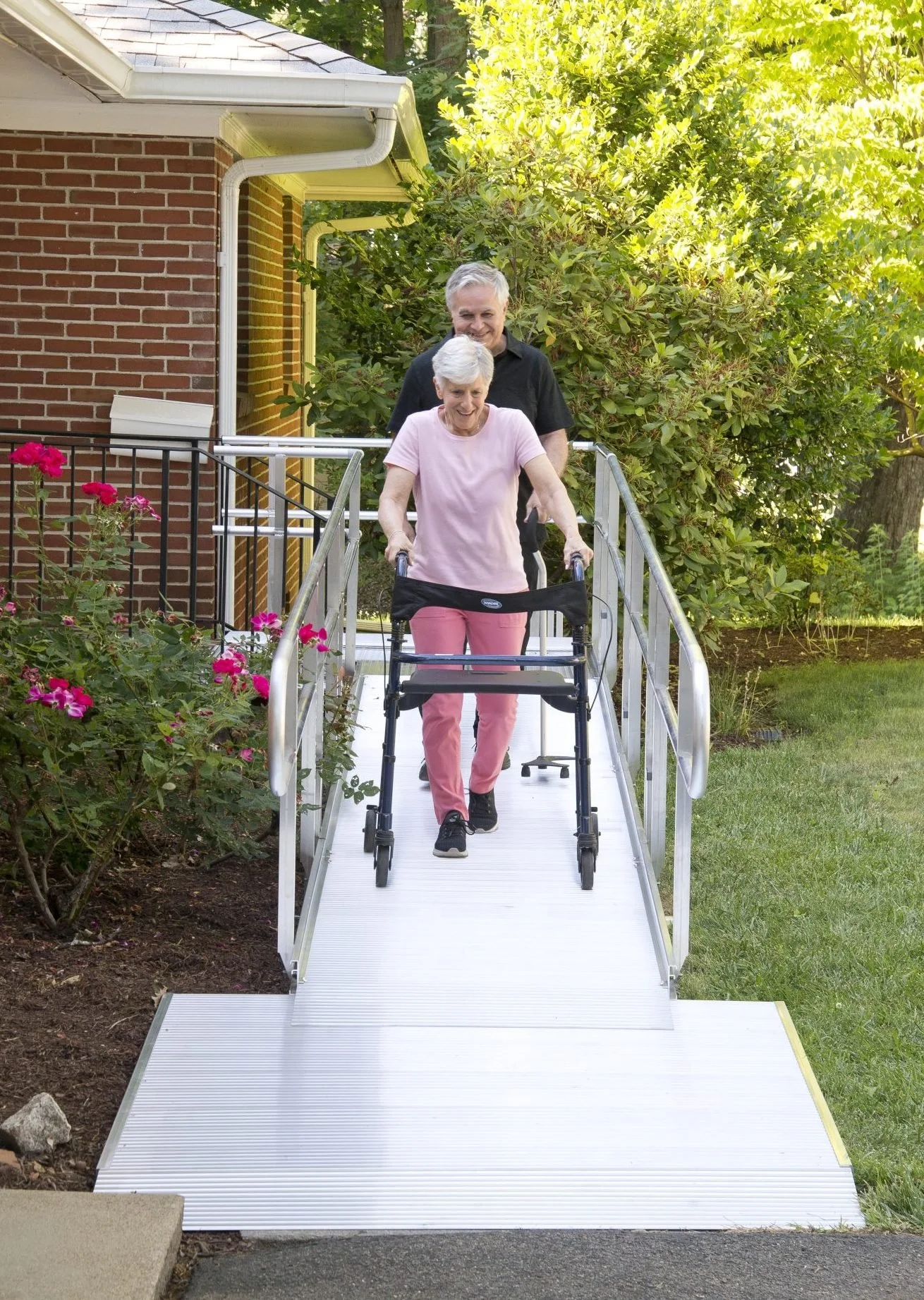
Accessibility equipment can make a significant difference in how people move through their homes, businesses, and other spaces. A stairlift can make a staircase easier to navigate. A vertical platform lift can provide wheelchair access between different levels. A patient lift can make transfers more manageable for both the person receiving care and the caregiver.
Once the equipment is installed and working properly, it can be easy to forget that it still needs attention.
Like a vehicle, appliance, or other mechanical system, accessibility equipment experiences wear every time it is used. Motors operate, batteries charge and discharge, moving parts travel along rails, sensors respond to conditions, and mechanical components carry loads repeatedly.
Preventive maintenance is about paying attention to those systems before a problem becomes a breakdown.
It does not mean replacing parts unnecessarily or servicing equipment simply because it has reached a certain age. Instead, preventive maintenance involves inspecting equipment, identifying developing problems, keeping components in appropriate condition, and addressing wear before it has a chance to affect the entire system.
For people who depend on accessibility equipment every day, this approach can be especially valuable.
What Preventive Maintenance Actually Means
Preventive maintenance is planned care intended to reduce the likelihood of unexpected equipment problems.
For accessibility equipment, this can include professional inspections, testing, cleaning, adjustments, battery checks, lubrication where appropriate, and replacement of worn components according to the manufacturer's recommendations.
The exact maintenance requirements depend on the type of equipment.
A stairlift has different maintenance needs from a vertical platform lift. A patient lift has different components from a residential elevator. An outdoor accessibility lift may also face environmental conditions that indoor equipment does not.
That is why maintenance should be based on the specific equipment rather than a one-size-fits-all schedule.
The manufacturer's instructions and recommendations should always be considered when determining what service is appropriate.
Accessibility Equipment Is Used More Than You May Realize
One reason maintenance matters is simple: accessibility equipment often gets a lot of use.
A stairlift may travel up and down the staircase several times a day. A patient lift may be used for multiple transfers. A platform lift at a business or public facility may be operated by different people throughout the day.
Every operating cycle places some amount of demand on the equipment.
Over time, normal wear can develop.
A component does not necessarily fail because something went wrong. Sometimes it simply reaches the point where it needs adjustment, servicing, or replacement after thousands of cycles.
Preventive maintenance gives a technician the opportunity to identify that wear while the equipment is still functioning.
Small Problems Can Become Larger Repairs
One of the biggest benefits of preventive maintenance is the opportunity to catch small issues early.
Consider a stairlift that begins making a faint unusual sound. The lift still works, so the homeowner decides to wait.
Several months later, the sound becomes louder and the stairlift begins moving less smoothly.
The original issue may have been relatively minor, but continued operation could potentially allow related components to experience additional wear.
The same principle can apply to other accessibility equipment.
A battery that is beginning to lose capacity may eventually leave equipment unable to operate when needed. A loose connection may contribute to intermittent operation. A worn component may place additional stress on another part of the system.
Preventive maintenance does not guarantee that failures will never happen. What it can do is give you a better opportunity to identify developing issues before they become larger problems.
Regular Inspections Help You Understand Equipment Condition
One of the practical benefits of professional maintenance is knowing what condition your equipment is actually in.
From the outside, accessibility equipment can look perfectly normal.
A stairlift may have a clean seat and an intact rail while developing an internal mechanical issue. A platform lift may look fine while a sensor or electrical component requires attention.
A trained technician can inspect components that the average user cannot easily evaluate.
That gives you information that is difficult to get from everyday use alone.
A maintenance appointment can confirm that the equipment is operating normally or identify something that deserves attention.
Both outcomes are useful.
Preventive Maintenance Can Protect Frequently Used Components
Different parts of accessibility equipment experience different types of wear.
Moving components tend to receive repeated mechanical stress. Batteries go through charging cycles. Controls are pressed repeatedly. Safety sensors may be exposed to dust or debris. Outdoor equipment may be exposed to moisture, temperature changes, and other environmental conditions.
Maintenance allows these components to be checked according to the needs of the particular equipment.
For example, a stairlift technician may inspect the rail and carriage, check the drive system, evaluate battery performance, and test safety functions.
A patient lift may require attention to its battery, motor, sling-related components, controls, and other parts.
A vertical platform lift may require inspection of its platform, drive system, controls, safety features, and travel path.
The goal is not to treat every piece of equipment exactly the same. It is to understand what each system needs to continue operating properly.
Battery Maintenance Is Particularly Important
Batteries are easy to overlook because they are not always visible during everyday use.
Many accessibility systems rely on rechargeable batteries, and those batteries have a limited service life.
A battery may gradually lose its ability to hold a charge. You may notice that the equipment does not operate for as long as it used to or that it requires charging more frequently.
Sometimes battery performance can change slowly enough that the user adapts without realizing there is a problem.
Preventive maintenance can help identify declining battery performance before it causes an unexpected interruption.
This is particularly important when the equipment is needed every day.
A professional can evaluate the battery and charging system and determine whether maintenance or replacement is appropriate.
Moving Parts Need Appropriate Care
Many accessibility systems include moving components that require appropriate maintenance.
A stairlift carriage travels along a rail. A patient lift uses mechanical components to raise and lower a person. A platform lift moves vertically between levels.
These systems are designed to handle repeated movement, but that does not mean the components can operate indefinitely without inspection.
Depending on the manufacturer's requirements, certain moving parts may need cleaning, adjustment, or approved lubrication.
It is important not to assume that adding lubricant to every moving component is helpful. Using the wrong product or applying it in the wrong location can cause problems.
Professional servicing ensures that maintenance is performed according to the equipment's requirements.
Safety Features Need Preventive Attention Too
Maintenance is not only about keeping equipment moving.
Safety features also need to be checked.
Depending on the type of equipment, these can include obstruction sensors, emergency controls, limit switches, interlocks, seat belts, platform gates, alarms, and other systems.
A safety feature can become worn, obstructed, damaged, or unreliable without causing an obvious problem during normal operation.
Regular professional inspections provide an opportunity to test those functions and identify concerns.
This is particularly important because safety systems should not be bypassed simply because they interfere with normal operation.
If a safety feature is preventing equipment from working, the underlying reason should be investigated.
Preventive Maintenance Can Improve Reliability
Reliability is particularly important for accessibility equipment because users may depend on it for essential daily activities.
A stairlift may provide access to a bedroom or bathroom on another floor.
A platform lift may be the primary way a wheelchair user enters a building.
A patient lift may be necessary for safe transfers.
When equipment fails unexpectedly, the inconvenience can be much greater than simply having to postpone the use of a machine.
Preventive maintenance helps reduce the likelihood of unexpected problems by giving potential issues a chance to be identified earlier.
There are no guarantees that equipment will never break down. Mechanical systems can fail unexpectedly. But planned maintenance is a practical way to manage equipment condition over time.
It Can Help Reduce Unexpected Disruptions
A complete equipment failure rarely happens at a convenient time.
If a stairlift stops working in the morning, someone may have difficulty reaching another floor. If a patient lift fails when a caregiver needs to perform a transfer, the situation can become more complicated. If a commercial platform lift is unavailable, it can affect how customers or visitors access a building.
Preventive maintenance does not eliminate every possible interruption.
What it can do is give you an opportunity to address known concerns before they turn into unexpected failures.
Scheduling service at a convenient time is generally easier than dealing with an emergency breakdown when the equipment is urgently needed.
Maintenance Can Help Identify Aging Components
Accessibility equipment does not necessarily need to be replaced simply because it has been installed for many years.
Age is only one factor.
The condition of the equipment, frequency of use, maintenance history, availability of replacement parts, manufacturer recommendations, and current performance can all matter.
Preventive maintenance can help identify components that are aging and may eventually need attention.
That allows homeowners and facility managers to plan rather than being surprised by a sudden failure.
A technician may tell you that a particular component is functioning properly but should be monitored. That information can be useful when planning future service.
A Maintenance History Makes Future Service Easier
Keeping records of maintenance and repairs may seem unnecessary when equipment is working normally, but the information can become valuable over time.
A service history can show when the equipment was inspected, which components were replaced, and what issues have occurred previously.
If a new technician needs to diagnose a problem years later, knowing what has already been done can provide useful context.
Maintenance records can also help homeowners keep track of recurring service needs.
You do not need a complicated system. Keeping service documents, repair information, and equipment details together is often enough.
Preventive Maintenance Is Not the Same as Repair
The two terms are sometimes used interchangeably, but there is an important difference.
Repair generally responds to a problem that has already occurred.
Preventive maintenance is performed to help keep the equipment in proper working condition and identify potential issues before they become failures.
For example, replacing a failed battery after a stairlift stops working is a repair.
Checking battery condition during a scheduled service visit and replacing it when it has reached the appropriate end of its service life is part of a preventive approach.
Both are necessary at different times.
The purpose of preventive maintenance is not to eliminate repairs altogether. It is to reduce avoidable problems and keep the equipment properly maintained.
The Environment Can Affect Equipment Life
Where accessibility equipment is installed can influence how it ages.
Indoor equipment generally faces different conditions from outdoor equipment.
Outdoor lifts may be exposed to rain, humidity, temperature changes, dust, and other environmental factors. Equipment installed in a garage or other semi-exposed area may also experience conditions that differ from a climate-controlled indoor space.
The surrounding environment should therefore be considered when planning maintenance.
A technician can identify whether environmental exposure appears to be affecting particular components and recommend appropriate care based on the equipment.
Clean Equipment Is Easier to Inspect
Cleaning is not a substitute for professional maintenance, but it can still play a role in equipment care.
Dust, dirt, debris, and other buildup can make it more difficult to see the condition of components.
Depending on the equipment, debris may also interfere with sensors, moving parts, tracks, or other areas.
Homeowners should follow the manufacturer's cleaning instructions rather than using random household products on specialized equipment.
Some components may need to remain dry, while others may require specific cleaning methods.
If you are unsure about what can safely be cleaned, ask your service provider.
Preventive Maintenance Can Help Preserve the User Experience
Maintenance is often discussed in terms of mechanical reliability, but there is another benefit: consistency.
A stairlift that starts, travels, and stops smoothly is easier to use.
A patient lift that operates predictably gives caregivers a more consistent experience.
A platform lift that responds properly to its controls makes everyday access simpler.
When equipment develops small problems, the user may gradually adjust to them.
They may start holding the controls differently, waiting longer for the lift to start, or avoiding certain uses because something feels uncomfortable.
Those adaptations can become so routine that the original problem is overlooked.
Maintenance provides an opportunity to bring the equipment back to the way it is intended to operate.
Following the Manufacturer's Recommendations Matters
There is no universal maintenance schedule that applies to every accessibility product.
The manufacturer knows how the equipment was designed and what components require attention.
That is why service recommendations should be based on the specific model whenever possible.
Factors such as frequency of use, installation environment, equipment age, and operating conditions may also influence maintenance requirements.
A professional service provider familiar with the equipment can help you understand what maintenance is appropriate.
Preventive Maintenance Can Help You Plan for Repairs
Another benefit is planning.
Suppose a technician identifies a battery that is still working but showing signs of age. Knowing that information allows you to plan for replacement instead of discovering the problem when the battery fails.
The same can apply to other components.
If something is approaching the end of its expected service life, you may have an opportunity to schedule the work at a convenient time.
For households that rely heavily on accessibility equipment, that predictability can make a significant difference.
When Should You Schedule Professional Maintenance?
The right service interval depends on the equipment.
Some systems may have manufacturer-specific maintenance schedules. Others may require attention based on usage, age, environment, or operating conditions.
The best approach is to follow the manufacturer's recommendations and work with a qualified service provider when professional inspection is required.
You should also request service outside the normal schedule if the equipment starts behaving differently.
Do not wait for the next routine appointment if there is a serious safety concern, visible damage, electrical problem, repeated unexpected stops, or other significant change.
Preventive maintenance works best when it is combined with paying attention to the equipment between scheduled visits.
What Homeowners Can Do Between Professional Service Visits
Professional maintenance is important, but everyday care also matters.
Users can follow the manufacturer's instructions, keep the equipment and surrounding area reasonably clear, avoid placing unnecessary loads on the system, and report unusual behavior when it occurs.
Do not ignore warning sounds or error messages.
Do not attempt unauthorized modifications.
Do not bypass safety features.
And do not assume that a problem is harmless simply because the equipment is still operating.
The person who uses the equipment most often is often the first person to notice a change.
That observation can be valuable.
When Preventive Maintenance May Not Be Enough
Maintenance can extend the useful life of properly functioning equipment, but there eventually comes a point when replacement may make more sense than continued repair.
The decision should not be based on age alone.
A professional may consider the condition of the equipment, frequency of repairs, availability of replacement parts, current safety requirements, manufacturer's support, and whether the equipment still meets the user's needs.
In some situations, continuing to repair an older system may not be the most practical long-term approach.
A professional assessment can help you understand the options.
The important thing is making that decision based on the condition and requirements of the equipment rather than waiting for a complete failure.
Preventive Maintenance Protects More Than the Equipment
Accessibility equipment represents a financial investment, but its value goes beyond the purchase price.
For many users, the equipment supports daily mobility, access, caregiving, or independence within the home.
When a lift or stairlift is unavailable, the effect can extend into other parts of daily life.
That is why maintenance should be viewed as part of caring for the accessibility system as a whole.
Keeping the equipment in good condition helps support the person who relies on it.
A Longer Equipment Life Starts With Consistent Care
No maintenance program can make accessibility equipment last forever.
All mechanical and electrical equipment eventually reaches the point where components need replacement or the system itself needs to be upgraded.
However, proper preventive maintenance can help you get the most practical service life from equipment that is otherwise in good condition.
It can identify wear, catch developing problems, support reliable operation, and give you better information about when repairs or replacement may eventually be needed.
The key is consistency.
A single service visit after years of neglect is not the same as regularly paying attention to the equipment throughout its life.
Keeping Your Accessibility Equipment Working for the Long Term
Accessibility equipment is often installed because someone needs a dependable way to move through a space.
That makes reliability especially important.
Preventive maintenance provides an opportunity to look after the equipment before problems become emergencies. It can help identify worn components, monitor battery performance, check safety features, and address smaller concerns before they have a chance to develop into larger repairs.
Whether you rely on a stairlift, patient lift, vertical platform lift, ramp system, or another accessibility solution, following the manufacturer's maintenance recommendations and arranging professional service when needed can make a meaningful difference over the life of the equipment.
Pay attention to changes in performance. Keep service records. Address warning signs promptly. And leave specialized repairs to qualified professionals.
Good equipment care is not about waiting for something to break. It is about keeping an important part of your accessibility system working properly for as long as it continues to meet your needs.
Professional Accessibility Equipment Service From KGC
At KGC, we understand that accessibility equipment plays an important role in everyday life. Whether it helps someone move between floors, access a home, or complete transfers more safely, reliable operation matters.
KGC can help with professional service and maintenance for accessibility equipment, including stairlifts, patient lifts, vertical platform lifts, and other mobility solutions. If you are noticing changes in performance or want to stay ahead of potential equipment problems, contact KGC to discuss your maintenance and service needs.
