
Emergency Mobility Equipment Repairs: What to Do When Your Lift Stops Working
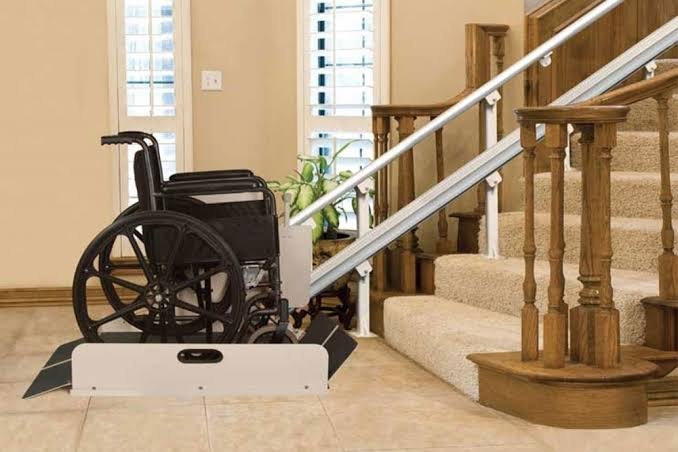
Mobility equipment is often something people rely on every day without giving it much thought. A stairlift helps someone move between floors, a patient lift makes transfers safer, and a vertical platform lift provides access to areas that might otherwise be difficult or impossible to reach. When everything is working properly, these systems become a normal part of the home or facility.
The situation changes quickly when a lift suddenly stops working.
A stairlift may stop halfway up the stairs. A patient lift may fail to raise or lower properly. A vertical platform lift may refuse to move from the platform. Even a problem that seems minor can create a serious access issue when someone depends on that equipment to get around.
Knowing what to do in that moment can prevent additional damage and, more importantly, help keep the person using the equipment safe.
An equipment failure does not always mean the entire system needs to be replaced. Sometimes the cause is a depleted battery, an obstruction, a control problem, a sensor issue, or a component that needs adjustment. Other problems require a trained technician to diagnose and repair.
The important thing is to respond carefully instead of trying to force the equipment to operate.
Start With Safety
The first priority when mobility equipment stops working is to make sure the person using it is safe.
If a stairlift stops while someone is riding it, the person should remain seated if the equipment is stable and there is no immediate danger. Trying to climb off suddenly or move around on the stairs can create another hazard.
If a patient lift stops during a transfer, the situation needs even more caution. The person should not be manually pulled or lifted out of the equipment unless there is a safe procedure and enough trained assistance to do so. Attempting to improvise a transfer can result in injury to both the individual and the caregiver.
For a vertical platform lift, the user should remain in a safe position on the platform and avoid attempting to force gates, barriers, controls, or other components.
If there is smoke, a burning smell, visible electrical damage, sparking, or another immediate hazard, stop using the equipment and follow the appropriate emergency procedures.
The exact response depends on the type of equipment and what has happened. The safest approach is always to avoid unnecessary movement until the situation has been assessed.
Do Not Keep Trying the Controls
When something stops working, it is natural to press the button again.
Sometimes people will continue pressing the controls, switching the system on and off, or trying different combinations because they hope the equipment will suddenly start working again.
That can make troubleshooting more difficult and may potentially worsen an existing problem.
If the lift has stopped unexpectedly, try the basic manufacturer-approved checks if you know them. If those checks do not resolve the issue, stop operating the equipment and contact a qualified service professional.
For example, if a stairlift stops and the controls are not responding, repeatedly pressing the controls is unlikely to solve a mechanical or electrical problem. If the lift is making an unusual sound, continuing to operate it could place additional stress on a component that is already failing.
A short pause to assess the situation is usually more useful than repeatedly trying to make the equipment move.
Check for Simple Problems First
Not every mobility equipment problem requires an emergency repair visit.
Some interruptions have relatively simple causes. Depending on the equipment, there may be an emergency stop button, a charging issue, an obstruction, a disconnected control, or another basic condition that can be checked safely.
For a stairlift, the equipment may not operate if the batteries are low or if the system is not properly positioned at a charging point. Some models also have safety sensors that prevent movement when an obstruction is detected.
A vertical platform lift may have a safety interlock or another feature that prevents operation when a gate is not properly closed.
Patient lifts may have battery-related issues, controls that need inspection, or other conditions that require service.
These checks should only be performed when they are specifically covered by the manufacturer's instructions or when a qualified professional has advised you what to check.
The goal is not to become your own repair technician. It is simply to determine whether the problem has an obvious and safe explanation.
Look for Anything Blocking the Equipment
Obstructions are worth checking because mobility equipment is often installed in areas where everyday objects can end up in the equipment's path.
A stairlift may encounter an object left on the stairs. A vertical platform lift may have something interfering with the platform or its travel area. A lift mechanism may also be affected by an object that has shifted into a moving area.
Do not reach into moving components or attempt to remove something from a dangerous position while the equipment is powered.
If the obstruction can be safely identified and removed without touching mechanical or electrical components, follow the manufacturer's instructions. If it cannot be removed safely, leave it alone and contact a professional.
A small object can sometimes stop a lift because modern equipment is designed with safety systems that detect conditions that could make continued movement unsafe.
The fact that the lift refuses to move does not necessarily mean the equipment itself has failed.
Pay Attention to What Happened Before the Failure
When you contact a service technician, one of the most useful things you can provide is a clear description of what happened.
Did the lift stop suddenly?
Was it moving more slowly than usual?
Did you hear a clicking, grinding, buzzing, or other unusual sound?
Did the equipment stop at the same location each time?
Was there an error message?
Did the problem happen while going up, going down, starting, or stopping?
Was the equipment working normally earlier in the day?
These details can help the technician understand where to begin.
For example, a stairlift that gradually became slower over several days presents a different troubleshooting situation from one that stopped suddenly without warning.
Likewise, a patient lift that works intermittently may point the technician toward a different area than one that has completely lost power.
You do not need to diagnose the problem yourself. Simply describing the symptoms accurately can be extremely helpful.
Check the Power and Battery Status
Power problems are a common reason mobility equipment may stop operating.
Many accessibility systems use rechargeable batteries. Stairlifts, patient lifts, and other equipment may rely on battery power even when they are connected to a charging system.
If the batteries are depleted, the equipment may stop working or operate differently than expected.
Check the equipment's normal charging indicators if they are visible and easy to access. Make sure the equipment is receiving power according to the manufacturer's instructions.
Do not open electrical components or attempt to replace wiring yourself.
If the equipment has been charging normally but the battery is no longer holding a charge, the issue may require professional attention. Batteries are consumable components and eventually need replacement.
A battery problem is also a good example of why regular maintenance matters. An aging battery may show warning signs before it completely fails.
What If the Lift Stops With Someone on It?
This is one of the situations that can cause the most anxiety.
If someone is stranded on a stairlift, platform lift, or another accessibility system, the first step is to remain calm and avoid unnecessary movement.
The person should use the equipment's emergency communication or safety procedures if the system has them. If the user has access to a phone, contacting a caregiver, family member, building staff, or service provider can also help.
Do not attempt to force the lift to move.
Do not try to manually push a stairlift along its rail.
Do not attempt to climb around the lift while it is positioned on the stairs.
Do not try to lift or carry a person out of a patient lift without an appropriate safe transfer plan.
The correct emergency procedure depends on the equipment and the person's circumstances. Manufacturers provide specific instructions for situations where equipment stops during use, and those instructions should be followed whenever possible.
If there is an immediate medical emergency or a serious safety concern, contact the appropriate emergency services.
When a Stairlift Stops Working
A stairlift failure can be particularly disruptive because the equipment may be the primary way someone accesses another floor.
The stairlift may stop unexpectedly, refuse to start, move intermittently, or stop at a particular point on the rail.
Possible causes can include battery problems, charging issues, obstructions, worn components, electrical faults, control problems, or safety sensors.
The user should avoid trying to bypass safety systems or operate the stairlift in a way that is not approved by the manufacturer.
If the lift remains in a position that blocks access to the stairs, do not attempt to force it out of the way. A technician can determine whether it can be safely moved and what caused the failure.
This is also why emergency service is valuable. A technician can look beyond the immediate symptom and determine whether the problem is likely to happen again.
When a Patient Lift Stops Working
Patient lifts require particular caution because they are directly involved in transfers.
If a patient lift stops while a person is suspended or partially transferred, the caregiver should follow the equipment's emergency lowering or backup procedures if they have been trained to do so.
Do not improvise.
Do not attempt to disconnect components.
Do not pull the person out of the sling simply because the equipment is not responding.
Patient lifts can support significant amounts of weight, and the consequences of an unsafe manual transfer can be serious.
If an emergency lowering feature is available, caregivers should already know how it works before an emergency occurs. Training is much easier when the equipment is functioning normally than when someone is suspended in a lift.
Regular inspection is also particularly important for patient lifts because battery condition, sling condition, controls, actuators, casters, and other components all contribute to safe operation.
When a Vertical Platform Lift Stops Working
Vertical platform lifts can provide essential access to raised entrances, decks, porches, and other levels.
When one stops working, the user may suddenly lose access to an entrance or another important area.
A vertical platform lift may stop because of a power issue, safety sensor activation, obstruction, control problem, gate or interlock issue, or mechanical fault.
Users should avoid standing in unsafe positions or attempting to open protective barriers while the lift is moving.
If the platform is stopped between levels, do not attempt to climb out unless the manufacturer's emergency procedure specifically provides for it and the situation can be handled safely.
A qualified technician can inspect the lift and determine whether the problem is related to the drive system, controls, safety equipment, power supply, or another component.
Know When It Is Time to Call for Emergency Service
Some problems should not be treated as minor troubleshooting issues.
If the equipment has stopped unexpectedly and will not restart after basic manufacturer-approved checks, professional service is appropriate.
The same is true when there is an unusual mechanical sound, repeated stopping, visible damage, electrical smell, smoke, sparking, fluid leakage, or a safety feature that does not appear to be functioning correctly.
A lift that works sometimes and fails other times should also be inspected rather than ignored.
Intermittent problems can be particularly frustrating because the equipment may appear to fix itself. But a temporary return to normal operation does not necessarily mean the underlying problem has disappeared.
In some cases, intermittent operation is an early warning that a component is wearing out or that an electrical or control issue is developing.
Do Not Bypass Safety Features
One of the most important rules during a mobility equipment failure is not to bypass a safety feature simply to get the lift moving.
Safety sensors, switches, interlocks, emergency stops, limit controls, and other protective systems exist for a reason.
Someone may be tempted to hold down a switch, tape a sensor, disconnect a safety mechanism, or find another workaround. Even if the equipment begins moving again, it may no longer be operating safely.
A temporary workaround can turn an equipment failure into a much more serious safety problem.
If a safety feature is preventing operation, the right question is not how to defeat it. The right question is why it has activated and whether the equipment needs professional inspection.
What a Professional Technician Will Check
When a technician arrives, the first step is generally to understand the symptoms and inspect the equipment.
The technician may examine the power supply, batteries, controls, switches, sensors, mechanical components, rails, drive systems, connections, and other equipment-specific parts.
The technician will also look for signs of wear, damage, loose components, obstruction, improper operation, or previous repairs that may have affected the system.
Testing may be performed to determine when and why the equipment stops.
The goal is not simply to make the lift move again.
A proper repair should address the underlying cause and confirm that the equipment operates safely after the work has been completed.
Depending on the problem, the repair may involve adjusting a component, replacing a worn part, addressing a battery issue, correcting an electrical connection, repairing a control system, or replacing another component.
Emergency Repair Does Not Always Mean Equipment Replacement
A sudden breakdown can make people immediately worry that they need a completely new lift.
That is not necessarily the case.
Accessibility equipment contains many individual components, and a failure in one part does not automatically mean the entire system has reached the end of its useful life.
A technician can evaluate the equipment's age, condition, repair history, availability of replacement parts, and overall performance before recommending whether repair or replacement makes sense.
For example, replacing a battery or worn component may restore normal operation. In other situations, repeated failures or obsolete components may make replacement worth discussing.
The important thing is to base that decision on the actual condition of the equipment rather than making assumptions during a stressful breakdown.
Keep Maintenance Records
Good maintenance records can make emergency repairs easier.
If you know when the equipment was installed, when the batteries were last replaced, when it was serviced, and what repairs have previously been performed, that information can help the technician.
Keep service reports, repair invoices, equipment manuals, and model information in an accessible location.
If the equipment is used by multiple caregivers or staff members, make sure they know where this information is kept.
During an emergency, searching for a model number or service history can be difficult. Having those details ready can save time.
Prepare Before an Emergency Happens
The best time to learn what to do when a lift stops is before it stops.
Anyone who regularly uses or assists with mobility equipment should understand the basic operating procedures and emergency features.
Caregivers should know how to recognize warning signs and who to contact when the equipment develops a problem.
For patient lifts, trained caregivers should understand emergency lowering procedures and safe transfer practices.
For stairlifts and vertical platform lifts, users should know how to use the controls, emergency stop functions, and any manufacturer-provided emergency procedures.
It is also worth keeping the service provider's contact information somewhere easy to find.
When a failure happens, having that information available can make the situation much less stressful.
Do Not Ignore Warning Signs Before a Breakdown
Emergency repairs are sometimes unavoidable, but many major failures are preceded by smaller changes.
The equipment may start moving more slowly.
A stairlift may make a new sound.
A battery may stop holding its charge as long as it once did.
A patient lift may behave differently during raising or lowering.
A platform lift may stop briefly before continuing.
Controls may become less responsive.
These changes should not automatically be treated as normal aging.
If equipment behaves differently from the way it normally does, it is worth having it checked.
Addressing a developing issue during a scheduled service visit can be much easier than dealing with a complete breakdown when the equipment is needed immediately.
Regular Maintenance Can Reduce Emergency Problems
Preventive maintenance does not guarantee that equipment will never fail, but it can help identify problems before they become larger issues.
During routine service, a professional can inspect components that may not be obvious to the everyday user.
Batteries can be checked. Moving components can be inspected. Safety systems can be tested. Wear can be identified. Connections and controls can be evaluated.
This gives homeowners, caregivers, and facility managers an opportunity to address developing problems before they interfere with daily access.
For equipment that is used frequently, regular maintenance is especially valuable because repeated operation naturally puts wear on components.
Think About the Person Who Depends on the Equipment
A broken lift is not simply a broken piece of equipment.
For someone who relies on it, the impact can be immediate.
A stairlift failure may mean the person cannot comfortably reach a bedroom or bathroom.
A patient lift problem may affect a caregiver's ability to complete a safe transfer.
A vertical platform lift failure may prevent someone from entering or leaving a building independently.
That is why response time matters when accessibility equipment fails.
It is also why professional repair should focus on more than the immediate mechanical problem. The technician needs to understand how the equipment is being used and what role it plays in the person's daily routine.
Have a Backup Plan When Possible
Some situations require a backup plan, particularly in residential care settings, healthcare environments, and facilities where mobility equipment is essential.
A backup plan might involve knowing another accessible entrance, identifying a safe alternative transfer method, having trained staff available, or knowing who to contact for emergency service.
The backup plan should never involve unsafe improvisation.
For example, if a person normally uses a patient lift and it becomes unavailable, caregivers should follow the individual's established care and transfer procedures rather than suddenly attempting a technique they have not been trained to perform.
Planning ahead is especially useful when equipment is older, heavily used, or undergoing scheduled repairs.
When Repair Should Be Scheduled Instead of Treated as an Emergency
Not every equipment issue requires an immediate emergency response.
A minor cosmetic issue, routine battery replacement, general cleaning, or planned adjustment may be appropriate for a scheduled service appointment, provided the equipment remains safe to use.
The challenge is knowing the difference.
If you are unsure whether a problem is safe to wait on, it is better to contact a qualified service provider and describe the symptoms.
A professional can help determine whether the equipment should remain out of service until it is inspected.
When in doubt, don't rely on the fact that the lift still technically works. A piece of equipment can continue moving while developing a problem that needs attention.
Professional Repair Protects More Than the Equipment
Mobility equipment represents a significant investment, but its value is closely connected to how reliably it performs.
Professional repair helps address the actual cause of a failure instead of simply treating the symptom.
It also gives the technician an opportunity to identify other problems that may affect future operation.
For a homeowner, this can help avoid repeated breakdowns. For a caregiver, it can make daily transfers more predictable. For a facility, proper service can help keep accessibility equipment available for the people who depend on it.
Most importantly, professional service helps ensure that repairs are performed with the equipment's safety systems and intended operation in mind.
Conclusion
When a stairlift, patient lift, vertical platform lift, or other mobility system suddenly stops working, the first response should be safety—not frustration and not experimentation.
Keep the user in a safe position. Stop unnecessary operation. Follow the manufacturer's emergency instructions. Check only the basic items you are qualified and instructed to check. If the problem continues, contact a professional service provider.
Avoid forcing the equipment to move, bypassing safety features, opening electrical components, or attempting an unfamiliar repair.
A breakdown does not automatically mean the equipment needs to be replaced. In many cases, a qualified technician can identify the problem, repair the affected component, test the system, and return the equipment to normal operation.
Regular maintenance can also help reduce the number of unexpected problems by catching wear and developing issues before they turn into complete failures.
At KGC Access, we understand how important reliable mobility equipment can be to everyday life. Whether you need service for a stairlift, patient lift, vertical platform lift, or another accessibility system, professional support can help you address problems safely and keep your equipment working as it should.
If your mobility equipment has stopped working or you have noticed changes in its performance, contact KGC Access to discuss your repair or service needs.
