
5 Warning Signs Your Mobility Lift Needs Immediate Attention
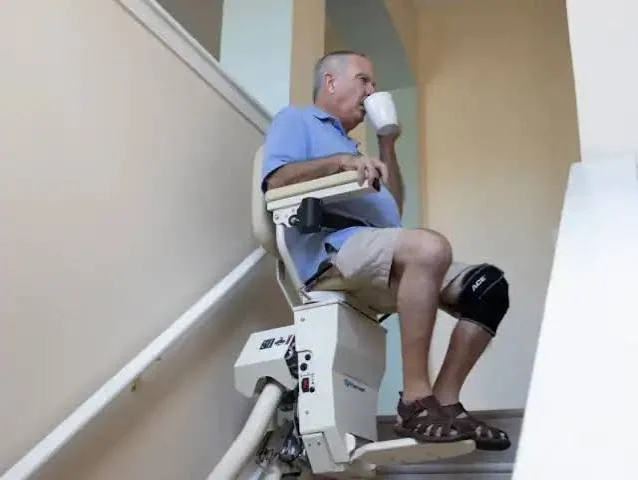
Mobility lifts can make a major difference in how someone gets around a home, business, or other building. For a wheelchair user, a vertical platform lift can provide access between different levels without requiring the person to navigate stairs. A patient lift can make transfers safer and more manageable for both the individual and the caregiver. Other accessibility lifts can serve different purposes, but they all have one thing in common: people depend on them to work properly.
That is why changes in performance deserve attention.
A mobility lift does not always fail suddenly. In many cases, there are warning signs beforehand. The lift may begin making an unfamiliar sound, move differently, stop unexpectedly, or show a problem with its controls. These changes can be easy to dismiss, especially when the equipment still works most of the time.
But when a lift is showing unusual behavior, continuing to use it without finding out why can create unnecessary risk.
Not every minor issue means the lift is unsafe or requires an emergency repair. However, certain warning signs should be treated more seriously than others. If a mobility lift is behaving differently from normal, the safest approach is to stop and determine whether professional service is needed.
Here are five signs that should not be overlooked.
1. The Lift Moves Suddenly, Jerks, or Does Not Travel Smoothly
One of the clearest warning signs is a noticeable change in the way the lift moves.
A properly functioning mobility lift should provide controlled movement appropriate to its design. If the platform suddenly jerks when starting or stopping, hesitates during travel, vibrates unusually, or appears to move unevenly, something may need to be inspected.
The change may be subtle at first.
You might notice that the lift takes longer to start moving. Perhaps there is a brief pause before the platform begins traveling. It may also feel as though the lift is stopping and starting instead of moving consistently.
For someone standing on the platform, sitting in a wheelchair, or being transferred with a patient lift, unexpected movement can be particularly concerning. A person may lose their balance or feel less secure if the equipment behaves differently than expected.
There can be several reasons for unusual movement, depending on the type of lift. Mechanical components may be wearing, the drive system may need attention, or an electrical or control issue may be affecting operation.
The important point is that the user should not have to diagnose the cause.
If the movement has noticeably changed, stop using the lift if the behavior appears unsafe and contact a qualified professional for an inspection.
A technician can determine whether the issue is a minor adjustment, routine wear, or something that requires repair before the lift is returned to regular use.
2. You Hear a New or Unusual Sound
Most mechanical equipment makes some noise while operating. What matters is a change from normal.
If your mobility lift has always produced a familiar operating sound and suddenly begins making a grinding, squealing, clicking, knocking, or buzzing noise, pay attention.
A new noise can sometimes be an early indication that a component is wearing or that something is not operating as it should.
For example, a lift may sound normal when moving upward but make a grinding noise while traveling down. A platform lift might begin producing a clicking sound at a particular point along its travel path. A patient lift may develop a sound from the motor or another mechanical component that was not present before.
These observations can be useful to a service technician.
Do not assume that a strange noise is harmless simply because the lift continues moving.
At the same time, there is no need to panic every time equipment makes a sound. The goal is to recognize a meaningful change in normal operation.
If you hear something new, try to remember when it occurs and whether it happens consistently. If the noise is accompanied by jerky movement, an error message, a burning smell, or another unusual symptom, stop using the equipment and seek professional assistance.
Attempting to identify the source by opening the lift or reaching into moving components is not recommended.
A trained technician can inspect the equipment safely and determine what is happening.
3. The Lift Stops Unexpectedly or Fails to Complete Its Travel
A mobility lift that stops unexpectedly should be taken seriously.
A lift may stop for different reasons. Some systems are designed to stop when a safety sensor detects an obstruction or another condition requiring attention. In other cases, a power issue, control problem, mechanical fault, or other condition may cause the equipment to stop.
If the reason for the stop is obvious and the manufacturer's instructions provide a safe user-level solution, that information can be followed.
However, repeated or unexplained stops should not be treated as normal.
Imagine a wheelchair user is traveling between two levels using a vertical platform lift. The lift stops partway through the journey and then works again after the controls are used. It might be tempting to assume that everything is fine because the lift eventually completes the trip.
That is not necessarily the case.
An intermittent problem can sometimes become more frequent over time. Continuing to operate equipment that is stopping unexpectedly may also leave someone stranded in a difficult position.
If the lift repeatedly stops, does not reach its intended destination, or behaves unpredictably, it should be professionally evaluated.
The same principle applies to patient lifts.
If a patient lift stops responding normally during a transfer, the caregiver should not continue trying to force the equipment to operate. The individual should be kept in the safest possible position while the situation is addressed according to the equipment's instructions and the caregiver's established procedures.
When a lift does not complete its normal operation, there is a reason to investigate.
4. The Controls, Sensors, or Safety Features Are Not Working Correctly
A mobility lift relies on more than its motor to operate safely.
Controls and safety features are an important part of the system. Depending on the type of lift, these may include emergency controls, obstruction sensors, interlocks, limit switches, emergency stop functions, seat or sling-related components, alarms, or other safety mechanisms.
If one of these features is behaving differently, it should not be ignored.
Perhaps a control does not respond every time. Maybe a sensor repeatedly triggers when there is no obvious obstruction. An emergency stop does not seem to function normally. A door or gate interlock does not behave as expected.
These are not situations where it is appropriate to simply work around the problem.
Safety features exist for a reason.
Never disable, bypass, tape down, or otherwise defeat a safety feature because it is preventing the lift from operating. Doing so can create a much more serious problem than the original fault.
Instead, have the equipment inspected by someone qualified to service that particular type of lift.
A professional can determine whether the problem involves the control system, sensor, wiring, adjustment, or another component.
5. You Notice a Burning Smell, Smoke, Sparks, or Other Serious Electrical Warning
Some warning signs require immediate action.
A burning smell, smoke, visible sparks, damaged electrical wiring, or signs of overheating should never be treated as a normal part of lift operation.
If you notice one of these conditions, stop using the lift and follow the manufacturer's emergency procedures. Do not continue operating the equipment to see whether the problem goes away.
Electrical problems can have different causes, and it is not possible to determine the seriousness of an issue simply by looking at the equipment from the outside.
A burning smell may come from an electrical component, motor, wiring, or another source. Whatever the cause, it warrants professional attention.
Do not open electrical compartments or attempt to repair wiring yourself unless you are specifically qualified and authorized to perform that work.
If there is smoke or an active electrical hazard, follow appropriate emergency procedures for the situation.
The key point is simple: unusual electrical smells or visible electrical damage are not problems to monitor while continuing normal use.
Why Small Changes Should Not Be Ignored
Mobility equipment does not always announce a problem with a complete breakdown.
Often, the first indication is a small change that develops gradually.
The lift may take slightly longer to start. The motor may sound different. The platform may hesitate at a particular point. A control may work inconsistently. A battery may not hold its charge as well as it once did.
Because the equipment is still technically working, it is easy to keep using it.
That can be a mistake.
A mobility lift is designed to perform a specific job for someone who may depend on it for everyday access or transfers. If the equipment is not performing normally, finding out why is better than assuming the problem will correct itself.
This does not mean every unusual sound requires an emergency technician visit. It means changes should be taken seriously enough to evaluate.
What Should You Do If Your Lift Shows a Warning Sign?
The right response depends on the severity of the problem.
If the lift is operating normally but you have noticed a minor change, contact a qualified service provider and explain what you have observed. They can advise whether the equipment should be inspected.
If the lift is behaving unpredictably, moving in an unsafe manner, repeatedly stopping, or experiencing a significant safety-related problem, discontinue use until it has been evaluated.
If there is smoke, burning, sparks, or another immediate hazard, stop using the equipment and follow appropriate emergency procedures.
One of the most useful things you can do is describe the problem accurately.
Instead of saying, “The lift is acting weird,” explain what actually happens.
Does it stop halfway? Does it move more slowly? Does the motor sound louder? Does the control fail intermittently? Does the issue happen every time or only occasionally?
Specific information can help the technician determine what needs to be checked.
Do Not Try to Force a Mobility Lift to Operate
When a lift stops working, frustration is understandable.
If someone needs to get upstairs or a caregiver is trying to complete a transfer, there can be a strong temptation to press the controls repeatedly, restart the equipment, push the platform, or find another way to make it operate.
Avoid forcing the equipment.
Mobility lifts are designed with specific operating procedures, and attempting to overcome a fault can make the situation worse.
If the equipment has a reset procedure described in the manufacturer's instructions, follow it only as directed. If the problem continues, professional service is appropriate.
A lift that needs to be reset repeatedly is still a lift that needs to be investigated.
Professional Inspection Can Identify Problems You Cannot See
One reason professional servicing matters is that not every problem is visible.
A lift may look perfectly normal from the outside while a mechanical, electrical, or control component is beginning to fail.
A trained technician can examine the equipment using the appropriate diagnostic and inspection procedures.
They can also consider how different components interact.
For example, if a platform lift is stopping unexpectedly, the issue may not be with the motor. A sensor, control, electrical connection, or another component could be contributing to the problem.
Similarly, if a patient lift is having difficulty during operation, simply assuming the battery is responsible may overlook another issue.
Proper diagnosis helps ensure that the actual cause is addressed.
The Type of Mobility Lift Matters
The warning signs discussed above can apply broadly to mobility equipment, but the specific concerns can vary depending on the type of lift.
A vertical platform lift has different components and operating requirements from a patient lift.
A stairlift has its own rail, carriage, seat, drive system, and safety features.
A patient lift may involve a motor, boom, sling, spreader bar, caster system, battery, and controls.
An outdoor platform lift also has to operate in an environment where weather and exposure can affect equipment over time.
For that reason, service should be performed by someone familiar with the specific type and model of equipment.
The manufacturer's recommendations should also be followed.
Regular Maintenance Can Help Catch Problems Earlier
Immediate attention and routine maintenance serve different purposes.
Immediate attention is appropriate when something has changed or a safety concern has developed.
Routine maintenance, on the other hand, gives a technician an opportunity to inspect the equipment even when it appears to be working normally.
Regular service may identify worn components, battery problems, loose connections, or other issues before they develop into an unexpected breakdown.
How often equipment should be serviced depends on the manufacturer, model, frequency of use, environment, and other factors.
Following the recommended maintenance schedule is a practical part of keeping accessibility equipment in good operating condition.
Keep Track of Repairs and Service
It can be helpful to maintain a simple record of professional service.
Keep information about when the equipment was serviced, what was inspected, what was repaired, and which parts were replaced.
This becomes particularly useful as equipment gets older.
A service history can help technicians understand previous problems and identify patterns. It can also help homeowners know when a component was last replaced or inspected.
You do not need a complicated system.
Keeping service paperwork and relevant equipment information in one accessible location can be enough.
Know When a Problem Is More Than Routine Wear
Mobility equipment is used repeatedly, so some wear is expected.
The challenge is knowing the difference between normal wear and a problem that needs attention.
That is where professional assessment becomes useful.
A technician can determine whether a component simply needs routine maintenance, whether an adjustment is appropriate, or whether replacement or repair is necessary.
Homeowners should not be expected to make that determination based solely on appearance.
If something has changed, report it.
The earlier a technician knows about a developing problem, the more information they have to work with.
Why Safety Features Should Never Be Bypassed
When a mobility lift refuses to operate, it may be because one of its safety systems has detected a condition that needs attention.
It can be frustrating, especially when the user knows there is no obvious problem.
However, bypassing the safety system is not an appropriate solution.
Removing a sensor, holding down a switch, disabling an interlock, or modifying the equipment can interfere with the way the manufacturer designed the lift to operate.
If a safety feature appears to be preventing normal operation, have the system checked.
The goal is to find out why the safety system is being triggered, not to make it stop triggering.
When a Mobility Lift Is Essential to Daily Life
For many people, a mobility lift is not an optional convenience.
It may be the only practical way to reach another level of the home. It may allow a wheelchair user to enter a building independently. It may help a caregiver transfer someone who cannot safely stand or walk.
That level of dependence makes equipment reliability especially important.
A problem that might seem minor on another piece of equipment can have a much greater impact when the lift is essential to everyday mobility.
This is why unusual behavior should be taken seriously.
If something does not feel right, it is better to ask a qualified professional than to assume the issue will resolve itself.
Preparing for a Service Call
If you need professional assistance, gather as much useful information as possible.
Know the type of lift and, if available, the manufacturer and model.
Write down what you noticed and when it started.
If there is an error code or warning indicator, record it.
If the problem happens intermittently, note what was happening when it occurred.
For example, perhaps the lift works normally for the first few trips but begins stopping after repeated use. Maybe the issue occurs only when traveling in one direction.
These details can help the technician understand the situation before beginning the inspection.
A Mobility Lift Should Be Predictable
The most important quality of accessibility equipment is not that it has the latest features or the most sophisticated controls.
It is that the equipment performs its intended function consistently and safely.
Users should be able to operate the lift according to the manufacturer's instructions without wondering whether it will suddenly behave differently.
That is why changes in movement, sounds, stopping behavior, controls, or safety features deserve attention.
A predictable lift is easier for the user and caregiver to rely on.
Don't Wait for a Complete Breakdown
One of the easiest ways to turn a manageable problem into a major inconvenience is to wait until the equipment stops completely.
If a lift is already showing warning signs, continuing to use it without having the issue checked may allow the underlying problem to develop further.
This is especially important when the lift is heavily used or essential to someone's daily routine.
Professional attention does not necessarily mean an expensive repair.
Sometimes the issue is a simple adjustment or maintenance concern. The important thing is having the equipment properly evaluated so you know what you are dealing with.
Keeping Your Mobility Equipment Reliable
Mobility lifts are designed to remove barriers and make movement easier. When they are properly maintained and operating correctly, they can become an important part of a person's everyday routine.
But like any mechanical and electrical equipment, they can develop problems.
The warning signs should not be ignored. Sudden or jerky movement, unusual sounds, unexpected stops, problems with controls or safety features, and signs of electrical trouble are all reasons to pay attention.
If a problem affects the safe operation of the equipment, discontinue use and seek professional assistance rather than trying to work around the issue.
Regular maintenance can also help identify developing problems before they lead to an unexpected breakdown.
Professional Mobility Lift Support From KGC
At KGC, we understand how important reliable accessibility equipment can be for homeowners, wheelchair users, caregivers, and families. When a mobility lift starts behaving differently, getting the right information and professional attention can help prevent a small concern from becoming a larger problem.
Whether you have a vertical platform lift, patient lift, stairlift, or another accessibility solution that needs inspection, maintenance, troubleshooting, or repair, KGC can help you determine the appropriate next step.
If your mobility lift is showing any warning signs or you simply want to make sure your equipment is operating as it should, contact KGC to discuss your service needs.
