
Why Caregivers Prefer Overhead Lifts Over Portable Floor Lifts
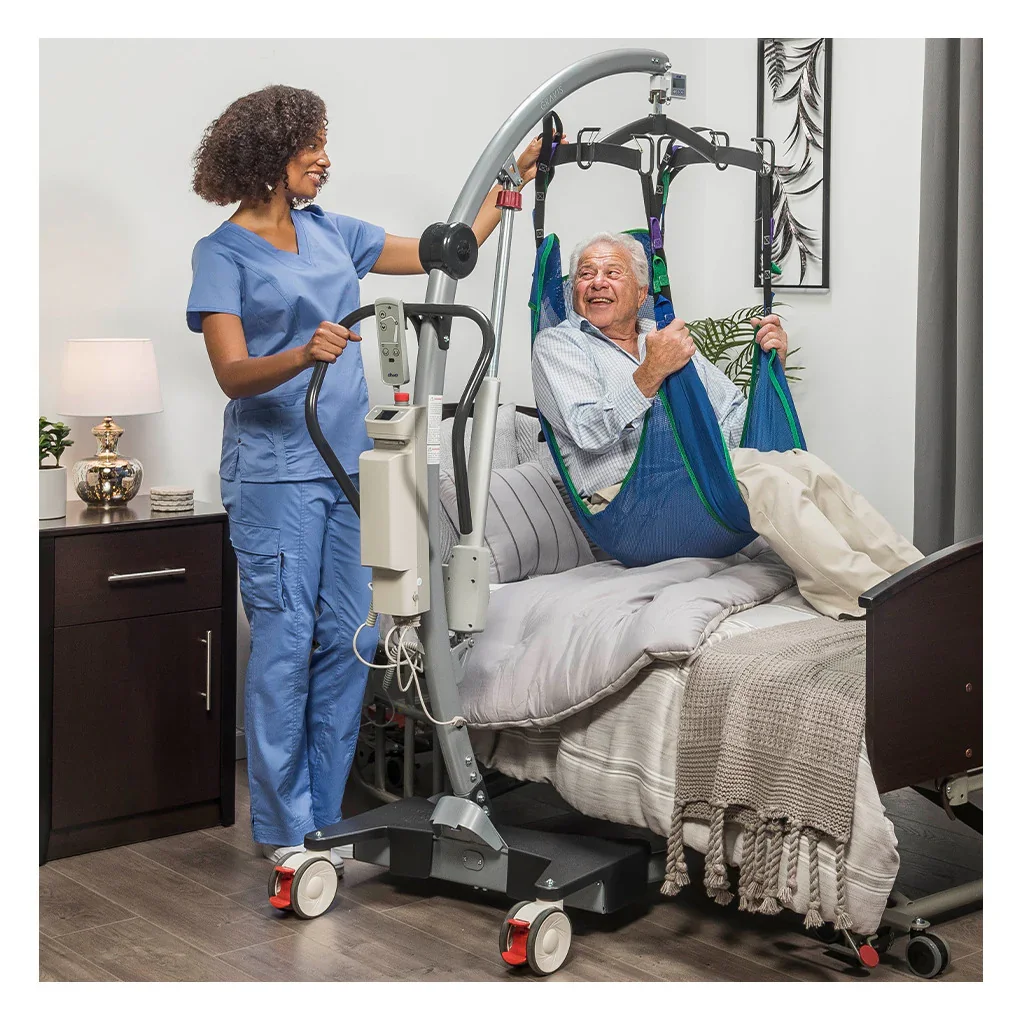
The realization often arrives during an ordinary moment. A caregiver prepares to help a loved one move from bed to chair, carefully positioning feet, adjusting posture, and bracing muscles before lifting. What once felt manageable now requires planning, effort, and a quiet hope that nothing goes wrong.
Caregiving rarely begins with specialized equipment. Many families start with determination and creativity, using whatever tools are immediately available. Portable floor lifts frequently serve as the first introduction to mechanical transfer assistance. They offer mobility, flexibility, and an accessible starting point for families learning how to navigate changing mobility needs.
Yet over time, many caregivers transition toward overhead lift systems. The shift does not happen because floor lifts fail entirely, but because daily experience reveals how much easier and safer caregiving can become when transfers integrate seamlessly into the home itself.
The Difference Between Helping and Lifting
Caregivers quickly learn that assisting movement and physically lifting someone are two very different tasks. Portable floor lifts still require pushing, positioning, steering, and maneuvering around furniture. Even with mechanical support, the caregiver remains heavily involved in managing the equipment’s weight and direction.
An overhead lift changes this experience fundamentally. Mounted to ceiling tracks, the lift moves above the caregiver and the individual receiving care. Instead of pushing equipment across floors, caregivers guide gentle motion from above.
The distinction may sound subtle, yet it transforms the physical experience entirely. Caregivers shift from exertion to assistance. Transfers feel calmer, smoother, and less physically demanding.
Reducing Physical Strain Day After Day
One of the most common reasons caregivers prefer overhead lifts is sustainability. Long term caregiving involves repetition. Transfers happen multiple times daily, sometimes for years.
Portable lifts can become tiring to maneuver, particularly on carpeted floors, in tight spaces, or around furniture layouts that were never designed for medical equipment. Even small efforts accumulate into fatigue.
Overhead systems eliminate rolling resistance. There are no wheels to push, no wide bases to navigate, and no need to reposition heavy equipment before every transfer. Caregivers conserve energy, reducing the risk of back injuries and chronic strain.
Many caregivers describe the change as moving from hard work to confident caregiving.
Creating Smoother Daily Routines
Home care routines often revolve around timing. Morning hygiene, meals, therapy exercises, and rest periods require coordination. Portable lifts can slow these routines because they must be retrieved, positioned, adjusted, and stored repeatedly throughout the day.
Overhead lifts remain ready at all times. With the track already installed, transfers begin immediately. This accessibility encourages more frequent movement, which supports circulation, comfort, and overall well being.
Caregivers appreciate how the day flows more naturally when equipment becomes part of the home rather than an obstacle within it.
Improving Safety for Both People Involved
Safety remains at the heart of caregiver preference. Portable lifts, while valuable, depend heavily on proper positioning and floor conditions. Uneven surfaces, narrow hallways, or cluttered spaces can introduce challenges.
Overhead lifts remove many of these variables. The ceiling mounted track provides stable support throughout the transfer. Movement occurs along a defined pathway, reducing the likelihood of tipping, sudden shifts, or accidental collisions.
Caregivers gain peace of mind knowing the transfer environment remains consistent every time.
Enhancing Comfort and Emotional Confidence
Comfort during transfers affects emotional well being as much as physical safety. Individuals receiving care may feel anxious when equipment must be rolled into position or adjusted repeatedly around them.
Overhead lifts offer a more discreet experience. The system operates quietly above eye level, allowing transfers to feel less clinical and more integrated into everyday living.
Many individuals report feeling more secure because movement feels smooth and predictable. Caregivers notice increased cooperation and reduced anxiety, which strengthens trust within the caregiving relationship.
Working Better in Smaller Spaces
Homes rarely resemble hospital rooms. Bedrooms, bathrooms, and living areas often have limited clearance. Portable floor lifts require wide bases for stability, which can make navigation challenging in tighter layouts.
Overhead lifts excel in these environments. Because support comes from above, floor space remains open. Furniture arrangements can remain comfortable rather than rearranged around equipment.
The home retains its warmth and personality while still supporting accessibility.
Encouraging Independence and Participation
When transfers become easier, individuals often participate more actively in daily routines. Overhead lifts enable smoother transitions between rooms, encouraging engagement in meals, conversations, and activities.
Caregivers frequently notice that reduced effort leads to increased independence. Individuals feel more willing to move because the process feels safe and respectful.
This renewed participation strengthens emotional health and promotes long term stability at home.
Supporting Professional Care Teams
As care needs evolve, families may welcome visiting nurses, therapists, or aides into the home. Overhead lift systems provide consistency across all caregivers.
Professionals can quickly learn the system, perform transfers efficiently, and focus more attention on therapy or medical care rather than equipment setup. Collaboration becomes easier, enhancing the overall quality of care.
A Long Term Investment in Sustainable Care
Many caregivers initially choose portable lifts because they appear flexible and affordable. Over time, however, families recognize that overhead lifts offer lasting benefits.
Reduced caregiver injuries, smoother routines, improved safety, and greater comfort often make overhead systems the preferred long term solution. They transform caregiving from physically demanding work into sustainable support.
Caregivers are not simply choosing equipment. They are choosing a way to continue providing care without sacrificing their own health.
Conclusion
Caregivers prefer overhead lifts because they simplify the most demanding parts of daily care. By reducing strain, improving safety, and integrating mobility support into the home environment, ceiling mounted systems create a more sustainable caregiving experience.
KGC understands that every home and caregiving journey is unique. Rather than recommending a single solution, KGC designs customized accessibility systems tailored to each family’s space, goals, and long term needs. The result is a supportive environment where comfort, dignity, and independence remain central to daily life.
If you are exploring safer transfer solutions, visit the KGC Contact Page to connect with a specialist and discover how a personalized overhead lift system can support both caregivers and loved ones.
