
How Patient Lifts Improve Caregiver Safety
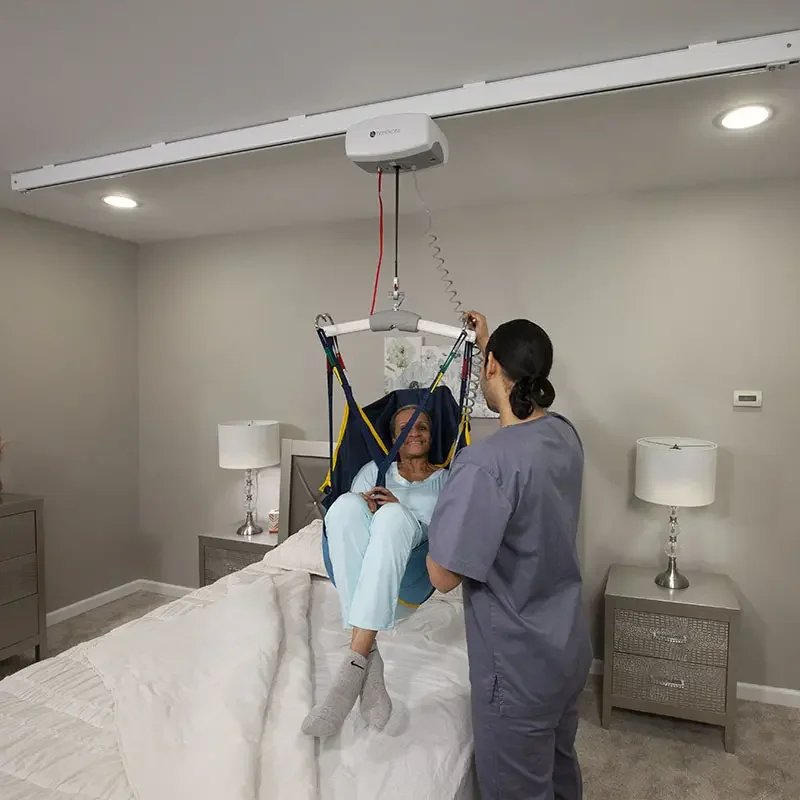
Supporting the People Who Provide Care Every Day
Caring for a loved one at home is often one of the most meaningful responsibilities a person can take on. It involves patience, compassion, and countless small acts of kindness that help someone maintain comfort and independence. While caregiving can be deeply rewarding, it also comes with physical challenges that many people do not fully anticipate until they experience them firsthand.
One of the most demanding tasks is assisting with transfers. Moving someone from a bed to a wheelchair, helping them into a recliner, or supporting them during bathroom routines requires careful coordination and physical effort. Even when performed correctly, these movements place repeated stress on the caregiver's body. Over time, lifting, bending, reaching, and supporting another person's weight can contribute to fatigue, muscle strain, and injuries that make caregiving even more difficult.
Patient lift systems were developed to make these everyday transfers safer for everyone involved. By using mechanical assistance instead of relying primarily on physical strength, caregivers can perform transfers with greater confidence while reducing the risk of injury. At the same time, individuals receiving care experience smoother, more comfortable movements that help preserve dignity and independence.
A patient lift is more than a mobility device. It is an investment in the well-being of both the caregiver and the person receiving care.
The Physical Demands of Everyday Caregiving
Many caregiving responsibilities involve repetitive movement.
Transfers may happen several times each day, beginning in the morning when someone gets out of bed and continuing through meals, therapy sessions, bathroom visits, and bedtime routines.
Each transfer requires lifting, guiding, stabilizing, and repositioning another person safely.
Although caregivers naturally want to help, the body is not designed to perform repeated manual lifting over long periods.
Even individuals who are physically fit can develop discomfort after months or years of assisting with transfers.
Patient lift systems reduce much of that physical demand by allowing equipment to support the individual's weight instead of the caregiver's body.
Reducing the Risk of Back Injuries
Back injuries are among the most common concerns for caregivers.
Repeated bending, twisting, and lifting place significant stress on the muscles and joints that support the spine.
A single awkward movement can sometimes lead to strains that require weeks or even months to recover.
Patient lift systems help minimize these risks.
Instead of manually lifting the individual, caregivers guide the transfer while the lift performs the heavy work.
This reduces pressure on the back while encouraging healthier body mechanics throughout the process.
Preventing injuries helps caregivers continue providing support without compromising their own health.
Less Strain on the Shoulders, Arms, and Knees
The physical demands of caregiving extend beyond the back.
Supporting body weight often affects the shoulders, elbows, wrists, hips, and knees as well.
Repeated reaching and lifting can gradually contribute to joint discomfort and muscle fatigue.
Using a patient lift significantly reduces the amount of force required during transfers.
Rather than relying on strength alone, caregivers operate the lift through simple controls while focusing on positioning and communication.
This more balanced approach helps protect multiple areas of the body from unnecessary stress.
Creating More Controlled Transfers
Manual transfers often require quick adjustments to maintain balance.
Unexpected shifts in body position can increase the risk of injury for both the caregiver and the individual being assisted.
Patient lift systems create a slower and more controlled experience.
The lift raises, moves, and lowers the individual at a steady pace, allowing caregivers to guide each step carefully.
This controlled movement reduces sudden strain while making transfers feel calmer and more predictable.
Greater control contributes to greater safety.
Helping Prevent Falls During Transfers
Falls are a concern whenever someone has limited mobility.
During manual transfers, caregivers must balance supporting the individual's weight while maintaining their own stability.
If either person loses balance, both may be at risk of injury.
Patient lift systems improve stability throughout the transfer process.
The individual's weight remains supported by the lift rather than by the caregiver's body.
This additional support helps reduce the likelihood of slips, sudden movements, or falls during everyday routines.
Both individuals can feel more confident knowing the transfer is designed to prioritize safety.
Reducing Caregiver Fatigue
Providing care requires both physical and emotional energy.
When transfers demand significant strength, caregivers may become tired more quickly, making the remainder of the day's responsibilities even more challenging.
Patient lift systems reduce physical exhaustion by minimizing repetitive lifting.
Instead of finishing several transfers already fatigued, caregivers often find they have more energy available for meaningful interactions, household tasks, medical appointments, and personal well-being.
Reducing fatigue benefits not only the caregiver but also the quality of care being provided.
Supporting Better Communication
Transfers involve more than movement.
They also require trust and communication.
When caregivers are physically straining, conversations may become shorter because so much attention is focused on completing the lift safely.
Patient lift systems reduce that pressure.
Caregivers can communicate more comfortably throughout the transfer, explaining each step and reassuring the individual along the way.
This calmer atmosphere often helps reduce anxiety while strengthening the partnership between caregiver and loved one.
Improving Confidence for Everyone
Confidence grows when people know they have reliable support.
Caregivers often worry about accidentally causing discomfort or losing their balance during manual transfers.
Individuals receiving care may worry about falling or becoming difficult to assist.
Patient lift systems address many of these concerns.
Because transfers become more predictable and controlled, both people often feel more comfortable participating in the process.
This shared confidence encourages smoother daily routines and helps create a more positive caregiving experience.
Supporting Long-Term Home Care
Many families hope to continue providing care at home for as long as possible.
Achieving that goal requires creating an environment that supports both the individual receiving care and the caregiver.
Without appropriate equipment, the physical demands of repeated lifting may eventually become overwhelming.
Patient lift systems help make long-term home care more sustainable.
By reducing physical strain and improving safety, they allow caregivers to continue providing support while protecting their own health.
This balance helps families remain together in familiar surroundings for longer.
Choosing the Right Patient Lift
Every caregiving situation is unique.
Some homes benefit from ceiling-mounted lift systems that provide convenient transfers between multiple rooms.
Others may be better suited to portable floor lifts that offer greater flexibility.
The individual's mobility, the layout of the home, caregiver responsibilities, and the frequency of transfers all influence the selection process.
Professional accessibility specialists evaluate these factors carefully to recommend the lift system that best supports both safety and comfort.
A personalized approach helps ensure the equipment fits naturally into everyday life.
Professional Training Is Just as Important
Installing a patient lift is only one part of creating a safer caregiving environment.
Learning how to use the equipment correctly is equally important.
Professional instruction helps caregivers understand proper sling selection, positioning techniques, lift operation, and safe transfer procedures.
This education builds confidence while helping families use the equipment effectively from the very beginning.
With the right training, patient lift systems become valuable tools that simplify caregiving rather than adding complexity.
Protecting Health While Preserving Independence
One of the greatest strengths of a patient lift system is that it supports two important goals at the same time.
It protects caregivers from unnecessary physical strain while helping individuals maintain dignity during transfers.
Neither person has to sacrifice comfort for safety.
Instead, the lift creates a balanced solution where movement feels more secure, caregiving becomes less physically demanding, and daily routines become easier to manage.
Accessibility is not simply about moving from one place to another.
It is about improving quality of life for everyone involved.
Conclusion
Patient lift systems play a vital role in improving caregiver safety by reducing manual lifting, minimizing physical strain, and creating more controlled transfers. They help prevent back and joint injuries, reduce fatigue, lower the risk of falls, and make everyday caregiving more comfortable for both the caregiver and the individual receiving assistance. By supporting safer movement, patient lifts contribute to healthier caregiving and greater peace of mind.
At KGC, every patient lift solution is tailored to meet the unique needs of the individual, the caregiver, and the home. From professional assessments to customized installations, KGC is committed to providing accessibility solutions that improve safety, comfort, and independence while helping families confidently provide care at home.
If you're ready to create a safer caregiving environment with a patient lift system, visit the KGC Contact Page to connect with a KGC specialist and explore the accessibility solution that's right for your home.
