
How Much Space Do You Need for a Vertical Platform Lift?
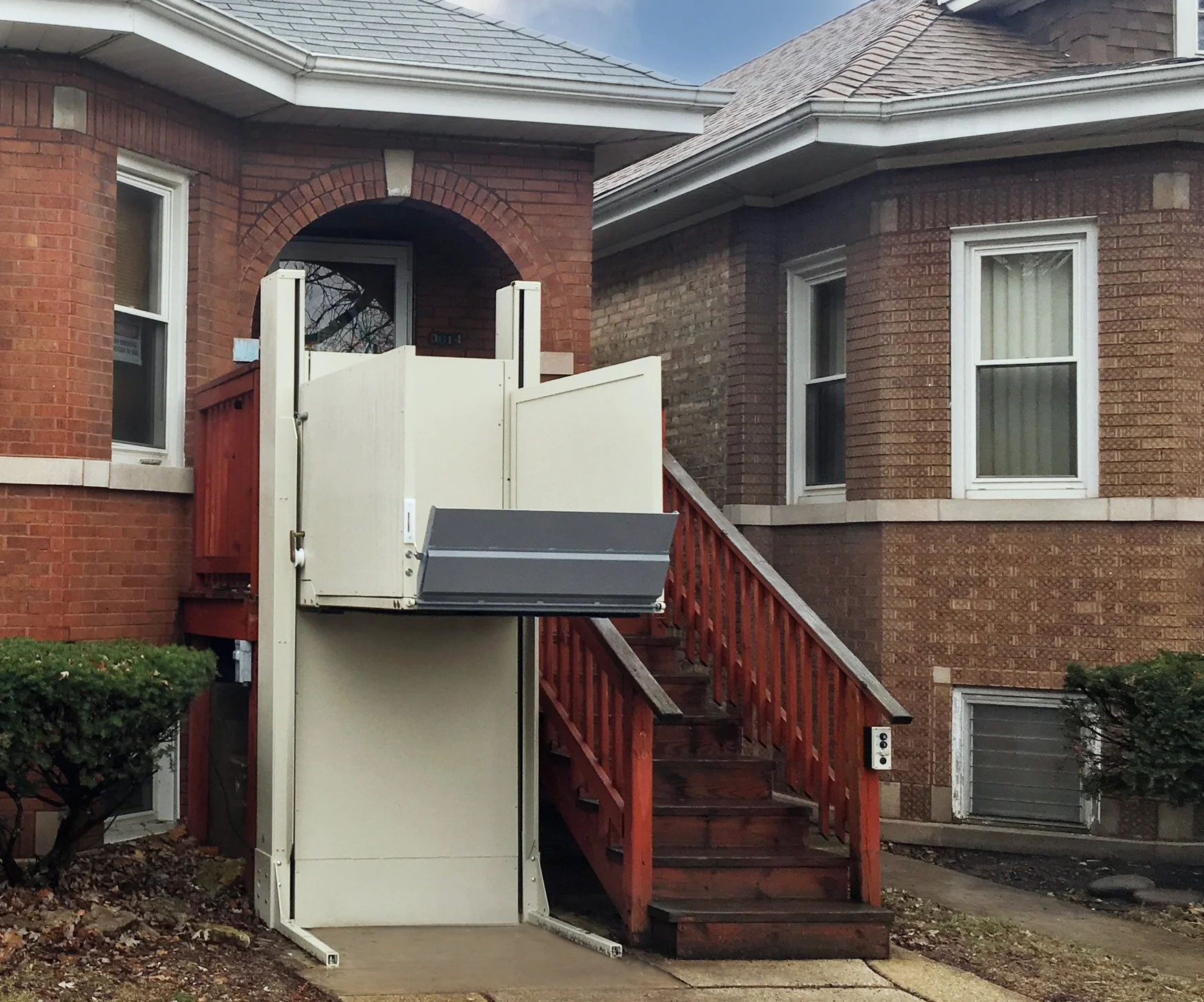
Understanding Space Requirements Beyond the Numbers
When homeowners first consider a vertical platform lift, one of the earliest questions that comes to mind is surprisingly simple. How much space does it actually need.
It is a practical question, and an important one, but the answer is not always as straightforward as a single measurement. Unlike standard home appliances or furniture, a vertical platform lift is not just about fitting into a fixed footprint. It is about creating a safe, functional, and comfortable movement system that integrates into the home environment.
Space requirements depend on several factors that work together, including platform size, user needs, mobility devices, installation location, and safety clearances. What may look like a tight space at first glance can sometimes be suitable with the right design approach. In other cases, a larger area may be needed to ensure smooth and safe operation.
Understanding these elements helps homeowners move beyond uncertainty and make informed decisions about accessibility planning.
The Role of Platform Size in Space Planning
The platform is the most visible and functional part of a vertical platform lift. It is where the user stands or remains seated in a wheelchair or mobility device during travel.
Because of this, platform size plays a central role in determining overall space requirements.
A lift must be large enough to comfortably accommodate the user and any mobility equipment. For someone using a wheelchair or scooter, the platform needs to provide enough room not only for entry but also for stable positioning during movement.
Smaller platforms may be suitable for individuals who walk or use compact mobility aids, while larger platforms are typically required for full wheelchair accessibility.
The key is not just fitting the user, but ensuring there is enough space for safe and confident use every time the lift operates.
Clearance Space for Safe Entry and Exit
Space is not only about the platform itself. It also includes the areas around it.
Users need enough room to safely enter and exit the lift at both the upper and lower landings. This includes turning space, approach pathways, and unobstructed access points.
Clearance is especially important for wheelchair users, as maneuvering requires additional room compared to walking.
Imagine trying to park a vehicle in a tight garage. Even if the vehicle technically fits, limited space around it can make movement difficult and uncomfortable. The same principle applies to vertical platform lifts.
Proper clearance ensures that the lift is not only functional but also easy to use in everyday life.
Vertical Travel Height and Structural Considerations
Another important factor in space planning is the height the lift needs to travel.
Vertical platform lifts are designed to move between specific elevations, and the structure supporting that movement must be properly accommodated within the home or exterior environment.
As travel height increases, structural requirements may also change. This can influence the amount of space needed for support columns, landing areas, and safety components.
Professionals evaluate these measurements carefully to ensure the lift operates smoothly across its full range of motion.
This step is essential because safe vertical movement depends on precise alignment and structural stability.
Indoor Space Planning Considerations
When installed indoors, vertical platform lifts must work within the existing layout of the home.
This often involves evaluating hallways, staircases, room dimensions, and traffic flow. The goal is to integrate the lift in a way that supports daily movement without disrupting the overall functionality of the space.
Indoor installations may require thoughtful positioning to avoid blocking pathways or interfering with furniture placement.
However, modern lift designs are often compact enough to fit into areas that homeowners initially assume are too small.
What appears restrictive at first can often become workable with professional assessment and planning.
Outdoor Space Requirements and Flexibility
Outdoor vertical platform lifts tend to offer more flexibility in terms of placement.
Front entrances, porches, decks, and garage access points often provide open areas that can accommodate lift systems more easily than interior spaces.
However, outdoor installations come with their own considerations.
Ground stability, drainage, weather exposure, and access pathways all influence how much usable space is required.
Even when there appears to be ample outdoor room, careful planning ensures that the lift is positioned safely and conveniently for daily use.
The Importance of Approach Pathways
One of the most overlooked aspects of space planning is the approach pathway leading to the lift.
Users need a clear and accessible route to reach the platform comfortably. This includes enough space to maneuver mobility devices and align properly with the lift entrance.
A well-designed approach pathway can significantly improve usability, even in homes where space is limited.
Without proper planning, even a correctly sized lift can feel difficult to use if the surrounding environment is not considered.
Turning Radius and Mobility Device Requirements
For wheelchair and scooter users, turning radius is an important factor in determining space needs.
Mobility devices require space to rotate, align, and position correctly before entering the lift. If the surrounding area is too tight, it can make access more challenging or require additional assistance.
This is why professional assessments always include real-world movement considerations, not just measurements.
The goal is to ensure that users can approach and enter the lift independently and comfortably.
Why Standard Measurements Are Only a Starting Point
While manufacturers provide general size guidelines, these numbers are only a starting reference.
Every home is different, and every user has unique mobility needs. What works in one environment may not be ideal in another.
Professional evaluation helps translate general specifications into real-world solutions tailored to the home.
This is why space planning is always a customized process rather than a one-size-fits-all calculation.
How Professionals Determine the Right Fit
Accessibility specialists look at far more than length, width, and height.
They evaluate how the space is used, how people move through it, and what challenges exist in daily routines.
They also consider future needs, ensuring that the lift continues to provide value as mobility requirements evolve over time.
In many cases, professionals can identify installation options that homeowners did not initially consider possible.
This combination of technical measurement and practical experience is what makes accurate space planning possible.
Common Misconceptions About Space Requirements
Many homeowners assume that vertical platform lifts require large, open areas or extensive renovations.
While some installations do require significant space, many modern systems are designed to be compact and adaptable.
Another common misconception is that limited space automatically means a lift is not possible. In reality, careful planning often reveals creative solutions that make installation feasible.
Understanding these realities helps homeowners approach the process with more confidence and fewer assumptions.
Conclusion
The amount of space needed for a vertical platform lift depends on several interconnected factors, including platform size, clearance areas, travel height, mobility device requirements, and installation location. Rather than relying on a single measurement, successful planning considers how the lift will be used in everyday life and how it fits into the flow of the home.
At KGC, every accessibility project begins with a detailed evaluation of space, mobility needs, and long-term goals. The focus is always on creating solutions that feel natural, safe, and practical within the home environment while supporting independence and confidence.
If you are exploring whether a vertical platform lift could fit your home, visit the KGC Contact Page to connect with an accessibility specialist who can help you understand your options and design a solution tailored to your space.
