
How Much Maintenance Does a Stairlift Really Need
Introduction
There is a moment that arrives in many homes where someone you love begins to move a little more carefully than they used to. It is not dramatic. It is not alarming. It is subtle, like noticing that their hand lingers on the railing for that extra second or their breathing shifts slightly at the top of the stairs. I remember the moment clearly in my own life. Someone very dear to me had always climbed stairs with a steady confidence, almost without thinking. The staircase was simply part of daily life, something woven into the rhythm of the home.
But one afternoon, as they headed upstairs with the sunlight warming the hallway, I noticed a small hesitation. They paused, not because they were tired, but because they were considering the climb in a new way. It was a quiet pause, the kind that comes from awareness rather than fear. They took the stairs slowly, still strong, still steady, but different. Something had changed, and I felt it before they ever spoke a word about it.
That was the beginning of our stairlift journey. And like many families, we wondered what owning a stairlift would mean long term. Would it be complicated to maintain? Would it require constant attention? Would the equipment become something new to worry about or something that quietly supported daily life?
To our surprise, stairlift maintenance was nothing like what we imagined. It was simpler, calmer, and far less demanding than we expected. It felt like taking care of a trusted household item rather than managing a complex machine. It blended into the home’s rhythm so naturally that it became part of life rather than something separate from it.
This guide offers a warm, deeply human explanation of how much maintenance a stairlift really needs. Whether you are preparing for your first stairlift or simply trying to understand what ownership looks like, this article will help you understand the care, attention, and gentle upkeep required to keep a stairlift running smoothly for years.
Why Understanding Maintenance Matters
Stairlifts are more than mechanical devices. They are companions to independence, safety, and comfort. When someone relies on a stairlift to move between floors, they depend on it not just physically but emotionally. They trust it to be steady and ready every time they need it. That trust grows from understanding how the lift works and how to keep it in good condition.
Maintenance is not about constant fixing or worrying. It is about small routines that reassure the user and ensure that the stairlift continues performing at its best. For many families, knowing what to expect eases any concerns they might have about reliability or long term cost.
Understanding maintenance also helps individuals feel empowered. They learn what they can do themselves, what professionals handle, and how small habits keep the lift running smoothly. It removes mystery and replaces it with confidence.
Stairlift Maintenance Is Far Simpler Than Most People Expect
One of the first things families realize after installation is that stairlifts require far less maintenance than they imagined. They are designed to be durable and dependable. They are engineered to withstand daily use. And they are meant to support people for years without creating stress or confusion.
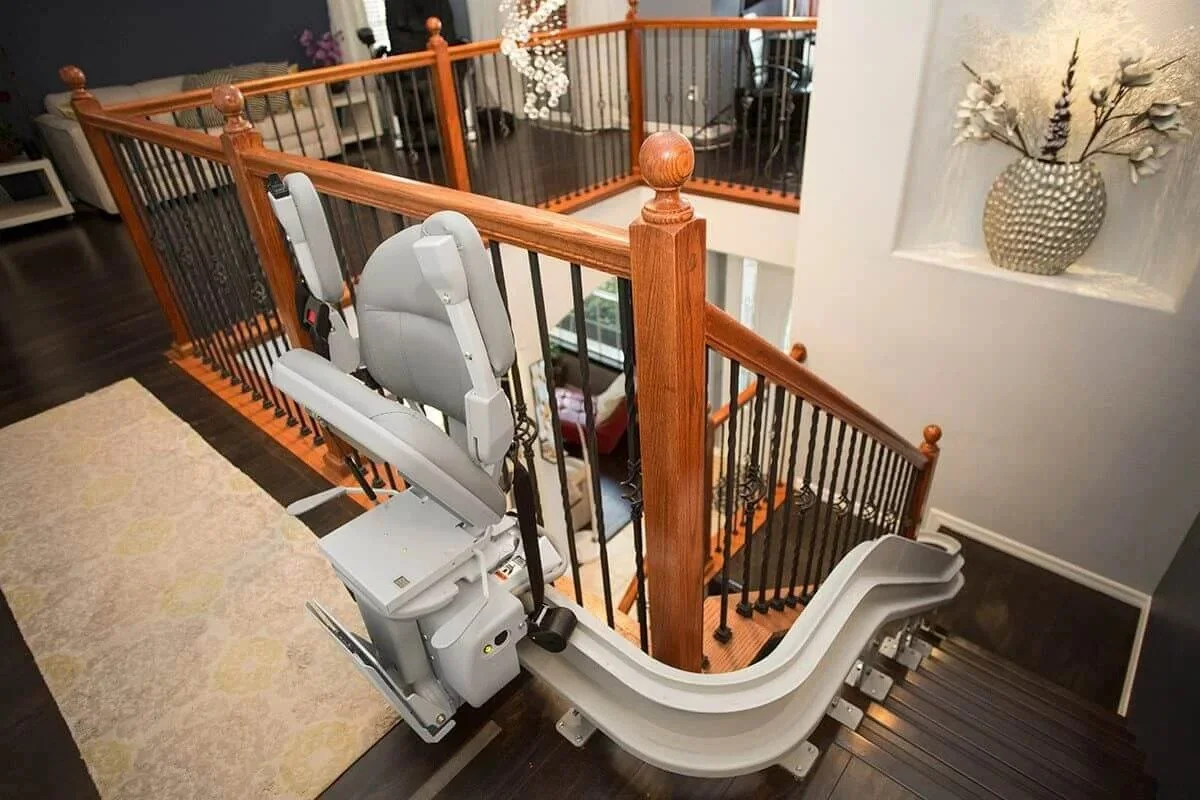
Most stairlifts operate quietly with minimal wear. They have enclosed components that protect the mechanical parts. Their rails are built to handle smooth movement. Their batteries charge automatically. Their sensors and safety features perform checks each time the lift is used.
The simplicity of stairlift maintenance is one of the reasons they are among the most popular mobility solutions for aging in place. They do not require constant upkeep. They do not disrupt the home. They do not need specialized daily care.
They simply ask for small, easy habits and periodic professional attention.
The User’s Role in Day to Day Maintenance
Day to day stairlift maintenance is surprisingly gentle. It does not involve mechanical tasks or technical adjustments. Instead, it focuses on awareness and simple care. Most users find that these small habits become natural parts of their routine.
One of the most helpful daily habits is keeping the rail clear of debris. Homes naturally collect small particles like dust or pet hair. While these do not usually harm the lift, keeping the rail clean helps maintain smooth movement. A soft cloth can gently wipe the rail surface when needed.
Users also benefit from parking the stairlift in its charging station at the top or bottom landing when it is not in use. This ensures that the batteries stay charged and ready for the next ride. The charging system works quietly in the background and requires no effort once the lift is parked properly.
Occasionally, the seat and armrests may be wiped with a gentle cleaner to keep the chair fresh. Footrests may be cleaned similarly. None of these tasks require technical skill. They simply keep the lift comfortable and clean.
These small habits create a sense of connection between the user and the equipment. They ensure the stairlift is always ready. They reinforce the feeling that the stairlift is not a machine to worry about but a support tool that integrates into living with ease.
Understanding the Importance of Battery Care
Most stairlifts today run on batteries that stay charged through a connected power source. The batteries ensure that the stairlift continues operating smoothly, even if the home experiences a temporary power loss. They also help the lift move softly and consistently without relying on high voltage electrical power.
Battery care is one of the simplest forms of stairlift maintenance. Users only need to keep the lift parked at one of its charging points when it is not in use. The system automatically charges the batteries. There is no need to plug anything in manually or monitor the charge level daily.
Batteries typically last several years before needing replacement. When the time comes, a professional technician handles the replacement quickly and safely. Families usually find this process easy and predictable. Stairlifts often give subtle reminder signals if the battery begins to weaken, allowing plenty of time to schedule a visit.
The ease of battery care is one of the reasons stairlifts are so reliable. They remain ready whenever needed without requiring manual charging or complex care.
Keeping the Rail Clean and Clear
The rail is the pathway the stairlift glides along. Its smoothness and cleanliness ensure a comfortable ride. Keeping the rail clear is simple and does not require any special products. A soft cloth removes dust, and occasionally a mild cleaner helps maintain appearance.
Families sometimes ask whether lubricants are needed. In most cases, stairlift rails are designed to operate without user applied lubricant. Technicians handle lubrication during annual maintenance visits. Using household products on the rail can interfere with the glide mechanism, so it is best to leave lubrication to professionals.
Keeping the rail clear of obstacles is also part of maintenance. Objects such as clothing, toys, or household items should never rest on or near the rail. Stairlifts include sensors that detect obstructions, but keeping the path clear ensures smooth daily use.
Safety Features That Support Ongoing Maintenance
Modern stairlifts are built with safety features that reduce the need for constant upkeep. They are intelligent systems that communicate when maintenance is needed. Sensors detect obstacles. Battery monitors alert users when the lift is not charging properly. Slow start and stop mechanisms protect internal components from sudden force. Obstruction sensors prevent damage caused by objects on the stairs. Safety belts and locking mechanisms reduce wear on seats and frames.
These features help the lift stay in peak condition. They reduce stress on parts. They alert users early if small adjustments are needed. They create a partnership between the stairlift and the user in maintaining long term performance.
Understanding Annual Professional Maintenance
The most important maintenance habit for stairlift owners is scheduling periodic professional servicing. Most manufacturers recommend an annual maintenance visit. These visits ensure that the stairlift remains dependable and safe. They give technicians the opportunity to examine internal components, test electrical connections, lubricate necessary parts, and ensure the lift is calibrated properly.
During a maintenance visit, the technician carefully inspects the rail, seat, motor, controls, sensors, battery system, and safety mechanisms. They test the stairlift under weight, confirm smooth travel, and check that every movement remains secure and steady.
This visit is a quiet, uncomplicated process. It does not disrupt the home or require homeowners to prepare in advance. The technician simply arrives, performs careful checks, and leaves the stairlift working smoothly.
Annual maintenance brings peace of mind. It reassures families that their loved one’s stairlift is not only functioning, but flourishing.
What Happens During a Professional Service Visit
A service visit feels calm and organized. The technician begins with a conversation, asking how the lift has been performing. They listen to any observations or concerns. They then begin their inspection.
The rail is examined for alignment and stability.
The seat is checked for secure positioning and comfortable movement.
The swivel mechanism is tested to ensure easy entry and exit.
The motor is evaluated for smooth performance.
The safety sensors are tested for accurate detection.
The remote call buttons are checked.
The battery is measured for strength and charge retention.
The footrest movement is confirmed.
If any small adjustments are needed, the technician handles them on the spot. Lubrication is applied where appropriate. Loose components are tightened. Any worn parts are identified. Recommendations for upcoming battery replacements or upgrades are shared gently and clearly.
Families are often surprised by how quickly and quietly the technician works. The lift is treated with care and respect, and when the technician leaves, the stairlift often feels even smoother than before.
Recognizing Early Signs That Maintenance May Be Needed
Even though stairlifts are reliable, there may be moments when the lift communicates a need for attention. These signs are gentle, not alarming. They might include a change in sound during operation, a hesitation in movement, a sensor alert, a slower response time, or a battery indicator showing low charge.
These signs do not signal danger. They simply mean the lift wants a little professional care. Calling a technician quickly ensures that the lift remains in peak condition. Many issues are minor and resolved within minutes during a service visit.
Being attentive to these early signs helps protect the lift and ensures comfort and safety for the user.
How Stairlifts Age Over Time
Every mechanical device ages, but stairlifts are built to age gracefully. The glide remains smooth. The seat stays comfortable. The safety systems remain alert. With regular professional care, stairlifts often last well beyond their expected lifespan.
Over time, batteries may need replacement. Rail rollers may get serviced. Wiring may be checked. But the overall structure remains strong. Most stairlifts continue working reliably for many years.
Stairlifts aging well is a reflection of thoughtful engineering and careful ownership.
How Maintenance Protects Emotional Wellbeing
Maintaining a stairlift is not only about protecting the equipment. It is about protecting the person who relies on it. When a stairlift is maintained, the user feels safe. They feel confident. They feel independent. They trust the lift to carry them comfortably between floors.
Caregivers also benefit emotionally. They no longer worry about the safety of the stairs. They feel reassured that their loved one can move through the home with ease. They gain comfort knowing the stairlift is dependable.
This emotional wellbeing is the true purpose of stairlift maintenance. The equipment becomes a symbol of freedom rather than limitation.
The Truth About Long Term Costs
Families often wonder whether maintaining a stairlift is expensive. In most cases, stairlift maintenance costs are modest. Annual service appointments are affordable and predictable. Battery replacements occur only every few years. Repairs for well maintained stairlifts are rare.
The long term cost of maintaining a stairlift is far lower than the cost of major home renovations or the physical toll of unsafe stair use. Maintenance preserves both safety and financial peace of mind.
Stairlift Maintenance and Aging in Place
Aging in place is one of the most meaningful goals for many individuals. It allows people to remain in the home they love, surrounded by memories, comfort, and familiarity. Stairlifts make this possible. Maintenance makes it sustainable.
When a stairlift is well cared for, aging in place becomes safer, easier, and more joyful. The home remains accessible. The routines remain intact. The individual remains confident. The stairlift becomes a bridge between independence and safety.
Conclusion
Understanding stairlift maintenance is about far more than knowing how to care for a mechanical device. It is about understanding how to support someone’s independence, dignity, and comfort. Stairlifts require gentle daily habits and simple annual care. They are designed to be low maintenance, reliable, and long lasting. They become trusted companions in aging in place, and their upkeep is remarkably manageable.
At KGC, we believe that mobility solutions should enhance life, not complicate it. We approach stairlift maintenance with compassion, clarity, and expertise. We help families understand what to expect, how to care for their equipment, and how to keep it performing beautifully for years to come.
If you would like help choosing, installing, or maintaining a stairlift, our team is here to guide you every step of the way.
Connect with us through the KGC Contact Page.
