
How Much Does a Stairlift Cost in 2026?
When the Question of Cost Becomes Personal
The conversation about stairlifts rarely begins with numbers. It usually starts with a moment that quietly shifts how a home feels. Someone pauses at the bottom of the stairs, considering whether the trip upstairs is worth the effort. A caregiver watches closely, pretending not to worry. What once felt effortless now requires planning, patience, and sometimes assistance.
At first, families search for small solutions. Holding the railing tighter. Moving frequently used items downstairs. Avoid unnecessary trips between floors. Over time, however, the staircase begins to represent something larger than architecture. It becomes a barrier separating comfort from independence.
That is when the question arises naturally. How much does a stairlift cost, and is it worth it?
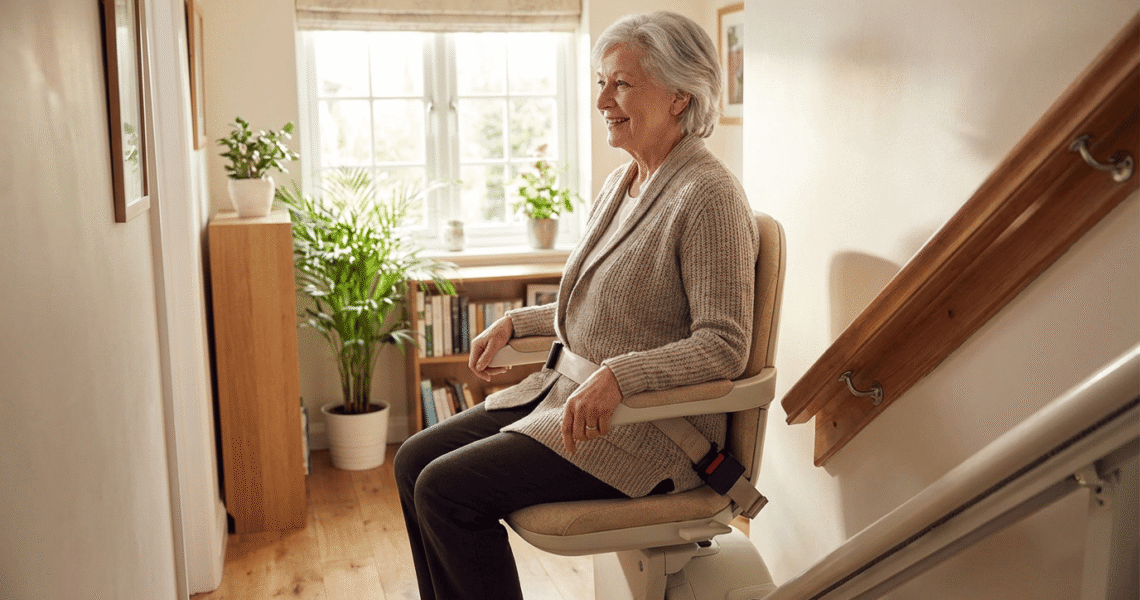
In 2026, stairlifts will no longer be viewed as medical equipment hidden away from sight. They have evolved into thoughtfully designed mobility solutions that blend safety, comfort, and style. Understanding the cost means understanding not only the equipment itself but also the value it brings to daily living.
Understanding the Range of Stairlift Pricing
Stairlift pricing varies because no two homes are identical. Even houses built from the same blueprint often require different solutions once mobility needs enter the picture. The cost reflects customization, engineering, installation expertise, and long-term reliability.
For homes with straight staircases, pricing typically begins at a more accessible level. Straight stairlifts follow a direct rail from one floor to another without curves or intermediate landings. Because these systems use standardized rails and components, manufacturing and installation are simpler. Many families find that straight stairlifts represent an achievable investment that immediately restores access to the entire home.
Curved staircases introduce a different level of complexity. When stairs turn corners, spiral, or include multiple landings, the rail must be custom-designed to match every angle precisely. Engineers measure each step carefully so the lift moves smoothly along the staircase without interruption. The customization involved explains why curved stairlifts often carry higher price ranges. Rather than purchasing a standard product, families are essentially commissioning a system designed uniquely for their home.
Outdoor stairlifts exist in their own category. These systems must withstand weather conditions, temperature changes, and moisture exposure. Specialized coatings, sealed electronics, and durable materials contribute to higher costs compared with indoor models. Yet for homes with exterior steps leading to entrances or gardens, outdoor stairlifts provide essential access that cannot be achieved any other way.
The variation in pricing reflects an important truth. Stairlifts are not one-size-fits-all solutions. They are carefully adapted mobility systems shaped around real living environments.
What Influences the Final Price
Families often expect the staircase itself to be the only factor determining cost, but several elements work together behind the scenes.
The length of the staircase plays a significant role. Longer stairs require additional rail material, stronger drive systems, and more installation time. Even small increases in length can affect overall pricing because precision alignment must remain consistent throughout the entire rail.
Weight capacity also influences cost. Some individuals require heavy-duty models designed for enhanced stability and higher support limits. These systems include reinforced components and more powerful motors, ensuring smooth and safe operation regardless of daily use demands.
Comfort features add another layer of customization. Modern stairlifts prioritize usability and aesthetics as much as function. Power swivel seats assist with safe transfers at the top of the stairs. Folding rails prevent obstruction near doorways. Upholstery options allow homeowners to match existing décor rather than introducing equipment that feels out of place.
Each feature contributes to comfort, but more importantly, to confidence. Families often discover that the most valuable upgrades are those that make the stairlift feel intuitive and natural to use.
Installation conditions also matter. Homes differ in stair width, wall proximity, and electrical access. Professional installers evaluate these details carefully to ensure the lift operates smoothly without altering the structure of the home unnecessarily. Installation is not merely a technical step. It is part of the safety system itself.
The Role of Technology in Modern Stairlift Costs
Stairlifts in 2026 benefit from technological advancements that were once reserved for commercial elevators. Battery-powered operation has become standard, allowing lifts to function even during power outages. Quiet motors reduce noise levels so movement between floors feels calm rather than mechanical.
Safety sensors detect obstacles and automatically stop the lift when necessary. Smooth start and stop technology eliminates sudden movements that might unsettle riders. Remote call systems allow the chair to travel between floors without requiring anyone to climb the stairs.
These technologies contribute to pricing, yet they also redefine the user experience. A stairlift is no longer simply a chair moving along a rail. It is an intelligent mobility system designed to anticipate needs and protect independence.
Families frequently realize that cost reflects peace of mind as much as equipment.
Looking Beyond the Purchase Price
One of the most helpful ways to understand stairlift cost is to compare it with alternatives. Home renovations such as relocating bedrooms to the main floor or adding residential elevators can involve extensive construction and significantly higher expenses. Moving to a new home introduces emotional and financial challenges that extend far beyond real estate transactions.
A stairlift often becomes the simplest path toward remaining in a familiar environment. The ability to age in place, maintain routines, and preserve personal space carries emotional value that cannot easily be quantified.
Caregivers also experience meaningful benefits. Physical strain decreases when lifting assistance becomes unnecessary. Anxiety surrounding stair use fades. Daily routines regain their natural flow, allowing families to focus on living together rather than managing risk.
Seen through this lens, the stairlift becomes less of a purchase and more of an investment in stability.
Maintenance and Long-Term Ownership
Like any mechanical system, stairlifts require ongoing care. Regular servicing ensures batteries remain reliable, rails stay aligned, and safety sensors function correctly. Maintenance appointments often feel reassuring rather than disruptive, confirming that the equipment continues operating safely.
Many providers offer service plans designed to simplify ownership. These plans help families avoid unexpected repair costs and extend the lifespan of the lift. With proper maintenance, stairlifts commonly serve households for many years, supporting evolving mobility needs without requiring replacement.
Ownership becomes less about upkeep and more about dependable support integrated into daily life.
Financial Assistance and Planning Ahead
Cost concerns are valid, and many families feel relieved when they discover available assistance options. Depending on location and circumstances, grants, veterans’ benefits, disability programs, or financing plans may help offset expenses.
Some households choose staged planning, installing a stairlift proactively rather than waiting for mobility challenges to become urgent. This approach allows individuals to adapt gradually, building familiarity with the equipment before it becomes essential.
Planning transforms the stairlift from a reactive solution into a proactive lifestyle choice centered on independence.
Emotional Value That Cannot Be Measured
The true cost of a stairlift is often revealed through small, meaningful moments. Someone returns to sleeping in their own bedroom after months of avoiding stairs. A caregiver rests easier at night knowing movement between floors is safe. Family gatherings expand again because every part of the home is accessible.
These changes rarely appear on invoices, yet they represent the most significant return on investment.
Homes regain balance. Confidence replaces hesitation. Independence feels protected rather than threatened.
Choosing the Right Provider Matters
Pricing alone should never determine a stairlift decision. Expertise, customization, and ongoing support shape long-term satisfaction far more than initial numbers.
A thoughtful provider takes time to understand how the home functions and how the individual moves within it. They listen before recommending solutions. They design installations that respect both safety and aesthetics.
The difference becomes clear immediately. Instead of feeling like equipment added to a home, the stairlift feels intentionally integrated into daily living.
Conclusion: Investing in Independence with KGC
Understanding stairlift costs in 2026 means looking beyond simple price ranges and recognizing the broader impact of mobility solutions. A stairlift restores access, reduces risk, and preserves the emotional connection people have with their homes. It supports independence while easing the responsibilities placed on caregivers.
At KGC, every mobility solution begins with listening. The team approaches accessibility as a collaborative process, designing customized stairlift systems that prioritize safety, comfort, and style without compromising dignity. Each installation reflects the belief that homes should evolve alongside the people who live in them.
If you are considering a stairlift and want guidance tailored to your unique space and needs, the next step is a conversation.
Visit the KGC Contact Page to connect with a specialist who can help you explore safe, supportive mobility solutions designed specifically for your home.
