
Can Stairlifts Be Installed on Narrow Stairs?
When Space Feels Like a Limitation
The concern often begins with a simple glance at the staircase. The steps may feel tight even for someone moving comfortably, so imagining a chair traveling along them can seem unrealistic. Families sometimes assume their home simply was not built for accessibility. The staircase becomes something permanent and unchangeable, leaving people to believe that mobility solutions belong only in larger homes.
Yet modern accessibility design has quietly evolved. Stairlifts today are created with real homes in mind, not idealized spaces. Many houses, especially older ones, were built with narrow staircases long before accessibility planning became common. Manufacturers and installers understand this reality. Instead of requiring homes to change drastically, stairlift systems are engineered to adapt to existing architecture.
The surprising truth is that narrow stairs are rarely a barrier. In many cases, they simply require thoughtful planning and the right equipment.
Understanding What “Narrow” Really Means
Homeowners often describe their stairs as narrow without knowing the measurements that truly matter. A staircase may feel tight because of walls, railings, or lighting rather than actual width. Professional installers measure clear walking space, stair depth, and the position of surrounding structures before determining feasibility.
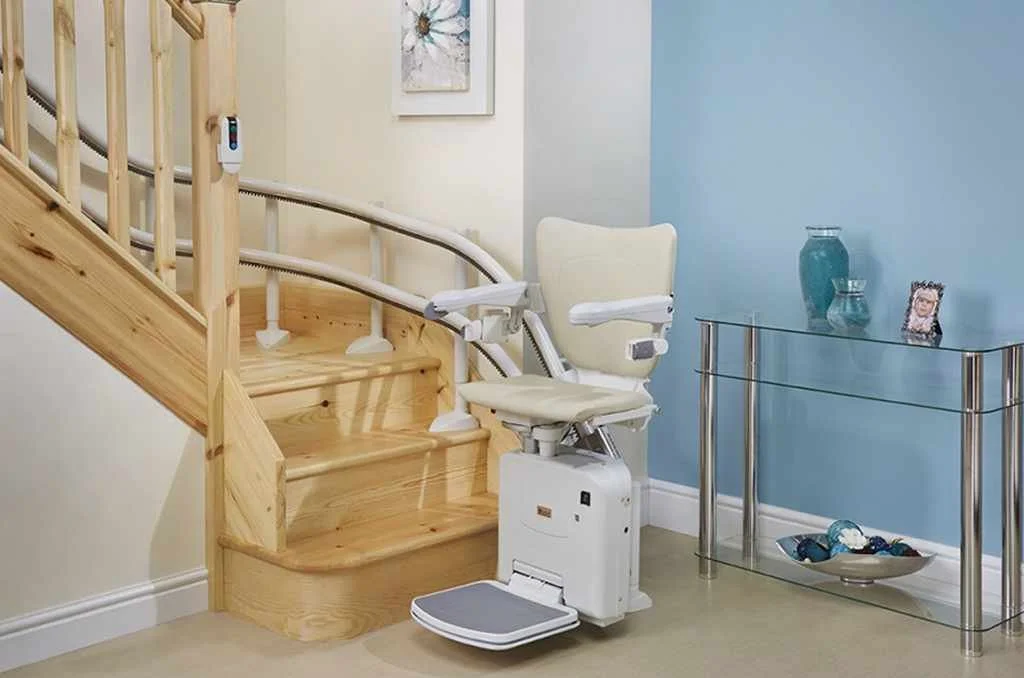
Most modern stairlifts require far less space than people expect. The rail mounts directly onto the stair treads rather than the wall, preserving structural integrity while maximizing usable width. When the seat, armrests, and footrest fold neatly away, the staircase typically remains accessible for other household members.
What initially feels restrictive often turns out to be entirely workable once accurate measurements replace assumptions.
How Modern Stairlift Design Supports Smaller Spaces
Technology has changed how stairlifts fit into homes. Earlier generations of lifts were bulkier, designed primarily for function. Today’s systems focus equally on form, movement, and spatial efficiency.
Compact stairlift models feature slim rails that sit close to the staircase, minimizing intrusion into walking space. Folding seats reduce the lift’s profile when not in use, allowing others to continue using the stairs comfortably. Some systems include hinged rail sections that lift automatically near doorways or hallways, preventing obstruction in tight entry areas.
These design advancements mean the stairlift becomes part of the staircase rather than something imposed upon it.
The experience is similar to modern furniture designed for small apartments. Good design does not demand more space; it uses existing space intelligently.
The Importance of Professional Assessment
Installing a stairlift on narrow stairs is never a guessing process. A professional home assessment evaluates several factors simultaneously. Stair width is only one piece of a larger picture that includes user mobility, transfer safety, and daily household movement.
Installers consider how a person approaches the chair, how they sit and stand, and how safely they can enter and exit at both landings. Even in narrow environments, solutions often emerge through careful positioning rather than structural modification.
In some cases, moving or replacing an existing handrail creates enough clearance without major renovation. In others, selecting a slightly different seat style provides improved comfort while maintaining safe passage for everyone in the home.
The goal is always balance. Accessibility should enhance the home without disrupting how it functions for the entire household.
Safety Considerations in Tight Staircases
Safety remains the highest priority, especially when space is limited. Modern stairlifts incorporate sensors that detect obstacles and stop movement immediately if something blocks the path. Smooth start and stop technology prevents sudden motion, allowing riders to feel secure even when the staircase feels enclosed.
Swivel seats play an important role in narrow installations. At the top landing, the seat rotates toward the floor rather than the stairs, allowing individuals to stand safely without stepping into a confined area. This feature becomes particularly valuable in homes where hallway space is limited.
Rather than increasing risk, well-designed stairlifts often make narrow staircases safer than they were before installation.
Living Comfortably in a Smaller Home
Many people who live in homes with narrow stairs have strong emotional ties to their space. These homes often hold decades of memories, familiar routines, and a sense of comfort that cannot be replaced easily. Moving simply to accommodate mobility challenges can feel overwhelming.
A stairlift allows the home to evolve alongside changing needs. Bedrooms remain upstairs. Personal belongings stay where they belong. Daily routines continue uninterrupted.
Families frequently describe a shift that happens after installation. The staircase no longer represents effort or concern. Instead, it becomes a seamless transition between floors, restoring freedom within the home’s existing footprint.
Addressing Common Misconceptions
One of the most persistent misconceptions is that stairlifts require widening stairs or making structural alterations. In reality, most installations involve minimal modification. Because the rail attaches to the steps themselves, walls and surrounding architecture usually remain untouched.
Another common worry involves appearance. Homeowners often imagine a large mechanical device dominating the staircase. Modern stairlifts, however, are designed with aesthetics in mind. Neutral finishes, clean lines, and discreet rails allow the lift to blend naturally with interior design.
Many visitors barely notice the system at first glance, which reassures homeowners concerned about preserving the character of their space.
When Alternatives May Be Considered
While most narrow staircases can accommodate a stairlift, there are rare situations where space limitations require alternative solutions. Extremely steep stairs, unusually shaped landings, or very limited transfer areas may prompt discussions about vertical platform lifts or other accessibility options.
These situations are uncommon, and experienced accessibility specialists work collaboratively with families to identify the safest path forward. The emphasis remains on preserving independence while respecting the home’s structure.
Even when challenges arise, solutions usually exist.
Emotional Confidence and Everyday Ease
The greatest benefit of installing a stairlift on narrow stairs often appears quietly. Individuals begin moving between floors without hesitation. Caregivers stop worrying about missed steps or fatigue. Everyday activities regain a sense of normalcy.
Confidence returns not because the staircase changed, but because the experience of using it transformed.
Accessibility technology succeeds when it fades into the background of daily life. The lift becomes simply another part of the home, supporting independence without drawing attention to limitations.
Conclusion: Small Spaces, Thoughtful Solutions with KGC
Narrow staircases do not have to limit safety, independence, or comfort at home. With modern engineering and expert installation, stairlifts can be successfully integrated into spaces once thought too small for accessibility solutions.
At KGC, every home is approached with curiosity rather than assumption. The team understands that accessibility is personal, and each installation is customized to fit both the physical environment and the lifestyle of the people who live there. Whether working within compact stairways or complex layouts, KGC focuses on solutions that feel natural, supportive, and respectful of independence.
If you are unsure whether your staircase can accommodate a stairlift, the best next step is a professional assessment tailored to your home.
Visit the KGC Contact Page to connect with a specialist who can help you explore safe, space-conscious mobility solutions designed specifically for you.
