
Choosing the Right Vertical Platform Lift for Your Needs
The Importance of Choosing More Than Just a Lift
When people first begin researching accessibility solutions, they often focus on products. They compare specifications, browse photos, and look at different models. While these details are important, choosing a vertical platform lift is about much more than selecting a piece of equipment.
The right lift has the potential to transform everyday life. It can make entering a home easier, restore access to favorite spaces, reduce physical strain, and support greater independence. The wrong choice, even if it technically works, may not deliver the same level of comfort, convenience, or long-term satisfaction.
This is why the selection process deserves careful consideration.
A vertical platform lift becomes part of a person's daily routine. It is used when leaving for appointments, welcoming visitors, accessing outdoor spaces, or moving between levels inside a home or commercial building. Because of this, the decision should focus not only on current needs but also on how the lift will support everyday life in the years ahead.
Understanding what to look for can help homeowners, families, caregivers, and business owners make confident decisions that provide lasting value.
Understanding What a Vertical Platform Lift Does
Before comparing options, it helps to understand the purpose of a vertical platform lift.
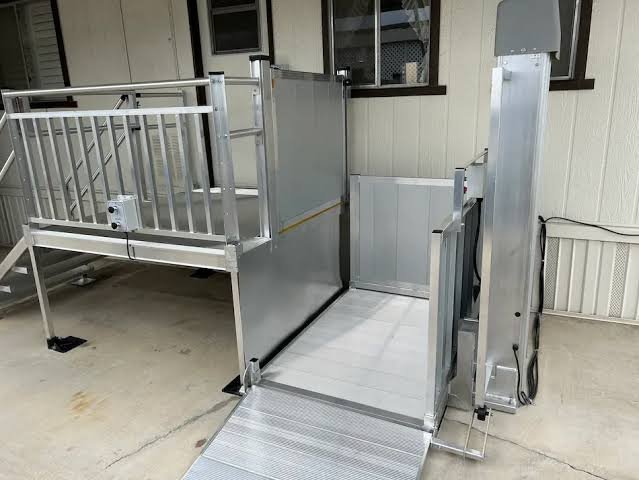
A vertical platform lift, often referred to as a VPL, is designed to transport individuals safely between different elevations. Unlike stairlifts, which require users to transfer into a chair attached to a rail system, a vertical platform lift allows people to remain in their wheelchair, scooter, or standing position while traveling.
The platform moves vertically between levels, providing a safe and reliable alternative to stairs.
These lifts are commonly installed at home entrances, garages, decks, patios, interior split levels, commercial buildings, and other areas where elevation changes create accessibility barriers.
Because they are available in various configurations, choosing the right model requires understanding both the environment and the needs of the people who will use it.
Starting With Your Mobility Needs
Every successful accessibility solution begins with understanding the user.
One person's needs may differ significantly from another's. Some individuals use wheelchairs full time. Others may use walkers, scooters, or canes. Some may prefer standing during lift operation, while others rely on mobility devices for support.
The type of mobility assistance used on a daily basis influences many aspects of lift selection.
For example, a person using a larger power wheelchair will require different platform dimensions than someone using a compact mobility scooter. A family planning for future mobility changes may also want a system that can accommodate evolving needs.
Thinking about how mobility is likely to change over time can be just as important as addressing current requirements.
The goal is not simply finding a lift that works today but selecting one that continues supporting independence and accessibility well into the future.
Considering How the Lift Will Be Used
Daily routines play a significant role in choosing the right vertical platform lift.
Imagine two different households.
In one home, the lift is used several times a day to access the front entrance. In another, the lift primarily connects an outdoor deck to the backyard and is used more occasionally.
Both situations require accessibility, but their usage patterns are very different.
The frequency of operation, the number of users, and the locations being accessed all influence which features may be most beneficial.
A lift that serves as the primary entrance to a home may require different considerations than one installed for occasional recreational use.
Understanding how the lift fits into everyday life helps ensure the chosen system supports practical, real-world needs.
Indoor Versus Outdoor Installation
One of the first decisions involves determining where the lift will be installed.
Indoor and outdoor environments present different challenges and opportunities.
Indoor lifts are often designed to integrate seamlessly into existing living spaces. They may connect split-level floors, provide access between levels, or improve movement throughout the home.
Outdoor lifts, on the other hand, must withstand weather conditions while maintaining reliable operation. Rain, snow, temperature fluctuations, and environmental exposure all influence design requirements.
Choosing a lift specifically engineered for its intended environment helps ensure durability, safety, and long-term performance.
A professional assessment can help determine which options are most suitable based on the installation location.
Evaluating Platform Size Requirements
Platform size is one of the most important factors in lift selection.
The platform must comfortably accommodate the user and any mobility equipment. It should allow easy entry and exit while providing a stable and secure travel experience.
Selecting the appropriate size involves more than measuring a wheelchair.
Consider how the user approaches the lift, turns into position, and exits at the destination. Adequate space improves convenience and reduces the need for difficult maneuvering.
A platform that feels comfortable today is more likely to remain functional if mobility needs change in the future.
Choosing the right size often involves balancing accessibility requirements with available installation space.
Thinking About Weight Capacity
Weight capacity is another important consideration.
Every vertical platform lift is designed to support a specific maximum load. This includes not only the user's weight but also the weight of wheelchairs, scooters, or other mobility devices.
Selecting a lift with an appropriate capacity ensures safe operation and reliable performance.
Many homeowners appreciate the peace of mind that comes from knowing the system can comfortably support current and future needs without approaching operational limits.
Safety Features That Matter Most
Safety should always be a central part of the decision-making process.
Modern vertical platform lifts include a variety of features designed to protect users throughout every stage of operation.
Safety gates help prevent accidental movement while the platform is elevated. Non-slip surfaces improve stability during entry and exit. Emergency stop controls provide immediate response options if needed.
Obstacle detection systems monitor the lift's path and stop movement if an obstruction is encountered.
Battery backup systems can provide continued operation during power outages.
While individual features may vary between models, the overall goal remains the same: creating a safe and dependable accessibility experience.
When evaluating options, it is worth considering which safety features align most closely with the user's needs and preferences.
The Importance of Ride Comfort
Accessibility equipment is often discussed in terms of function, but comfort is equally important.
A smooth, stable ride can make a significant difference in the user experience.
Imagine the difference between traveling on a well-maintained road and a rough, uneven one. Both may get you to the same destination, but one provides a much more pleasant journey.
Modern vertical platform lifts are designed to start and stop smoothly while minimizing vibration and sudden movement.
This level of comfort becomes especially important for individuals who use the lift frequently or who may be sensitive to abrupt motion.
Matching the Lift to Your Home's Layout
Every property is unique.
Some homes have limited installation space. Others offer more flexibility in terms of placement and configuration.
The right lift should complement the layout of the property while supporting accessibility goals.
Factors such as elevation height, entry points, structural conditions, and available clearance all influence which system is most appropriate.
A professional evaluation helps identify solutions that work naturally within the existing environment rather than requiring significant compromises.
Planning for Future Needs
One of the most common mistakes people make when choosing accessibility equipment is focusing exclusively on immediate requirements.
Mobility needs can change over time. A solution that feels sufficient today may become limiting in the future.
Planning ahead can help avoid unnecessary upgrades or replacements later.
For example, a family may choose a larger platform size even if current mobility equipment is relatively compact. This decision can provide flexibility if different equipment is needed down the road.
Thinking long term often leads to greater satisfaction and better overall value.
Balancing Functionality and Appearance
Many homeowners want accessibility solutions that support mobility without overwhelming the appearance of their property.
Modern vertical platform lifts are available in designs that blend well with residential and commercial environments.
Rather than appearing purely functional, many systems incorporate clean lines, attractive finishes, and thoughtful design elements that complement the surrounding space.
Accessibility and aesthetics do not have to compete with one another.
Choosing a lift that fits both practical and visual goals can help create a more satisfying overall result.
Why Professional Guidance Makes a Difference
With so many factors to consider, professional guidance can be invaluable.
Accessibility specialists bring experience, technical knowledge, and an understanding of how different systems perform in real-world situations.
They help homeowners evaluate options based on mobility needs, property characteristics, future goals, and budget considerations.
Rather than guessing which solution may work best, families can make informed decisions supported by expert recommendations.
This collaborative approach often leads to better outcomes and greater confidence throughout the process.
Making Accessibility a Long-Term Investment
A vertical platform lift is more than a home improvement project.
It is an investment in accessibility, safety, independence, and quality of life.
Choosing the right system ensures that this investment continues delivering value every day. Whether the goal is improving home access, supporting a loved one, reducing physical strain, or enhancing a commercial environment, the right lift can create meaningful and lasting benefits.
The decision should be viewed not simply as selecting equipment but as creating opportunities for greater freedom and comfort.
Conclusion
Choosing the right vertical platform lift involves understanding mobility needs, evaluating installation environments, considering safety features, planning for future accessibility, and ensuring the system fits naturally into daily life. Taking the time to assess these factors carefully can lead to a solution that provides years of dependable service and meaningful independence.
At KGC, every accessibility journey begins with listening. The team takes the time to understand individual goals, property layouts, and long-term mobility needs before recommending a solution. This personalized approach helps ensure that every vertical platform lift is selected and installed with safety, comfort, and usability in mind.
If you are exploring vertical platform lift options and want expert guidance tailored to your unique situation, visit the KGC Contact Page. A consultation with the KGC team can help you find an accessibility solution designed to support your lifestyle today and well into the future.
