
Best Places to Install a Vertical Platform Lift at Home
Accessibility Starts With the Right Location
When families begin exploring accessibility solutions, much of the attention naturally focuses on the equipment itself. People compare features, discuss mobility needs, and imagine how a vertical platform lift might fit into their daily lives. Yet one of the most important decisions often receives less attention at first: where the lift should actually be installed.
The location of a vertical platform lift can have a significant impact on how useful it becomes. A thoughtfully placed lift does more than overcome an elevation change. It improves daily routines, increases independence, enhances safety, and creates easier access to the spaces that matter most.
Many homeowners initially assume there is only one obvious location for a lift. After all, the most visible barrier usually captures immediate attention. However, a closer look at how people move through their homes often reveals multiple possibilities. Sometimes the best location is exactly where homeowners expected. Other times, a professional assessment uncovers opportunities that provide even greater long-term benefits.
Choosing the right installation location is about more than solving today's challenges. It is about creating a home that continues to support comfort, accessibility, and independence for years to come.
Understanding How a Vertical Platform Lift Improves Daily Living
Before exploring specific locations, it helps to understand why placement matters so much.
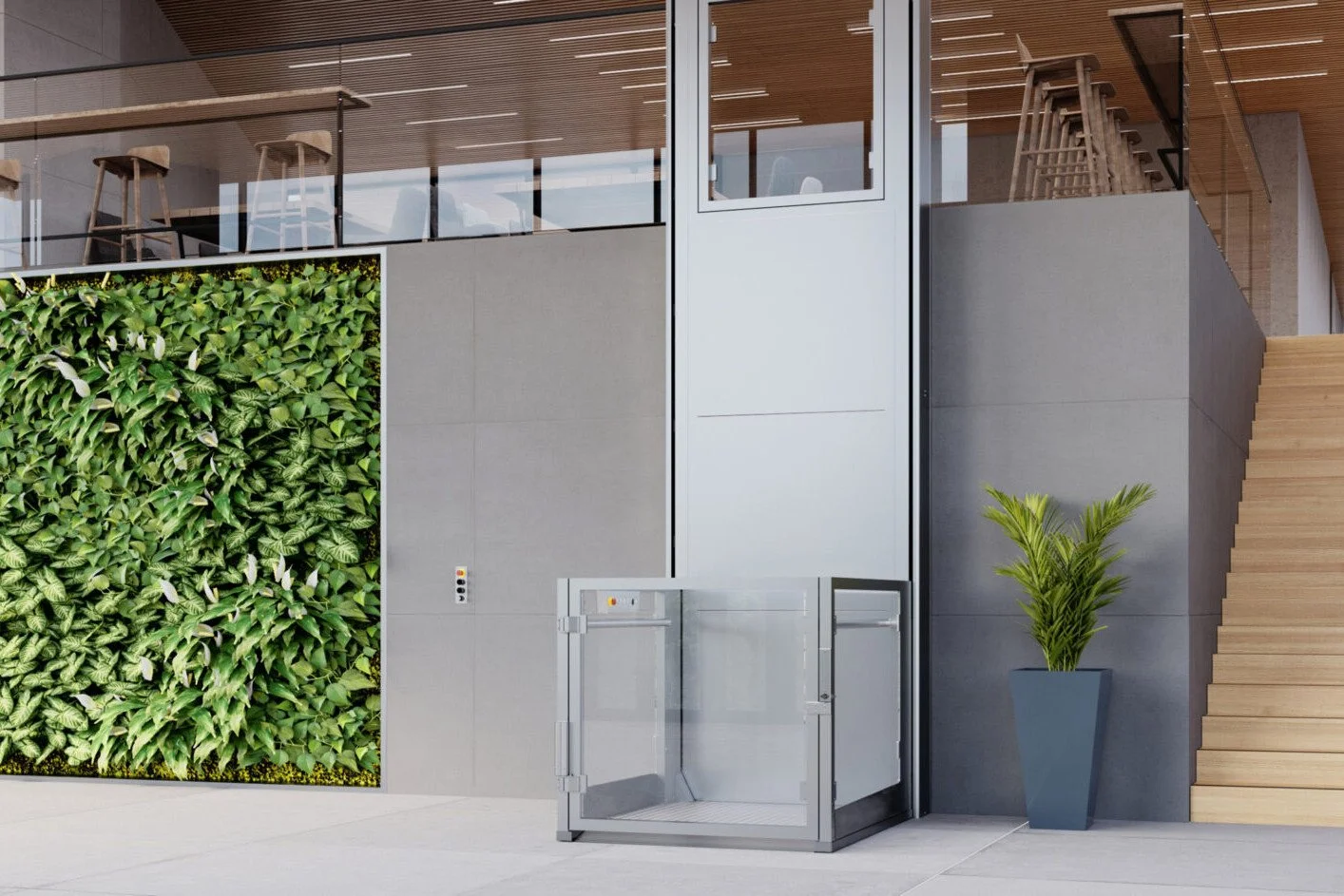
A vertical platform lift is designed to provide safe and reliable access between different elevations. Unlike a stairlift, which follows the path of a staircase, a vertical platform lift moves straight up and down on a secure platform. Users can remain in a wheelchair, scooter, or standing position throughout the journey.
Because the lift creates direct access between levels, its location influences how often it is used and how much value it provides. A lift installed in the right place can remove daily frustrations and simplify routines. The same lift installed in a less strategic location may still help, but it might not deliver the same level of convenience.
The goal is to identify where accessibility barriers have the greatest impact on everyday life and then place the lift where it can create the most meaningful improvement.
The Front Entrance: One of the Most Popular Locations
For many homeowners, the front entrance is the first place they consider when exploring accessibility improvements.
It is easy to understand why.
The front entrance represents freedom, independence, and connection to the outside world. It is the point where people leave for appointments, welcome visitors, receive deliveries, and participate in community life. When steps make that entrance difficult to navigate, the impact extends far beyond the physical challenge itself.
Imagine beginning every outing by worrying about a staircase. Even a few steps can create anxiety when mobility becomes more challenging. Family members may need to provide assistance. Caregivers may have to coordinate transfers or support. Something as simple as checking the mail or greeting a guest can become unnecessarily complicated.
Installing a vertical platform lift at the front entrance removes that barrier.
Instead of navigating stairs, users can move directly between ground level and the entrance platform safely and comfortably. The process becomes predictable and reliable, allowing individuals to focus on where they are going rather than how they will get there.
Many homeowners describe this improvement as life-changing because it restores a sense of independence that stairs may have gradually diminished.
Garage Entrances and Everyday Convenience
While front entrances receive a great deal of attention, garages often serve as the primary entry point for many households.
Families frequently enter and exit through the garage multiple times each day. Groceries, errands, work commutes, and daily activities often begin and end here. When a garage includes a step or elevation change leading into the home, that barrier can affect routines more than the front entrance itself.
A vertical platform lift installed near the garage can create seamless access between the vehicle and the home.
Consider someone returning from a shopping trip. Instead of worrying about steps, transfers, or assistance, they can move directly into the house with greater ease. The same benefit applies when leaving for appointments, visiting family, or simply heading out for everyday activities.
Because garages are often practical, functional spaces, they can also offer flexibility when it comes to lift placement. Many homeowners appreciate the convenience of having accessibility integrated into an area they already use regularly.
Porches and Raised Entryways
Porches are a common architectural feature in many homes. They provide character, outdoor seating, and welcoming spaces for visitors. Unfortunately, they often require several steps to access.
For wheelchair users and individuals with mobility limitations, these steps can create a significant obstacle.
A vertical platform lift offers a compact solution that preserves the appearance and function of the porch while improving accessibility.
Unlike long ramps that may extend across a yard or driveway, a lift provides direct vertical access. This can be especially valuable when space is limited or when homeowners want to maintain the visual appeal of their property.
The result is a porch that remains both attractive and accessible.
Patios and Outdoor Living Areas
Accessibility should not stop at the front door.
Outdoor spaces play an important role in daily life. Patios, decks, gardens, and outdoor gathering areas provide opportunities for relaxation, entertainment, and connection with family and friends.
Yet many of these spaces include steps or elevation changes that limit access.
Imagine a family barbecue taking place on a raised deck. Everyone gathers outdoors, enjoying conversation and fresh air. Without accessible access, someone may be unable to participate fully or may require assistance to join the gathering.
A vertical platform lift can change that experience entirely.
By providing safe access to patios and outdoor living areas, the lift helps ensure that everyone can enjoy these spaces comfortably. Accessibility becomes part of the outdoor experience rather than an afterthought.
Many homeowners find that restoring access to outdoor areas improves quality of life in ways they did not initially expect.
Deck Installations for Elevated Outdoor Spaces
Raised decks are another popular location for vertical platform lifts.
Decks often provide beautiful views and valuable living space, but stairs can make them difficult to access. A lift creates a direct connection between ground level and the deck surface, making outdoor activities more accessible.
Families often discover that a deck lift encourages greater use of outdoor spaces. Meals, gatherings, and quiet moments outdoors become easier to enjoy when accessibility barriers are removed.
The lift becomes a pathway not only to a physical space but also to experiences that contribute to overall wellbeing.
Interior Split-Level Homes
Not all accessibility challenges occur outside.
Many homes include split-level layouts that create barriers within the interior living space. A few steps separating key areas may seem minor from a design perspective, but they can significantly affect mobility.
Split-level homes are particularly challenging because accessibility barriers exist in the middle of daily routines. The kitchen may be on one level while bedrooms are on another. Family rooms, offices, and bathrooms may require navigating stairs multiple times throughout the day.
Installing a vertical platform lift indoors allows homeowners to maintain access to every part of the home without major structural changes.
Rather than avoiding certain rooms or rearranging daily activities, individuals can move comfortably between levels and continue using their homes as intended.
Connecting Main Living Areas
Some households benefit from placing a lift between the most frequently used living spaces.
For example, a lift may connect a primary living area with bedrooms or provide access between a family room and a home office. These strategic placements focus on preserving daily routines and minimizing physical effort.
The best accessibility solutions often feel natural. They support movement without requiring people to change how they live.
By connecting key living areas, a vertical platform lift becomes an integral part of everyday comfort and independence.
Access to Basements and Lower Levels
Basements often serve a variety of purposes. They may contain recreation rooms, workshops, storage areas, laundry facilities, or even additional living spaces.
When stairs become difficult to navigate, these areas can gradually become less accessible.
A vertical platform lift can restore access to lower levels, allowing homeowners to continue using these valuable spaces safely.
This can be particularly important when essential functions such as laundry or storage are located downstairs. Accessibility improvements help ensure that every part of the home remains functional and usable.
Multi-Generational Living Spaces
As multi-generational households become more common, accessibility needs often expand.
A vertical platform lift can help family members of varying mobility levels share the same home comfortably. Strategic placement allows everyone to access important areas independently while reducing reliance on assistance.
These installations often support long-term flexibility, ensuring that the home can adapt to changing needs over time.
Considering Future Accessibility Needs
One of the most valuable aspects of professional accessibility planning is the opportunity to think ahead.
Homeowners often begin by addressing a current challenge, but mobility needs can evolve over time. The best installation location is not always the one that solves today's issue alone. It is often the location that will continue providing value in the future.
A thoughtful assessment considers daily routines, home layout, and potential long-term needs. This approach helps ensure that the lift remains beneficial for years to come.
Why Professional Assessments Matter
Choosing the best location for a vertical platform lift involves more than identifying where stairs exist.
Professionals evaluate traffic patterns, structural considerations, accessibility goals, and user preferences. They look at how people actually move through the home and identify opportunities to improve both safety and convenience.
What appears to be the obvious location may not always be the most effective one. A professional assessment helps ensure that every decision supports long-term success.
Conclusion
The best place to install a vertical platform lift depends on how you use your home and where accessibility challenges affect daily life most. Front entrances, garages, porches, patios, decks, interior split levels, and lower-level living spaces are among the most common and effective installation locations. The right placement can dramatically improve independence, safety, convenience, and overall quality of life.
At KGC, accessibility solutions are designed around people, not just properties. Every home is unique, and every family's needs are different. That is why KGC takes a personalized approach to evaluating spaces, understanding mobility goals, and recommending solutions that provide meaningful, long-term benefits. From outdoor entryways to interior living areas, the focus is always on creating accessibility that feels natural, reliable, and empowering.
If you are considering a vertical platform lift and want expert guidance on the best location for your home, visit the KGC Contact Page.
