
ADA Compliant Ramp Slope: What It Means and Why It Matters
Introduction
There is a moment I still remember clearly from years ago. It happened outside a small community building on a bright afternoon. A gentle breeze carried the sound of laughter, and people were filtering inside for a gathering. I watched someone I knew pause at the bottom of the entrance ramp. The ramp looked simple enough, a straight wooden stretch leading up to the doorway. But as they placed their hands on their mobility device and began to push forward, their expression shifted almost immediately from determination to strain.
The incline was steeper than it looked. The wheels hesitated. Their shoulders tensed. Halfway up, they stopped to catch their breath. It was a familiar building, one they had visited many times, but I could tell they felt unwelcome in that moment. Not because of the people inside, but because of the way the environment had been built. The ramp was too steep. Too demanding. Too difficult to navigate safely and comfortably. What should have been a simple entrance had become a barrier.
That moment stayed with me because it revealed something important. Accessibility is not just about having a ramp. It is about having a ramp that works for real people. A ramp that honors effort, strength, dignity, and independence. A ramp designed not to check a box but to support a person’s experience in the world.
That is where understanding ADA compliant ramp slope becomes essential. The slope of a ramp is not just a measurement written on a chart. It shapes how easily someone can move, how safe they feel, and whether they can enter a space without fear of tipping backward or losing control. In this article, we will explore what ADA compliant ramp slope truly means, why it matters in homes and public spaces, and how families and designers can make thoughtful choices that support mobility, comfort, and respect.
Understanding What ADA Compliance Really Means
The Americans with Disabilities Act established guidelines to ensure that people with disabilities have equal access to public spaces. Those guidelines include specific requirements for ramps, including measurements, landings, and safety considerations. While the ADA primarily applies to public buildings, many homeowners also choose to follow ADA ramp guidelines because they offer reliable standards for safety and usability.
ADA compliance is not merely technical. It is deeply human. It reflects decades of research and countless stories of people facing unnecessary barriers. The guidelines exist because real people struggled with ramps that were too steep or too narrow or too unstable. ADA standards ensure that ramps provide safe, comfortable passage for people using wheelchairs, walkers, canes, scooters, or simply needing additional support.
The ADA ramp slope standard is often summarized as 1 to 12. This means that for every inch of rise, the ramp must extend at least twelve inches in length. This gradual slope allows individuals to ascend and descend without excessive effort. It protects against tipping, slipping, or losing control. It ensures that mobility devices can function safely.
This ratio may seem simple, but its impact is profound. It transforms a steep, exhausting incline into a gentle, welcoming path.
Why the Slope of a Ramp Matters So Much
To understand why ADA slope requirements matter, imagine walking up a steep hill and comparing it to walking up a gentle slope. Your body responds differently. Your muscles work harder. Your balance changes. Your breath adjusts. Now imagine doing that while using a wheelchair or pushing a walker or needing support from a cane.
When a ramp is too steep, the effort required becomes disproportionate. People must push harder, lean forward more, or risk rolling backward. The strain can cause fatigue, shoulder pain, or loss of control. For someone using a power wheelchair, a steep ramp can overload the motor or force sudden acceleration. For someone walking, the incline can cause instability.
A gentle slope changes everything. It allows the user to move steadily and predictably. It supports balance. It reduces physical strain. It gives the user control over their pace. It helps them feel safe.
Accessibility should never force someone to choose between safety and independence. Proper slope ensures that they do not have to.
The Meaning Behind the 1 to 12 Ratio
The ADA ramp slope of 1 to 12 means that for every inch the ramp rises vertically, it must extend twelve inches horizontally. For example, if a porch is twenty four inches high, the ramp must be at least twenty four feet long. This ratio is not arbitrary. It reflects the amount of force needed for someone to ascend safely.
To put this into perspective, think of how a wheelchair functions. Every degree of incline changes the amount of energy needed to push forward. A small increase in slope can double the effort. The 1 to 12 ratio balances energy use with control. It supports people who have limited arm strength. It supports people whose mobility devices cannot handle steep inclines. It supports caregivers assisting someone up or down the ramp.
This ratio is also essential for descending. Going down a steep ramp requires braking and control, which can be very difficult. A gentle slope allows users to descend safely without feeling like they are being pulled forward too quickly.
The Emotional Impact of Proper Ramp Design
While ramp measurements may seem technical, the experience of using a ramp is deeply emotional. A well designed ramp sends a message. It tells the user that their comfort matters. That their presence is expected and welcomed. That their movement through the world should be as free and safe as anyone else’s.
On the other hand, a poorly designed ramp communicates something very different. It suggests inconvenience rather than support. It creates hesitations. It can create embarrassment or fear. It can cause injuries. It can make someone feel dependent on assistance they would prefer to avoid.
When a ramp follows ADA slope guidelines, it creates a sense of ease. The user moves naturally. They feel respected. They feel like the environment honors their autonomy.
Good design is not just about physical structure. It is about emotional experience.
ADA Compliance and Real Life Conditions
Though ADA guidelines provide essential structure, they are not the only consideration. Real life environments have unique conditions. Some homes have limited yard space. Some have unusually high porches. Some have sloped terrain. Some have architectural layouts that require creative solutions.
A ramp must account for these variables while still providing safe and comfortable access. This may require switchback designs, landings, or angled approaches. It may involve extending the ramp farther than expected or adjusting the material to suit weather conditions. The important thing is that the final slope remains consistent, predictable, and safe.
Professional ramp designers use ADA guidelines as a foundation. Then they adapt creatively, ensuring the finished ramp serves both the structure and the person using it.
The Relationship Between Ramp Slope and Material
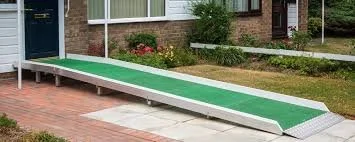
The material used for a ramp influences how the slope functions in real world use. For instance, wood ramps are common, but wood can become slippery in rain or ice. Even when the slope is compliant, the surface can introduce risk if not treated properly. Aluminum ramps often include textured surfaces that increase traction. Concrete ramps offer stability but require precise construction to maintain the correct slope.
The slope must work with the material, not against it. A gentle incline helps all materials perform better. It reduces the chance of slipping. It decreases friction on mobility devices. It prevents wear and tear.
When the slope is too steep, even the best material cannot compensate for the physical challenge it introduces.
How Ramp Length Affects Everyday Use
Many homeowners are surprised when they learn how long an ADA compliant ramp must be. They imagine something small and simple but soon discover that an accessible slope requires space. Yet once installed, most find that the longer ramp enhances daily life more than expected.
A longer ramp means more control. It means moving at a comfortable pace. It means not having to lean forward uncomfortably. It means being able to pause anywhere along the way without risk. It means a caregiver can assist more safely.
In essence, a longer ramp creates an easier, calmer, and more predictable mobility experience.
The Role of Landings in Ramp Design
ADA guidelines require landings at specific intervals and transitions. While the details may seem technical, their purpose is comforting. Landings give the user a place to rest, a space to turn, and a feeling of security at key points of the ascent or descent.
On longer ramps, landings prevent fatigue. On switchback ramps, they allow safe direction changes. At the top and bottom of the ramp, landings ensure smooth transfer from one surface to another.
Without landings, even a gentle slope could become overwhelming. Landings turn a ramp into a journey that feels manageable and thoughtfully supportive.
How Slope Influences Caregiver Support
For individuals who need assistance from a caregiver, ramp slope becomes even more important. A steep ramp requires the caregiver to apply significant force while pushing a mobility device uphill. Going downhill becomes even more challenging because the caregiver must control the speed and resist forward momentum.
A gentle slope eases this strain. It protects the caregiver’s body. It reduces the risk of losing grip. It helps the person being assisted feel more secure.
A well designed ramp supports everyone involved, not just the primary user.
Slope and Power Mobility Devices
Power wheelchairs and scooters are strong and reliable, but they are not designed to climb steep inclines continuously. A slope that exceeds ADA recommendations may strain the motor, drain the battery faster, or cause the device to stall. When descending a steep ramp, power devices may accelerate unintentionally, creating safety hazards.
ADA compliant slopes keep power devices operating within safe limits. They protect the equipment. They protect the user. They allow devices to perform as intended.
Why Noncompliant Ramps Often Fail
When ramps do not follow ADA compliant slope ratios, problems appear quickly. Users may find them exhausting or intimidating. Caregivers may struggle to assist. Wheels may slip. Devices may feel unstable. Injuries become more likely. Over time, families may stop using the ramp altogether because it does not feel safe or supportive.
Accessibility is not just about building something. It is about building something right. A ramp that exists but does not function properly is not truly accessible.
ADA Guidelines as a Foundation for Home Accessibility
While the ADA technically applies to public spaces, homeowners often adopt ADA guidelines voluntarily. They do so because these standards are tested, trusted, and centered on real human need. A ramp that meets ADA slope recommendations will serve almost anyone, regardless of mobility level.
This is especially important for homes where mobility needs may change over time. A ramp built today for one purpose may support someone else in the future. A ramp that meets ADA standards ensures safety for all.
Real Life Stories of the Difference Proper Slope Makes
I once visited a home where the family had built a makeshift ramp years before learning about ADA slope guidelines. The ramp was short and steep, but they believed it would be good enough. Over time, the person using it became increasingly anxious about going outside. They feared losing control. They feared rolling backward. They feared the pain in their arms as they strained to reach the top.
When the family replaced it with a properly sloped ramp, the change was immediate and noticeable. The first time the user tried it, they moved forward steadily and confidently. There was no hesitation. No fear. No struggle. Their shoulders relaxed. They breathed freely. They began leaving the house more often, rediscovering parts of life they had quietly avoided.
In another home, a caregiver shared how a steep ramp had caused constant worry. Descending felt dangerous. They had to hold the wheelchair back firmly, often bracing their whole body. After installing a compliant ramp, both the caregiver and the person being cared for described the experience as night and day. The caregiver’s movements became safer. The user felt more independent. The whole atmosphere of daily mobility shifted from stressful to peaceful.
These moments remind us that proper slope is not merely a calculation. It is the difference between fear and comfort. Between limitation and possibility.
Working With Professionals to Achieve Proper Slope
Designing a ramp that meets ADA slope requirements while fitting the layout of a home often requires professional guidance. Professionals measure carefully, assess terrain, evaluate door heights, and consider how weather and daily use may affect the ramp.
They create ramps that integrate gracefully with the home’s appearance. They ensure the slope remains consistent. They incorporate landings where needed. They select materials that offer both durability and traction.
The work is both technical and artistic. It blends engineering with empathy. And the final product is something that feels not just functional but welcoming.
The Importance of Thinking Long Term
Mobility needs change over time. A ramp that feels comfortable today may become essential tomorrow. This is why building a ramp with proper slope is an investment in the future. It prepares the home to support independence, safety, and comfort for years to come.
Long term thinking allows families to stay in the homes they love. It allows them to shape their environment rather than becoming limited by it.
Conclusion
A ramp is more than a structure. It is a pathway to independence, safety, and dignity. An ADA compliant slope ensures that the ramp supports real people in real moments of daily life. It protects the user from unnecessary strain. It protects caregivers from injury. It ensures mobility devices operate safely. And it communicates something powerful. That the environment recognizes and respects the person using it.
At KGC, we approach ramp design with deep care for both the technical details and the human experience. We understand that proper slope is not just a measurement. It is a promise of safety, comfort, and accessibility. It is a commitment to supporting families as they create spaces where everyone can move freely and confidently.
If you are considering a ramp for your home or want to learn more about ADA compliant design, our team is here to guide you with kindness, clarity, and expertise.
You can reach us through the KGC Contact Page.
