
The Hidden Dangers of Steep or DIY Ramps
Introduction
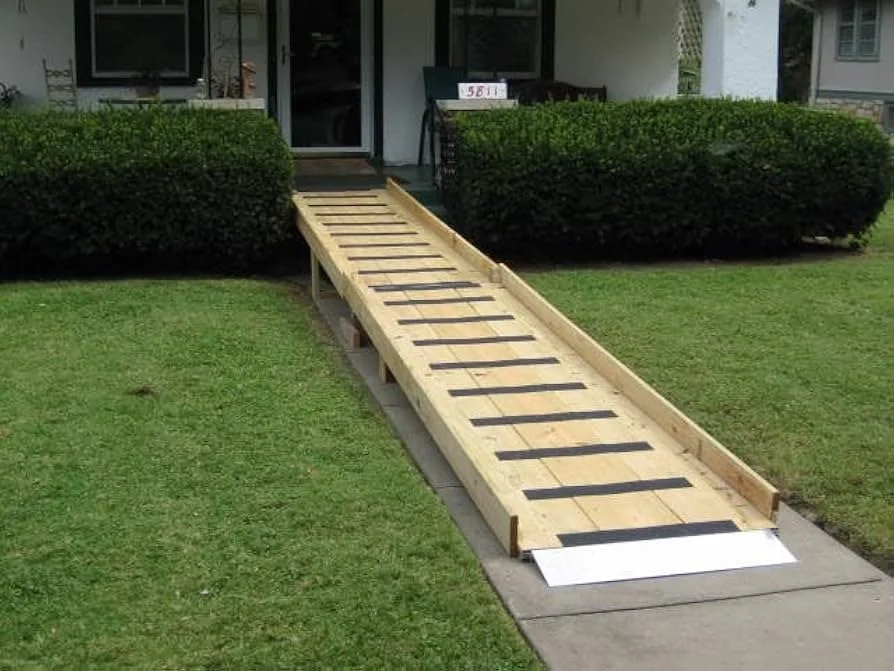
There was a morning a few years ago that I still think about more often than I expect. It was a quiet, chilly day, and someone I know was preparing to go outside. Their home had a small wooden ramp that a family member had built years before. At the time it was meant to be a helpful gesture, something to make getting in and out of the house easier. It looked sturdy enough, though it was much steeper than anything you would see in a public space. Back then, no one gave it much thought. Everyone assumed that as long as there was a ramp, accessibility was covered.
On that morning, I watched as they positioned their mobility device at the top of the ramp. They took a deep breath. They looked focused in a way I had not noticed before. They started moving downward, slowly and cautiously. Halfway down, the wheels accelerated ever so slightly. The steeper incline made controlling speed harder than it should have been. They leaned back instinctively. Their hands tightened. The device wobbled for a split second, the kind of moment that felt much longer than it really was. Thankfully, they reached the bottom safely. But the look on their face said everything. The ramp was not helping them anymore. It had become something to fear.
That moment changed the way I look at ramps, especially the ramps people build themselves without guidance or the ramps that are far too steep to be safe. Ramps are not simply wooden or metal structures. They are pathways that shape how someone experiences movement, independence, and confidence. When a ramp is poorly designed, it does far more harm than good.
In this article, we will explore the hidden dangers of steep or DIY ramps in a way that is warm, human, and deeply rooted in real lived experiences. We will look at why these ramps often fail, how they create risks that are easy to miss, and why proper design matters so profoundly for safety and dignity. Most importantly, we will explore how families can make thoughtful choices that protect independence rather than undermine it.
Why Many DIY Ramps Start With Good Intentions
DIY ramps often come from a place of care. A family member wants to help someone stay in their home. A neighbor wants to make sure a visitor can enter the front door. A temporary solution is needed quickly, and building a ramp seems like something anyone can do with a few pieces of lumber and a hammer. But a ramp that looks strong is not always strong. A ramp that looks functional is not always safe. And a ramp that looks simple often hides complexities people do not see until something goes wrong.
The truth is that ramps require careful consideration of slope, length, surface texture, weather conditions, turning clearance, landings, and support structure. These are not details that only matter in large public buildings. They matter just as much for a single step leading into someone’s home. When those considerations are not built into the design, the ramp becomes unpredictable. It may be too short. It may be too steep. It may be slippery. It may lack stability. And because it was built with kindness but not expertise, it often fails quietly until the moment it fails loudly.
DIY ramps begin with love, but they sometimes end with risk.
The Problem With Steep Ramps
A steep ramp looks harmless at first glance. It provides a straight line from one level to another, and that may seem like enough. But the slope of a ramp is everything. It determines how hard someone has to push, how fast they descend, how stable their mobility device remains, and how much strain it puts on the body.
Imagine walking down a steep hill. Your body leans back to maintain balance. Your knees work harder to control your speed. Now imagine doing the same thing in a wheelchair, walker, or scooter. The incline amplifies the challenge. Someone going up a steep ramp may have to apply significant force with their arms, straining shoulders, wrists, and back. Someone going down may find it difficult to slow their speed, creating a sense of loss of control that is not only frightening but dangerous.
Steep ramps also create tipping risks. When the front wheels of a mobility device hit a sharp incline, the balance shifts quickly. The user must respond instantly to maintain alignment. This is especially challenging for those with limited upper body strength or reflexes.
A ramp that is just a little too steep can turn into a constant source of anxiety. A ramp that is very steep becomes a hazard.
The Hidden Strain on the Body
One of the most overlooked dangers of steep or DIY ramps is the gradual physical strain they create. Many people using wheelchairs rely heavily on their arms and shoulders for movement. Pushing up a steep ramp requires far more force than navigating a flat surface. Over time, this repeated strain can contribute to shoulder injuries, back pain, or fatigue. The body is forced to work harder, and small movements that should feel manageable become taxing.
For individuals who use walkers or canes, a steep ramp puts uneven pressure on joints. The incline forces the user to lean differently, which can strain knees or hips. Even for those with decent strength, the constant effort becomes exhausting. Homes should feel restful. They should not require athletic effort to enter or exit.
A well designed ramp supports the body. A steep ramp works against it.
Why Shortcut Building Leads to Structural Problems
DIY ramps often skip essential construction principles. Someone may use too few supports or unstable materials. They may rely on nails when screws would offer better strength. They may anchor the ramp improperly or place it on uneven ground. These shortcuts appear harmless at first but can introduce subtle instability that grows worse over time.
A ramp without proper support may bounce slightly under weight. The user may not notice initially, but that movement creates a sense of unpredictability. Repeated pressure can loosen boards or create gaps. Weather can warp wood if it is untreated. Moisture can weaken joints. A seemingly solid ramp can deteriorate rapidly when construction principles are not followed.
These weaknesses are rarely visible until something shifts unexpectedly. A ramp should never surprise the person using it.
The Danger of Slippery Surfaces
Many DIY ramps use smooth lumber because it is easy to install and readily available. But smooth surfaces become slick with rain, frost, or even morning dew. Without traction strips or textured materials, the ramp becomes a risk every time the weather changes.
Even a gentle slope becomes hazardous when the surface is slippery. A steep ramp amplifies that risk dramatically. Someone descending in a wheelchair may lose control. Someone using a walker may slide. Someone using a cane may struggle to maintain footing.
Without intentional traction design, ramps become seasonal hazards. Safety should not depend on the weather.
Inadequate Landings and Transitions
A safe ramp is not only about the incline. It also depends on what happens at the top and bottom. ADA guidelines require landings so users have a stable place to rest, turn, or prepare for movement. DIY ramps often skip landings entirely. They end abruptly at the doorway or sidewalk, creating awkward transitions.
At the top of the ramp, an inadequate landing makes it difficult for someone to maneuver a wheelchair while opening the door. At the bottom, a sudden transition may cause jolting or instability. These moments are often where falls occur.
The landing is where safety begins. Without it, the ramp becomes incomplete and ineffective.
Misjudged Length and Space Requirements
One of the most common problems with DIY ramps is misjudging how long the ramp must be for safe use. A proper slope requires space, often more space than people expect. For example, a rise of twenty four inches requires a ramp twenty four feet long for safe incline. Families often underestimate this requirement and build something shorter because of yard limitations or convenience.
But shortening the ramp always steepens the slope. It always increases risk. A ramp that does not respect proper length is a ramp that cannot support independence.
Space constraints are not problems to work around by compromising safety. They are problems to be solved with expert planning.
Overlooking Weather, Climate, and Material Lifespan
Ramps live outdoors, exposed to sun, rain, snow, and seasonal changes. Wood expands and contracts. Metals heat and cool. Moisture creates rot or rust. Ice forms. Leaves collect. These conditions affect stability and traction.
DIY ramps rarely incorporate the materials or engineering needed to withstand long term weather exposure. Boards may loosen. Screws may back out. Surface treatments may wear away. Without professional installation and ongoing maintenance, weather takes its toll quickly.
A ramp must be prepared for the environment it lives in. Otherwise, the environment becomes the danger.
Emotional Stress Caused by Unstable Ramps
The most profound harm from steep or DIY ramps often goes unnoticed. It is the emotional toll. Someone who does not feel safe on their own ramp begins to avoid certain activities. They may go outside less frequently. They may wait for assistance even when they want to be independent. They may change routines to avoid the anxiety created by using the ramp.
This emotional stress affects confidence. It affects quality of life. It affects how comfortably someone feels in their own home.
Accessibility should relieve stress, not create it.
How Dangerous Ramps Affect Caregivers
When a ramp is unsafe, caregivers feel the strain as well. Pushing someone up a steep ramp requires significant physical effort. Controlling the descent demands careful strength and balance. Caregivers worry about losing grip, straining their back, or causing a fall. They may feel anxious every time they use the ramp.
A safe ramp supports the caregiver just as much as the person using it. When both parties feel secure, daily routines become easier and more peaceful.
Why Professional Ramp Design Prevents These Risks
Professional ramp builders understand the physics, geometry, and safety considerations involved in ramp design. They take careful measurements. They assess terrain. They account for seasonal impacts. They use materials with proven durability. They adhere to slope ratios that support comfort and safety. They ensure transitions feel natural and seamless.
Professionals also anticipate movements the user may not even realize matter, such as turning radius, hand clearance, ramp width, resting positions, and surface grip. They design ramps with accessibility in mind from the ground up.
A well designed ramp feels effortless. Someone using it does not need to think about stability, speed, or control. That kind of peace is the result of expertise, not guesswork.
Real Stories of How Proper Ramps Change Lives
I once met a man who had used a homemade ramp for years. It was steep but manageable when he was younger and stronger. Over time, as his strength decreased, the ramp became intimidating. He started staying home more often. The world outside felt farther away, not because of distance but because of incline.
When the ramp was replaced with a professionally designed structure built to ADA compliant slope, the first thing he said when he used it was how light he felt. The effort disappeared. The anxiety vanished. He began going outside daily. He reconnected with neighbors. He no longer needed someone standing by nervously, ready to catch him. The correct slope gave him something priceless. It gave him back his freedom.
Another family had built a steep ramp behind their home so their mother could access the garden she loved. Over time, she avoided the garden because the climb back up was exhausting. When a proper ramp replaced the steep one, she returned to tending her flowers almost immediately. The right incline restored a cherished part of her life.
These stories are not about ramps. They are about dignity, independence, and the joy of moving freely.
How to Recognize When a DIY Ramp Needs Replacement
A ramp may need replacement if it feels unstable or shifts under weight. If it becomes slippery during weather changes. If the incline feels intimidating or requires excessive force. If transitioning from ramp to doorway creates unusual strain. If cracks, gaps, or loose boards appear. If caregivers express struggle when assisting.
Most importantly, if someone hesitates at the top of the ramp or avoids using it entirely, something is wrong. A ramp should never evoke fear.
The Importance of Long Term Thinking in Ramp Design
When designing a ramp, it is important to consider not only current mobility needs but future ones. Strength may change. Balance may shift. A ramp built too steeply today will become impossible tomorrow. A ramp designed with proper slope will serve the user for years, adapting to their changing abilities.
Future planning supports aging in place. It supports independence. It protects comfort and safety long before challenges arise.
Conclusion
Steep or DIY ramps may appear helpful at first, but beneath the surface, they often carry hidden dangers that compromise safety, comfort, and independence. The slope may be too steep. The surface may be slippery. The structure may weaken over time. The design may not support the body or the mobility device. And the emotional impact of using an unsafe ramp can be just as harmful as the physical risks.
A well designed ramp is more than a piece of equipment. It is a path to freedom. It is a gateway to the world outside. It is a testament to dignity and thoughtful care.
At KGC, we believe ramps should empower, not endanger. We design each ramp with precision, compassion, and deep respect for the people who will rely on it every day. If you are concerned about the safety of a current ramp or want guidance on building one that truly supports independence, we are here to help.
You can reach our team through the KGC Contact Page.
