
What to Know Before Installing a Stairlift at Home
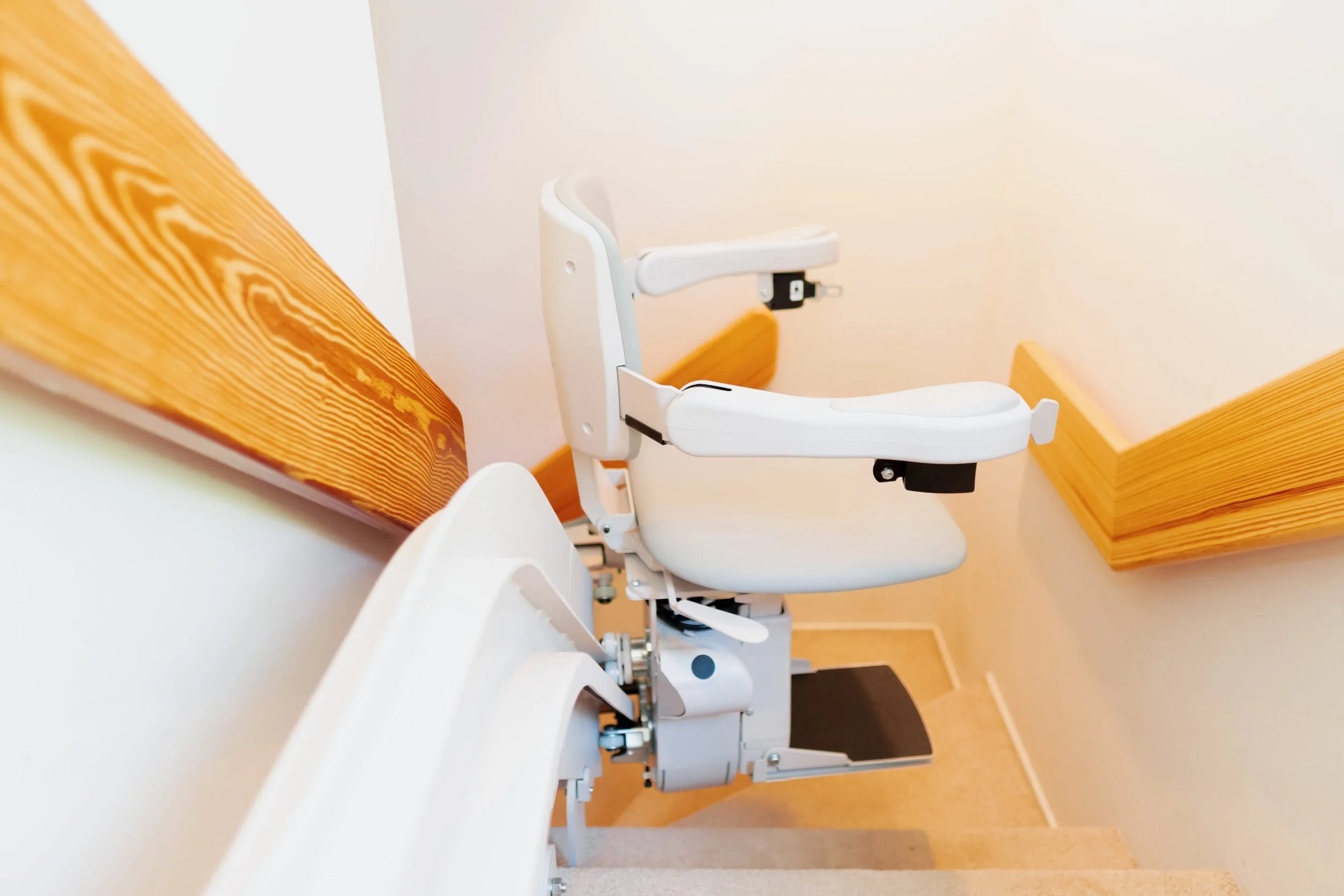
There is often a quiet moment that starts the conversation about a stairlift. It does not begin with urgency or crisis. Instead, it arrives subtly. Someone pauses at the bottom of the stairs a little longer than usual. A hand lingers on the railing for reassurance. A once simple trip upstairs starts to feel like something that requires planning rather than instinct.
In many homes, stairs symbolize independence. They connect private spaces to shared ones, mornings to evenings, rest to activity. When navigating them becomes difficult, families sometimes fear that the only option is leaving the home behind. Yet for many people, installing a stairlift is not about giving something up. It is about preserving the ability to stay exactly where life feels most familiar.
Understanding what to expect before installing a stairlift helps transform uncertainty into confidence. The process becomes less about equipment and more about creating a home that continues to support safety, dignity, and everyday freedom.
Understanding Why Families Choose Stairlifts
People consider stairlifts for many different reasons. Some individuals experience temporary mobility challenges following surgery or injury. Others notice gradual changes in balance or strength. Care partners may worry about preventing falls, especially when bedrooms or bathrooms are located on upper floors.
The decision rarely comes from one dramatic event. Instead, it grows from small observations. Avoiding the upstairs laundry room. Sleeping on the couch instead of climbing to the bedroom. Carrying items one step at a time while focusing intensely on stability.
A stairlift restores natural movement between floors. Rather than restructuring daily routines around physical limitations, the home adapts to support the person living within it.
Many families describe a sense of relief once they begin exploring solutions. The idea of staying home safely suddenly feels achievable again.
Evaluating Your Staircase Layout
One of the first considerations is the staircase itself. Every stairway tells a different architectural story. Some run in a straight line from bottom to top. Others include turns, landings, or gentle curves that add character to the home.
A straight staircase typically allows for a straightforward installation. The rail follows a single path, and the process tends to move quickly from consultation to completion.
Homes with corners or intermediate landings may require a custom-designed rail that follows the staircase’s shape precisely. This customization ensures smooth travel without altering the structure of the home.
Many homeowners feel surprised when they learn that stairlifts attach to the stair treads rather than the wall. Installation usually does not involve major renovation. Walls remain untouched, and the staircase continues to function normally for everyone else in the household.
Seeing how seamlessly a stairlift integrates into existing architecture often shifts initial hesitation into excitement.
Thinking About Daily Living and Lifestyle Needs
Installing a stairlift is not simply a mechanical decision. It is deeply connected to how someone lives within their home.
Consider the rhythm of daily routines. How often are the stairs used? Which rooms matter most? Are there hobbies or activities located upstairs that someone has quietly stopped enjoying?
A stairlift restores access to these spaces. Bedrooms feel reachable again. Home offices reopen. Craft rooms, libraries, or exercise areas become part of daily life once more.
Families sometimes compare it to turning the lights back on in half of the home. Spaces that had slowly faded from use suddenly feel welcoming again.
It is also important to consider how multiple household members will share the staircase. Modern stairlifts fold neatly when not in use, allowing others to walk comfortably alongside the rail. The goal is harmony rather than disruption.
Understanding Comfort and Design Options
Older perceptions of stairlifts often involve bulky chairs and clinical appearances. Modern systems look very different.
Today’s stairlifts are designed with comfort and aesthetics in mind. Seats are padded and supportive. Armrests provide stability. Upholstery choices blend with home décor rather than standing out as medical equipment.
Many homeowners find themselves pleasantly surprised by how discreet a stairlift appears once installed. The chair folds compactly against the wall, leaving the staircase visually open.
Comfort extends beyond appearance. Smooth starts and stops reduce jolting movements. Quiet motors allow rides that feel calm and predictable. Some people describe the experience as similar to being gently carried rather than lifted.
Design matters because accessibility solutions should enhance the home, not compromise its warmth or personality.
Preparing for the Home Assessment
Before installation, a professional assessment helps determine the best solution. This visit feels less like a sales appointment and more like a collaborative conversation.
Specialists measure the staircase carefully, evaluate clearances, and discuss mobility goals. They may ask about daily routines, transfer abilities, and long-term plans for remaining at home.
Families often discover that this conversation brings clarity. Questions that felt overwhelming begin to make sense when explored step by step.
The assessment also helps identify practical considerations such as electrical access, parking positions for the chair, and safe entry and exit points at the top and bottom of the stairs.
Rather than rushing into a decision, the process encourages thoughtful planning that respects individual needs.
Installation Day Expectations
One of the most common fears surrounding stairlifts involves disruption to the home. Many people imagine construction noise, dust, or days of inconvenience.
In reality, installation is usually quick and minimally invasive. Because the rail attaches directly to the stair treads, there is rarely a need for structural modification. Skilled technicians assemble the rail, secure the chair, test safety systems, and demonstrate operation.
The home remains fully functional throughout the process.
Families often describe installation day as surprisingly calm. Within hours, the staircase transforms from a source of worry into a pathway restored.
Learning to operate the stairlift is simple. Controls are intuitive, and technicians ensure users feel confident before leaving.
Safety Features That Provide Peace of Mind
Safety sits at the heart of stairlift design. Modern systems include multiple layers of protection working quietly behind the scenes.
Seat belts provide stability during travel. Obstruction sensors stop the lift automatically if something blocks the track. Swivel seats rotate at the top landing, allowing safe exit away from the staircase edge.
Battery backup systems ensure operation even during power interruptions, preventing users from becoming stranded between floors.
These features create confidence not only for the person using the stairlift but also for family members who may worry about fall risks.
The result is a home environment where movement feels secure rather than stressful.
Considering Long-Term Accessibility
Installing a stairlift often represents a forward-thinking decision rather than a reactive one. Families who plan early frequently experience smoother transitions as mobility needs evolve.
Accessibility is not about predicting limitations. It is about preserving choices. A stairlift ensures that bedrooms, bathrooms, and living spaces remain accessible regardless of changing circumstances.
Many homeowners compare it to installing handrails or improved lighting. These features support safety without defining the person using them.
Thinking long-term allows families to remain in familiar surroundings while maintaining independence.
Emotional Benefits Beyond Mobility
The emotional impact of a stairlift is often underestimated. Physical access influences emotional well-being more than many people realize.
When someone avoids stairs, their world slowly shrinks. Favorite spaces become memories rather than daily experiences. Social gatherings move downstairs. Personal routines change quietly.
After installation, families frequently notice renewed confidence. Individuals begin moving freely again, reclaiming independence in ways that feel deeply personal.
Care partners experience relief as well. The constant worry about falls diminishes. Assistance becomes less physically demanding, allowing relationships to focus more on connection and less on risk.
Accessibility solutions succeed when they restore normal life rather than draw attention to challenges.
Maintenance and Ongoing Support
Stairlifts require minimal maintenance, but regular service ensures continued reliability. Professional inspections help keep the system operating smoothly, much like maintaining a vehicle or home appliance.
Routine care protects both safety and performance. Many providers offer service plans that include inspections, adjustments, and ongoing support.
Knowing help is available if questions arise provides lasting reassurance.
The stairlift becomes a trusted part of the home, quietly supporting everyday movement year after year.
Addressing Common Concerns Before Installation
Many families initially worry about space, cost, or appearance. These concerns are natural, especially when considering a new addition to the home.
Seeing modern stairlifts in person often changes perceptions. Their compact design, smooth operation, and quiet performance reveal how seamlessly they integrate into daily life.
Another common concern involves independence. Some individuals hesitate because they associate mobility equipment with loss of autonomy. Yet most users report the opposite experience. A stairlift removes barriers, allowing individuals to move freely without assistance.
Instead of limiting independence, it restores it.
Creating a Home That Grows With You
Homes evolve alongside the people living within them. Accessibility improvements reflect a commitment to comfort, safety, and long-term well-being.
Installing a stairlift is not about changing who someone is. It is about ensuring the home continues to support the life they want to live.
The staircase remains part of the home’s story. The difference is that it becomes welcoming again rather than intimidating.
Each ride represents a small but powerful affirmation that independence can continue in familiar surroundings.
Conclusion: A Personalized Approach With KGC
Choosing to install a stairlift is ultimately a decision rooted in care, foresight, and respect for independence. Understanding what to expect before installation helps families move forward with confidence, knowing that accessibility solutions can enhance daily living without sacrificing comfort or style.
At KGC, every mobility solution begins with listening. Homes, routines, and personal goals are all considered carefully to create customized stairlift installations that feel natural within each environment. The focus is not simply on equipment but on supporting individuals and families as they continue living safely and confidently at home.
If you are considering a stairlift or exploring ways to make your home safer and more accessible, the next step starts with a conversation. Visit the KGC Contact Page to connect with a specialist and learn how a tailored solution can help you or your loved one maintain independence at home.
