
Straight vs Curved Stairlifts: Which One Do You Need?
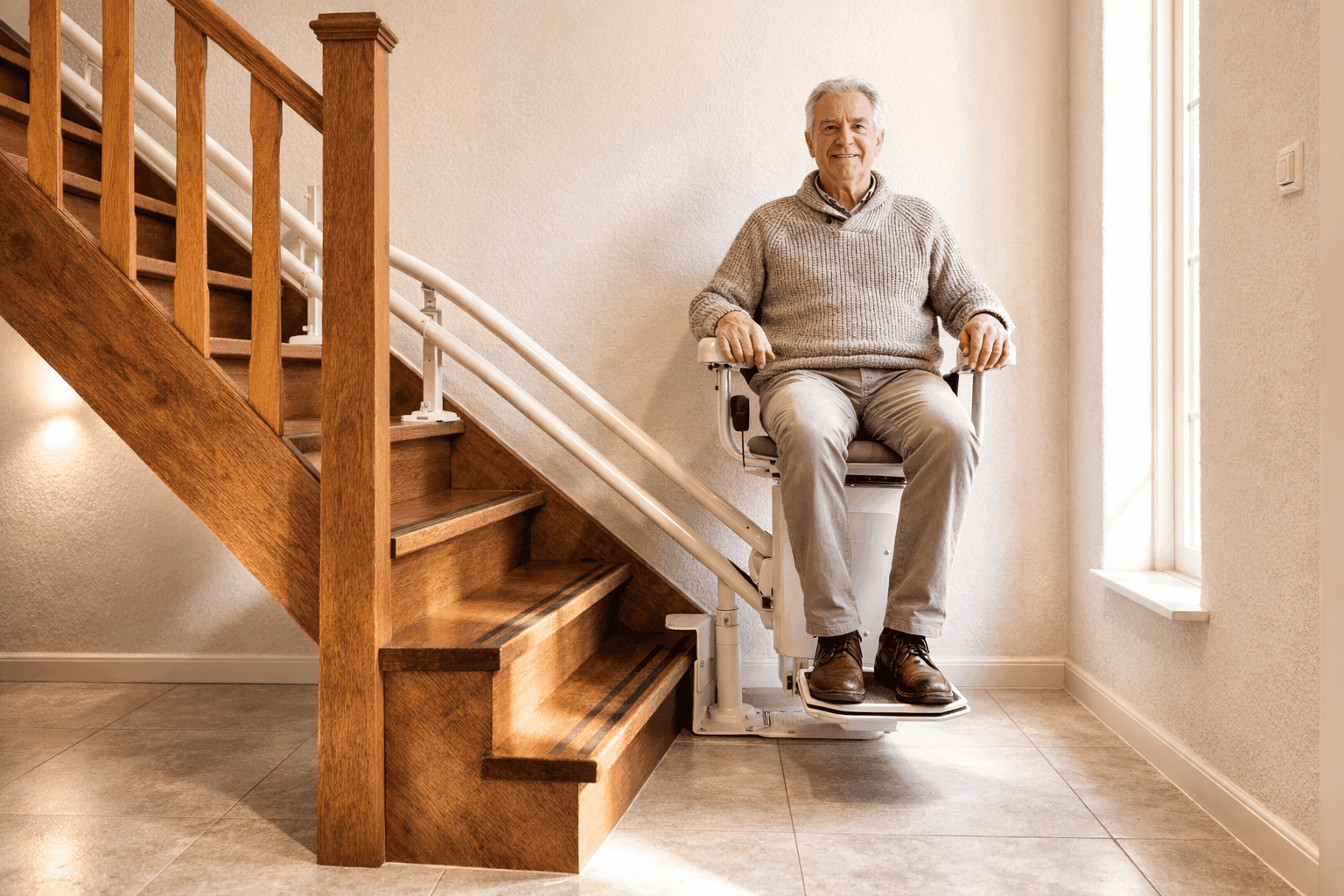
Choosing a stairlift often begins with a moment that feels both small and significant. One day, the stairs that once felt ordinary suddenly require more thought. Maybe someone pauses halfway up to rest. Maybe carrying laundry feels less steady than it used to. Maybe a loved one begins avoiding the second floor altogether, choosing convenience over comfort simply because navigating steps has become stressful.
In many homes, stairs are more than architecture. They connect bedrooms to kitchens, quiet mornings to busy evenings, independence to safety. When movement between floors becomes difficult, families often worry that the only solution is moving away from the home they love. But stairlifts change that story. They allow people to remain where memories live while restoring confidence in everyday movement.
One of the first questions families ask is whether they need a straight stairlift or a curved stairlift. The answer is not about choosing the “better” option. It is about understanding how each system works with the home’s layout, lifestyle needs, and long-term goals.
Understanding the difference helps transform what can feel like a complicated decision into a thoughtful step toward safer, more comfortable living.
Understanding How Stairlifts Work in Real Homes
A stairlift is designed to move a person smoothly along a staircase while seated comfortably and securely. Instead of climbing steps, the individual rides along a rail mounted directly to the staircase itself. This distinction matters because installation rarely requires major renovation. Walls remain untouched, and the home’s character stays intact.
Many people imagine stairlifts as bulky medical equipment, but modern designs are discreet, quiet, and surprisingly elegant. Chairs fold neatly when not in use. Upholstery complements home interiors. Movements are gentle and controlled, more like a slow glide than a mechanical ride.
The experience often feels similar to installing better lighting in a hallway. Nothing dramatic changes visually, yet daily life becomes noticeably easier.
The type of staircase determines whether a straight or curved system is needed.
What Is a Straight Stairlift?
A straight stairlift is designed for staircases that travel in one continuous line from bottom to top without turns, corners, or intermediate landings. The rail runs directly along the staircase in a simple path.
Homes with standard staircases often qualify for straight stairlifts, which makes them the most common option. Installation tends to be quicker because the rail does not require custom shaping.
Imagine placing a train on a perfectly straight track. The movement is predictable, efficient, and smooth. Straight stairlifts operate on this same principle.
Families often appreciate how quickly a straight stairlift can be installed. In many cases, installation takes only a few hours. The system blends into daily life almost immediately, restoring full access to the home without disruption.
Straight stairlifts also tend to be more budget-friendly because they use standardized rails rather than custom-built components.
For many households, the simplicity of the staircase makes the decision straightforward.
When a Curved Stairlift Becomes the Right Choice
Not all staircases follow a straight path. Some turn at a landing. Others spiral gently upward or curve around architectural features. These designs add beauty to a home but require a different accessibility solution.
Curved stairlifts are custom-built to follow every contour of the staircase. The rail is measured precisely and manufactured to match each bend and angle.
Picture a ribbon carefully shaped to follow the edges of a staircase without interruption. That is how a curved stairlift moves, maintaining a continuous, safe journey even through complex layouts.
Because curved systems are customized, they typically require more planning and manufacturing time. However, they offer something invaluable: full accessibility without sacrificing the home’s original design.
Families often feel relieved discovering they do not need to remodel or relocate simply because their staircase includes turns.
The lift adapts to the home rather than forcing the home to change.
Comparing Everyday Experiences Instead of Specifications
When people compare stairlift types, they often focus on technical differences. Yet what truly matters is how each system feels in daily life.
A straight stairlift provides efficient travel along a simple path. It feels predictable, much like driving down a quiet road with no intersections. For households with uncomplicated staircases, this option offers reliability and ease.
A curved stairlift feels more personalized. It navigates corners smoothly, preserving natural movement throughout the home. Riding one feels similar to following a familiar walking path that gently turns where needed.
Neither option is inherently better. Each exists to serve different architectural realities.
The real question becomes how your staircase tells its story.
Considering Comfort and Independence
Comfort plays a significant role in choosing the right stairlift. The goal is not merely transportation between floors but restoring confidence.
Many individuals initially worry about feeling dependent when using a stairlift. Surprisingly, the opposite often happens. Once installed, the lift removes hesitation from daily routines. People return to using upstairs bedrooms, home offices, or hobby spaces they had quietly stopped visiting.
Families notice emotional shifts as well. Care partners feel less anxious about falls. Household routines become smoother. Independence returns in subtle but meaningful ways.
Choosing the right stairlift supports dignity, allowing movement to remain a personal decision rather than a physical limitation.
Installation Expectations for Each Type
Straight stairlift installation is typically faster because rails arrive pre-manufactured. Technicians secure the track to stair treads, install the chair, test safety systems, and guide the household through operation.
Curved stairlifts involve additional steps before installation begins. Specialists measure the staircase carefully, often using digital scanning technology to capture precise dimensions. The custom rail is then fabricated before installation day arrives.
Although the timeline differs, both processes prioritize minimal disruption. Homes remain livable throughout the process, and installation rarely requires structural modification.
Many families describe installation day as surprisingly calm, more like welcoming a helpful new appliance than undergoing construction.
Space Considerations and Home Design
One common concern involves whether a stairlift will make the staircase feel crowded. Modern designs address this thoughtfully.
Seats, armrests, and footrests fold away when not in use, allowing others to walk the stairs normally. Rails sit close to the wall or staircase edge, maintaining usable space.
Curved stairlifts often impress homeowners because the custom rail hugs corners elegantly, preserving visual openness even in tighter layouts.
Rather than overwhelming the home, stairlifts frequently blend into the environment, becoming another natural part of the household.
Safety Features That Matter Regardless of Type
Whether straight or curved, modern stairlifts share important safety principles. Smooth starts and stops prevent jolting movements. Sensors detect obstacles and stop the lift automatically. Seat belts provide secure positioning, while swivel seats allow safe entry and exit at the top landing.
These features work quietly in the background, offering reassurance without drawing attention.
Safety becomes less about restriction and more about freedom. Individuals move confidently, knowing the system supports them every step of the way.
Long-Term Planning and Future Needs
Families often approach stairlift decisions while addressing a current mobility challenge. Yet the best choices consider future comfort as well.
A straight stairlift meets present needs beautifully when the staircase allows it. A curved stairlift provides adaptability in homes designed with multiple levels and transitions.
Thinking ahead does not mean anticipating decline. Instead, it reflects a commitment to living comfortably at home for years to come.
Many households discover that installing a stairlift early prevents future stress. Instead of reacting to an urgent situation, they create an environment that supports evolving needs gracefully.
Emotional Impact of Staying at Home
Homes carry stories. Favorite reading chairs sit by windows filled with morning light. Kitchens hold memories of celebrations and everyday conversations. Bedrooms reflect personal routines developed over decades.
When stairs become barriers, people sometimes feel their world shrinking. Installing a stairlift expands that world again.
One family described watching a loved one return upstairs independently for the first time in months. The moment felt ordinary yet profound. Independence had quietly returned.
Accessibility solutions succeed when they restore normalcy rather than draw attention to limitation.
Choosing With Confidence
Selecting between straight and curved stairlifts becomes easier when families focus on partnership rather than product comparison.
A professional assessment helps determine which system fits the home’s architecture, mobility needs, and aesthetic preferences. Measurements, lifestyle discussions, and personalized recommendations transform uncertainty into clarity.
The right stairlift should feel like it belongs in the home, supporting daily routines naturally and respectfully.
In the end, the question is not simply which stairlift you need. It is how you want your home to continue supporting the life lived inside it.
Conclusion: A Personalized Path Forward With KGC
Choosing between a straight and curved stairlift is ultimately about preserving independence while honoring the unique design of your home. Every staircase tells a different story, and the best accessibility solution respects both personal comfort and architectural character.
At KGC, accessibility is never one-size-fits-all. Each mobility solution is thoughtfully customized to match individual lifestyles, home layouts, and long-term goals. From consultation through installation and ongoing support, KGC focuses on creating environments where safety, style, and dignity exist together seamlessly.
If you are exploring stairlift options or planning for safer mobility at home, the next step begins with a conversation. Visit the KGC Contact Page to connect with a specialist and discover how a tailored accessibility solution can help you or your loved one continue living confidently at home.
