
What Is a Patient Lift System and How Does It Work?
Making Everyday Transfers Safer and More Comfortable
Simple movements that many people rarely think about can become some of the most physically demanding parts of the day for individuals with limited mobility and the people who care for them. Moving from a bed to a wheelchair, transferring to a recliner, or getting into the bathroom safely may require strength, careful coordination, and constant attention to safety. Without the right equipment, these everyday moments can place physical strain on caregivers while leaving the individual feeling uncomfortable or uncertain.
A patient lift system changes that experience. Instead of relying primarily on lifting or supporting another person's weight manually, the lift provides controlled, secure assistance that allows transfers to happen more smoothly and with greater confidence. For many families, installing a patient lift is one of the most meaningful improvements they can make to create a safer, more accessible home.
Although patient lifts are commonly associated with hospitals and rehabilitation centers, they have become increasingly popular in residential settings. Advances in accessibility technology have made modern lift systems more practical, more comfortable, and better suited to the needs of families who want to support independence while reducing the physical demands of caregiving.
Understanding how these systems work helps homeowners make informed decisions about creating a home that supports both safety and quality of life.
What Is a Patient Lift System?
A patient lift system is a mobility solution designed to assist with safely transferring an individual from one location to another.
Rather than requiring caregivers to manually lift or support someone's body weight, the system uses specialized lifting equipment to move the individual in a controlled and secure manner.
Patient lifts can assist with transfers between beds, wheelchairs, recliners, toilets, bathtubs, and other commonly used areas of the home.
The primary purpose is not simply to make movement easier but to reduce the risk of injury for both the individual and the caregiver while preserving dignity throughout the transfer process.
A properly selected lift system allows movement to feel safer, more comfortable, and less physically demanding.
How a Patient Lift System Works
Although designs vary, most patient lift systems operate using the same basic principles.
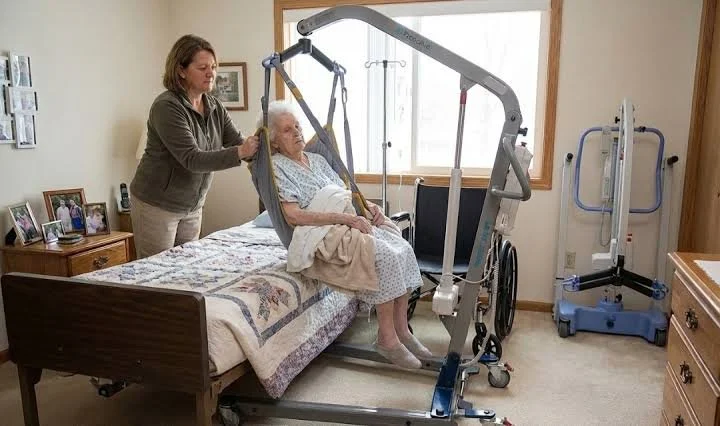
The individual is comfortably positioned in a specially designed sling that supports the body during the transfer.
The sling attaches securely to the lift mechanism using connection points that are selected based on the person's size, mobility needs, and level of support required.
Once the sling is properly secured, the lift gently raises the individual from the original surface.
The system then moves them smoothly to the desired location before lowering them carefully into position.
Throughout the process, movement remains slow, controlled, and predictable, allowing both the individual and the caregiver to feel more comfortable.
The goal is to create a transfer that feels natural rather than rushed or physically demanding.
The Main Components of a Patient Lift System
Every patient lift system includes several important components working together.
The lift mechanism provides the power needed to safely raise and lower the individual.
The sling supports the body throughout the transfer and is selected according to the user's physical needs and the type of transfer being performed.
Many systems also include tracks, support frames, or portable bases depending on the lift design.
Control systems allow caregivers to operate the lift smoothly while maintaining precise control over movement.
Together, these components create a coordinated system that prioritizes both safety and comfort.
Different Types of Patient Lift Systems
Patient lift systems are available in several configurations to accommodate different homes and mobility needs.
Ceiling-mounted lift systems travel along tracks installed on the ceiling, allowing individuals to move between multiple locations without occupying floor space.
Freestanding lift systems provide similar lifting support without requiring permanent ceiling installation. These systems can often be relocated within the home when needed.
Portable floor lifts use wheeled bases that move between rooms, making them a flexible option for households where transfers occur in different areas.
Each type offers unique advantages depending on the home's layout, available space, and the individual's daily routines.
Professional evaluations help determine which solution best supports long-term accessibility.
Supporting Safer Transfers
One of the greatest benefits of a patient lift system is the increased level of safety it provides.
Manual lifting places significant physical demands on caregivers.
Even experienced caregivers may experience fatigue, muscle strain, or back injuries after performing repeated transfers.
Using a patient lift reduces much of that physical effort.
The lift supports the individual's weight while allowing caregivers to focus on positioning, communication, and comfort instead of physical lifting.
This creates a safer experience for everyone involved.
Improving Comfort During Movement
Comfort plays an important role in successful transfers.
Sudden movements or awkward lifting positions can create anxiety and discomfort for individuals with limited mobility.
Patient lift systems are designed to provide smooth, gradual movement from beginning to end.
Rather than being hurried through a transfer, individuals experience steady, controlled motion that helps them feel secure.
The appropriate sling also distributes body weight comfortably, reducing unnecessary pressure during movement.
Many people discover that transfers become significantly less stressful after a lift system is introduced into their daily routine.
Promoting Greater Independence
Although patient lift systems are often associated with caregiver assistance, they also support greater independence.
Some individuals are able to participate more actively in transfers when the physical lifting demands are reduced.
Knowing that a safe transfer system is available often increases confidence and encourages greater participation in everyday routines.
This sense of independence extends beyond movement itself.
It allows individuals to feel more involved in decisions about their care while maintaining greater control over their daily lives.
Accessibility is ultimately about supporting personal choice and dignity.
Reducing Caregiver Fatigue
Providing daily care is rewarding, but it can also be physically demanding.
Repeated lifting and transferring place considerable strain on muscles and joints.
Over time, these demands may contribute to chronic discomfort or injury.
Patient lift systems help reduce that strain.
Instead of relying on physical strength alone, caregivers can perform transfers using controlled mechanical assistance.
This allows them to conserve energy while continuing to provide attentive, compassionate care.
Reducing physical fatigue also helps caregivers remain healthier over the long term.
Where Patient Lift Systems Are Commonly Used
Many people assume patient lifts are only useful in bedrooms.
In reality, they can support accessibility throughout the home.
Transfers commonly occur between beds and wheelchairs, but lift systems are also valuable in bathrooms, living rooms, therapy areas, and other spaces where mobility assistance is needed.
Ceiling track systems can even connect multiple rooms, creating continuous accessibility throughout the home.
Planning these routes carefully allows individuals to move more comfortably between different areas without repeated manual transfers.
Choosing the Right Lift System
Every person's mobility needs are different.
Some individuals require full-body support during every transfer, while others need only partial assistance.
The home's layout, ceiling structure, available floor space, caregiver involvement, and long-term mobility goals all influence the selection process.
Professional accessibility specialists evaluate these factors carefully before recommending a lift system.
Rather than choosing equipment based solely on specifications, they focus on how the system will function during everyday life.
This personalized approach helps ensure that the lift provides both safety and long-term value.
Professional Installation Makes a Difference
Installing a patient lift system involves more than placing equipment in a room.
Ceiling-mounted systems require careful structural evaluation to ensure tracks are properly supported.
Freestanding and portable systems also benefit from professional setup to confirm stability, positioning, and ease of operation.
Training is equally important.
Caregivers should understand how to position slings, operate controls, and perform transfers comfortably before using the system independently.
Professional installation and education help families gain confidence while maximizing safety.
Creating a More Accessible Home
A patient lift system represents much more than a mobility device.
It creates opportunities for safer caregiving, greater independence, improved comfort, and enhanced quality of life.
Families often discover that transfers become less stressful, daily routines become smoother, and everyone involved feels more confident.
Accessibility improvements like patient lift systems allow people to remain comfortably at home while supporting changing mobility needs over time.
When thoughtfully selected and professionally installed, they become valuable tools that promote dignity, safety, and peace of mind.
Conclusion
Patient lift systems provide a safer, more comfortable way to transfer individuals between beds, wheelchairs, chairs, bathrooms, and other areas of the home. By reducing physical strain on caregivers while improving stability, comfort, and confidence during every transfer, these systems help create more accessible living environments that support long-term independence and quality of life.
At KGC, every patient lift solution is carefully tailored to the individual's mobility needs, home layout, and caregiving routine. From professional assessments to customized installations, KGC is committed to providing accessibility solutions that prioritize safety, comfort, and dignity while helping families remain confident in the care they provide at home.
If you're considering a patient lift system for your home, visit the KGC Contact Page to connect with a KGC specialist and find the accessibility solution that's right for you.
