
The Best Rooms to Install Overhead Patient Lifts and Why
Introduction
There are moments in caregiving that feel almost invisible at first. They happen in the quietest corners of the day, in the gentle rituals that once felt effortless but now require a different kind of attention. I remember one morning when someone I love was preparing to get out of bed. The room was still dim, holding that soft, early light that slips through blinds before the sun fully rises. For years, helping them transition from bed to their chair had been a familiar routine, something we did together with a rhythm that rarely changed. But on this morning, there was a shift so small that it might have passed unnoticed had I not been paying such close attention.
As I stepped toward the bedside, I saw their hand searching for balance a fraction longer than usual. Their body hesitated for just a breath before moving. The moment was quiet, uneventful, yet so full of meaning. I felt myself leaning in instinctively, offering support in a way that felt natural and intuitive, but also with a growing awareness that this daily movement was becoming more demanding for both of us.
Later that day, that moment replayed in my mind. It was not fear that I felt, but clarity. The routines that supported us for years were no longer enough. The act of helping was becoming heavier, more complicated, and more physically taxing. And beneath all of that was the deeper truth that the person I loved deserved to feel secure and dignified, not dependent solely on someone’s strength.
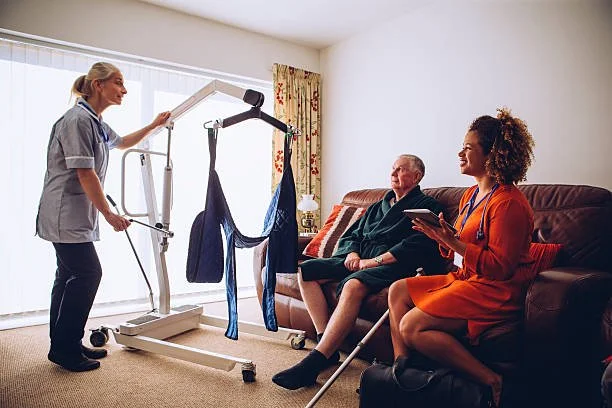
That realization led us to explore overhead patient lifts. Initially, the idea felt overwhelming. I imagined bulky equipment hanging in the room or complicated systems that would disrupt the simplicity of daily life. But as I learned more, my perspective changed. I discovered that overhead lifts are not intrusive. They are liberating. They allow movement to be gentle, not strained. They give caregivers confidence. They protect the one receiving care. They offer support that honors dignity rather than diminishing it.
One of the first questions families ask when considering an overhead lift is simple but important. Where should it go? Which rooms will benefit the most? How do you choose the layout that best supports daily routines?
The truth is that every home is different, and every person’s mobility needs are unique. But there are certain rooms where overhead lifts make especially profound differences. Understanding why these rooms matter, how they support safety, and how lifts transform everyday life in those spaces is essential.
This guide explores those rooms with warmth, clarity, and practical insight so you can understand where overhead lifts make the biggest impact and why.
Why Room Selection Matters for Overhead Lifts
Overhead lifts are not just pieces of equipment. They are part of the home’s flow. They shape how someone moves throughout their day and how caregivers support that movement. The room chosen for installation influences everything from comfort to safety to the emotional experience of receiving care.
A well placed lift reduces strain. It prevents falls. It smooths transitions. It creates a sense of confidence in daily routines. It makes caregiving more sustainable and reduces physical risk for the caregiver. And most importantly, it preserves dignity.
Different rooms play different roles in daily life. Some involve delicate movements. Others require more physical effort. Some are used multiple times per day. Some are intimate and require privacy. Some are physically demanding spaces even for people with full mobility.
When choosing the best rooms for overhead lifts, it is not simply about where the equipment fits. It is about where the person being supported will benefit most. It is about where safety matters. Where comfort matters. Where ease will transform someone’s quality of life.
The Bedroom: The Heart of Daily Movement
The bedroom is almost always the first room families consider for overhead lift installation, and with good reason. It is the space where the day begins and ends. It is where someone transitions in and out of bed. It is where repositioning, turning, and resting occur. It is where privacy matters deeply. And it is often the room where mobility challenges first become noticeable.
For many individuals, getting out of bed is one of the most physically demanding movements. It requires shifting weight, stabilizing muscles, and coordinating multiple parts of the body. For caregivers, assisting with this transition often involves lifting, bending, pulling, or supporting most of the person’s weight. Over time, this creates strain for both people.
An overhead lift in the bedroom changes everything.
It transforms the movement from bed to wheelchair into a smooth, controlled experience. It eliminates the need for physical lifting. It protects joints, muscles, and balance. It allows the caregiver to guide rather than carry. And it reduces the emotional tension that can arise when someone fears losing balance or causing accidental injury.
Overhead lifts in the bedroom also support repositioning. Many individuals need help turning in bed, adjusting posture, or relieving pressure points. Without a lift, these movements can require significant physical effort and sometimes create discomfort. With an overhead lift, repositioning becomes gentle and safe.
The bedroom is also where privacy carries the greatest emotional weight. Many people feel vulnerable during transfers or repositioning. The overhead lift supports them with quiet dignity. It allows them to feel secure rather than exposed. It allows caregivers to support the routine without awkward lifting or close physical strain.
For these reasons, the bedroom is one of the most impactful spaces for overhead lift installation.
The Bathroom: A Space of Complexity and Vulnerability
Bathrooms are among the most challenging rooms for mobility, even for individuals without significant physical limitations. Tight spaces, slick floors, moisture, and the need to transition between sitting and standing positions make bathrooms inherently risky.
For people with mobility needs, bathroom movement can become one of the most stressful parts of the day. It requires balance, precision, and multiple steps. Caregivers must sometimes lift, brace, or support their loved one in awkward positions. And the risk of slips or falls is significantly higher in this environment.
Installing an overhead lift in the bathroom creates both safety and dignity.
It allows someone to be lifted directly into or out of the bath or shower. It supports transfers onto or off the toilet without requiring physical strain. It provides stable support in a slippery environment. It reduces the risk of falls dramatically. And it allows the caregiver to maintain control with calm, steady guidance instead of relying on physical strength.
Bathroom overhead lifts can be installed as part of a continuous track system that connects the bedroom to the bathroom. This is one of the most transformative lift configurations available because it eliminates the need for separate transfers between rooms. The entire movement from bed to toilet to shower becomes a single, safe, seamless experience.
For many families, the bathroom is where overhead lifts bring measurable relief. They reduce stress. They reduce risk. They restore autonomy in one of the most personal parts of daily life.
The Living Room: Supporting Comfort and Social Connection
The living room is often overlooked when families discuss overhead lift installation, yet it plays a central role in daily life. It is where people gather. It is where someone relaxes, watches television, reads, or visits with family. It is where life unfolds in small but meaningful ways.
For individuals who spend extended time in the living room, transitioning into and out of chairs or recliners can be challenging. Standing up, lowering down, and repositioning require balance and strength. Caregivers often find themselves assisting frequently throughout the day.
An overhead lift in the living room can support these transitions with ease. It provides a steady, controlled way to move from sitting to standing. It protects the individual’s shoulders, back, and legs from strain. It protects caregivers from repeated lifting. And it ensures that the person can remain involved in daily activities without feeling limited to one room.
For individuals who spend significant time in specialized chairs or medical recliners, repositioning support becomes essential. Overhead lifts allow gentle movements to prevent pressure injuries and promote comfort.
The living room is more than a shared space. It is a space of connection. Installing a lift in this room supports the individual’s ability to engage fully with family life.
The Hallway: Supporting Transitions Between Rooms
Hallways are not rooms, yet they play a vital role in how a home functions. For individuals using overhead lifts, hallways become essential pathways between the rooms where daily routines unfold.
Installing ceiling tracks in hallways allows smooth travel between the bedroom and bathroom, between the bedroom and living room, or toward any other essential space. The transitions become seamless and continuous. The person using the lift does not need to be transferred into a wheelchair or floor lift to navigate from one room to another.
This continuity creates comfort and safety. It reduces the number of transfers. It prevents the strain of repositioning in tight spaces. It makes movement feel natural, not fragmented.
Hallway tracks are especially valuable in homes where the bathroom and bedroom are close together. They create a direct path, reducing the complexity of morning and evening routines.
The Kitchen: A Space of Participation and Independence
The kitchen is one of the most active spaces in the home. It is a place of nourishment, conversation, and routine. For individuals with mobility challenges, being part of kitchen life can become difficult if the space is not accessible.
Installing an overhead lift in the kitchen is less common but can be deeply meaningful for individuals who enjoy participating in meal preparation, sitting at the kitchen table, or engaging socially during meals.
A lift in this space allows someone to move easily into and out of their chair. It allows caregivers to support positioning safely. It makes mealtimes more comfortable. And it keeps the individual connected to daily rituals that bring joy and normalcy.
For families who eat together, the kitchen is often the heart of the home. Supporting mobility here helps maintain emotional connection.
The Home Office or Study: Supporting Productivity and Purpose
For individuals who work from home or enjoy reading, writing, or hobbies, the home office becomes an important environment. Installing an overhead lift in this space ensures that meaningful activities remain accessible.
A lift allows someone to move easily into a supportive chair. It supports posture adjustments during longer periods of sitting. It helps manage transitions into or out of the workspace without strain.
Purpose and productivity contribute deeply to emotional wellbeing. Supporting mobility in the spaces where someone feels creative or productive preserves these essential aspects of identity.
The Entryway: The Gateway Between Home and the Outside World
Some families choose to install overhead lifts near doorways or entry points, especially when the individual frequently moves between indoors and outdoors. This can be particularly helpful when the entryway includes steps or uneven surfaces.
An overhead lift near the entry provides safe support during transitions to mobility devices or accessible vehicles. It allows someone to leave the home with confidence, not fear. It also reduces strain for caregivers who must help with outdoor transfers.
The entryway represents freedom, independence, and access to the world beyond the home. Supporting this space can significantly enrich daily life.
Combination Systems: Connecting Multiple Rooms for Full Home Mobility
One of the most transformative lift configurations involves installing a ceiling track system that connects several rooms. This is often called an H track or whole room coverage system, and it allows the user to move from room to room without needing to complete intermediate transfers.
A continuous track might link:
Bedroom
Bathroom
Hallway
Living room
This kind of setup is life changing. It reduces the number of times the user is lifted or repositioned. It allows fluid movement throughout daily routines. It eliminates awkward transfers that can cause strain or injury. It helps caregivers manage care more easily. And it gives the individual a sense of freedom in their own home.
How Personal Routines Shape the Best Placement
While certain rooms are universally beneficial, the best placement always depends on the individual’s daily routines. Some people spend most of their time in the bedroom and living room. Others move frequently between the bedroom and bathroom. Others enjoy spending time in hobby spaces, kitchens, or studies.
Observing where the individual needs the most support creates clarity. The lift should support the spaces where safety, comfort, and independence matter most.
The Emotional Experience of Overhead Lift Placement
Installing an overhead lift is not just a physical decision. It is an emotional one. The room chosen influences how someone feels about their home, their care, and their independence.
A lift in the bedroom creates security.
A lift in the bathroom creates privacy and dignity.
A lift in the living room creates connection.
A lift in the kitchen creates inclusion.
A lift along hallways creates continuity.
The emotional impact is just as important as the practical benefits. A well placed lift allows someone to feel valued, supported, and respected.
Conclusion
Overhead patient lifts transform caregiving and daily mobility in ways that are both practical and deeply meaningful. Choosing the best rooms for installation is about understanding where safety, comfort, and dignity intersect with the rhythms of daily life. The bedroom supports essential daily transitions. The bathroom protects privacy and reduces risk. The living room fosters connection. Hallways create continuity. Kitchens and studies support identity and participation. Entryways protect independence beyond the home. And integrated track systems bring all of these spaces together into one seamless experience.
At KGC, we believe that every mobility solution should honor the individual and empower the home. Our team works closely with families to understand daily routines, long term needs, and emotional priorities. We design overhead lift systems that bring ease, safety, and confidence back into the heart of daily living.
If you are ready to explore overhead lift placement or want guidance choosing the rooms that will make the biggest difference, we are here to help.
You can reach our team through the KGC Contact Page.
