
How Stairlifts Improve Home Safety for Seniors
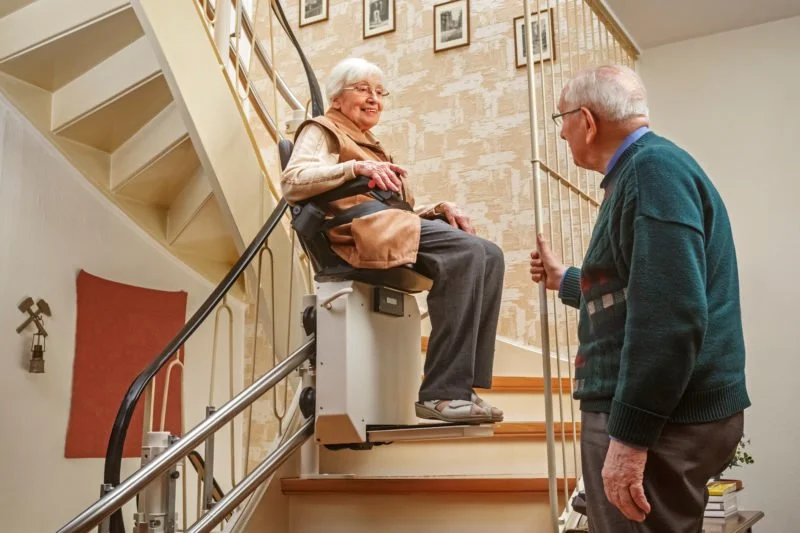
There is often a moment when stairs begin to feel different. What was once a simple part of everyday life slowly requires more attention. A hand reaches more firmly for the railing. Steps are taken more slowly. Someone pauses halfway up, not because they cannot continue, but because caution has quietly replaced confidence.
Many families recognize this change before it is ever spoken aloud. Loved ones may avoid going upstairs altogether or limit trips between floors to only what feels absolutely necessary. Bedrooms go unused. Favorite reading chairs sit empty. Parts of the home begin to disappear from daily life.
The concern is rarely about independence itself. It is about safety. Stairs present one of the highest risks for falls inside the home, yet moving away from a beloved space often feels like giving up something deeply personal. Stairlifts offer a different path forward. Instead of changing homes or restricting movement, they transform stairs into a safe and accessible connection between every part of the house.
The Hidden Risks of Everyday Stairs
Stairs are so familiar that their risks often go unnoticed until mobility changes. Unlike obvious hazards, stairs demand balance, strength, coordination, and confidence all at once. Even minor fatigue or joint discomfort can increase the likelihood of a misstep.
Families frequently notice subtle adjustments long before a fall occurs. Someone begins carrying fewer items upstairs. Laundry waits longer between trips. Nighttime movement becomes hesitant. These small changes signal an instinctive effort to stay safe.
The emotional weight of this adjustment can be significant. People may feel frustrated by limitations or reluctant to ask for help. Stairlifts remove this tension by restoring safe access without requiring constant assistance from others.
Restoring Confidence in Daily Movement
Safety is not only physical. Confidence plays an equally important role in how individuals experience their homes. When stairs feel unpredictable, anxiety often follows. Each ascent becomes a calculated effort rather than a natural motion.
A stairlift replaces uncertainty with reliability. With the push of a button, movement becomes smooth, steady, and controlled. There is no rushing, no balancing, and no fear of losing footing.
Many individuals describe the experience as reclaiming freedom rather than receiving assistance. They are once again able to move independently between floors whenever they choose, without waiting for help or avoiding certain areas of the home.
Confidence returns gradually but meaningfully.
Preventing Falls Before They Happen
Fall prevention is one of the most important benefits of stairlifts. Falls on stairs can lead to injuries that dramatically change a person’s ability to remain at home. Recovery periods may involve hospitalization, rehabilitation, or extended reliance on caregivers.
Stairlifts reduce this risk by eliminating the need to physically climb stairs. Modern systems include safety sensors, secure seating, and controlled movement designed specifically to protect users during every ride.
Rather than reacting after an accident, families take a proactive step toward long term safety. Prevention becomes part of everyday living.
Supporting Independence Without Isolation
Independence does not mean doing everything alone. It means having the ability to make choices freely. When stairs become barriers, individuals may unintentionally isolate themselves on one floor of the home.
A stairlift reconnects living spaces. Bedrooms, bathrooms, hobby rooms, and shared family areas remain accessible. Daily routines continue naturally instead of shrinking over time.
This reconnection has emotional benefits that extend beyond mobility. Participation in family life, hobbies, and personal routines strengthens mental well being and preserves a sense of identity.
Allowing Homes to Adapt Instead of Families Moving
Many families assume that mobility challenges will eventually require relocation. The idea of leaving a longtime home can feel overwhelming, particularly when that space holds memories and emotional significance.
Stairlifts allow homes to adapt instead. Installation typically requires minimal structural changes, meaning individuals can continue living in familiar surroundings while enjoying improved safety.
The home evolves alongside changing needs, preserving comfort and continuity.
Reducing Caregiver Stress
Caregivers often experience silent anxiety when loved ones use stairs. Even when assistance is offered, supervising every trip between floors can become exhausting.
A stairlift provides reassurance. Caregivers know that transfers between levels happen safely, even when they are not nearby. This sense of security reduces constant worry and allows caregiving relationships to focus more on companionship than supervision.
Safety benefits everyone in the household.
Designing Stairlifts That Feel Like Home
Modern stairlifts are designed with aesthetics in mind. Earlier generations of accessibility equipment sometimes felt clinical or intrusive. Today’s systems prioritize comfort, style, and integration into existing home décor.
Seats fold neatly when not in use. Rails follow the natural shape of the staircase. Upholstery and finishes complement interior design choices. Rather than standing out, stairlifts blend quietly into the environment.
The goal is not to change the character of the home but to enhance its livability.
Encouraging Continued Activity
Movement supports overall health. When stairs feel unsafe, individuals may reduce activity levels unintentionally. Less movement can affect strength, balance, and overall confidence.
Stairlifts encourage continued engagement with daily routines. Individuals remain active within safe limits, moving between floors to cook, socialize, rest, or pursue hobbies.
This continued participation contributes to both physical and emotional wellness.
Adapting to Changing Needs Over Time
Mobility needs rarely remain static. Some individuals install stairlifts after surgery or injury recovery, while others use them as part of long term accessibility planning.
The flexibility of stairlift systems allows families to plan ahead without committing to drastic changes. Features such as swivel seats, remote controls, and adjustable configurations ensure comfort as needs evolve.
Planning ahead transforms accessibility into empowerment rather than reaction.
Maintaining Privacy and Personal Dignity
One of the most meaningful aspects of a stairlift is privacy. Individuals no longer need to rely on someone else for assistance navigating stairs. Personal routines remain personal.
Simple moments such as going upstairs to rest, accessing a bathroom independently, or retrieving belongings regain normalcy. These everyday freedoms reinforce dignity and self confidence.
Independence is preserved not through isolation but through thoughtful support.
Creating Peace of Mind for the Entire Family
Families often describe a noticeable emotional shift after installing a stairlift. Conversations change from worry about potential falls to confidence in daily safety.
Visits become more relaxed. Loved ones move freely throughout the home. The environment feels secure again.
Peace of mind is one of the most powerful outcomes of accessibility solutions.
Conclusion
Stairlifts improve home safety by transforming one of the most challenging areas of the house into a secure and accessible pathway. They prevent falls, restore confidence, and allow individuals to continue living independently in the homes they love. More than a mobility device, a stairlift represents freedom, dignity, and the ability to move through life without unnecessary limitations.
At KGC, every accessibility solution begins with listening. Each home has its own layout, each family its own goals, and each individual its own vision of independence. KGC’s customized approach ensures that stairlift systems are thoughtfully designed to blend safety, comfort, and style while supporting long term living at home.
If you are exploring ways to make your home safer and more accessible, visit the KGC Contact Page to connect with a specialist and discover how a personalized stairlift solution can help you or your loved one move confidently at home for years to come.
