
Maintaining Your Patient Lift: How Often Should It Be Checked?
Introduction
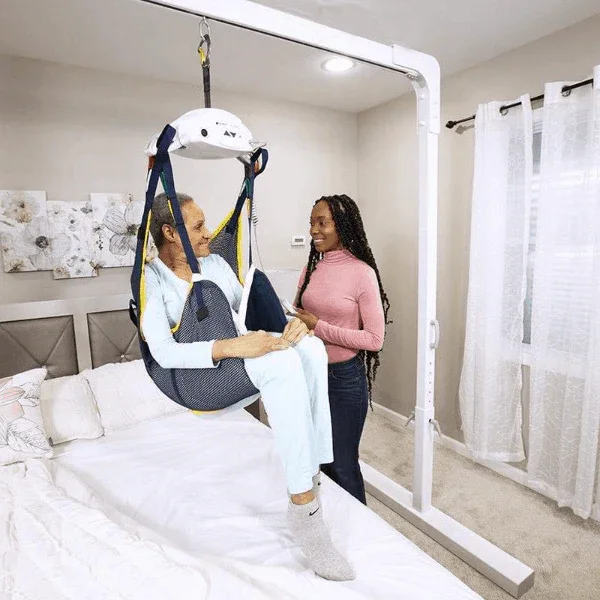
There was a quiet moment one afternoon that changed how I think about patient lifts. It was not dramatic. Nothing broke. No alarms sounded. A caregiver was helping a loved one transfer from a bed to a chair using an overhead patient lift that had been in place for some time. Everything looked familiar. Routine. Comfortable. Yet just before beginning, the caregiver paused and gently tugged on the sling straps, checking the connections one more time.
They said something that stayed with me.
I know it worked yesterday, but I still like to check.
That simple sentence captured something profound. Patient lifts are not just pieces of equipment. They are systems of trust. Every time someone is lifted, they are placing their body and their safety into that system. Every caregiver assisting with the lift is trusting that it will perform exactly as intended. Maintenance is not about mechanics alone. It is about confidence. It is about knowing, without hesitation, that support will be there when it is needed most.
This article explores how often a patient lift should be checked and why consistent maintenance matters so deeply. It looks at different types of checks, the rhythm of regular inspections, and how proper care protects not only the equipment but the people who rely on it every day. Whether you are a caregiver, a family member, or someone who uses a patient lift, this guide is meant to bring clarity, reassurance, and peace of mind.
Why Patient Lift Maintenance Matters So Much
Patient lifts are designed to handle significant responsibility. They support full body weight. They assist with transfers that would otherwise be physically impossible or unsafe. When a lift is working properly, it reduces injury risk, preserves dignity, and allows care to happen calmly and confidently.
When maintenance is overlooked, even small issues can have serious consequences. A frayed strap. A loose bolt. A battery that no longer holds a charge. These issues rarely announce themselves dramatically. They develop quietly over time.
Regular maintenance ensures that the lift continues to perform safely. It also ensures that caregivers and users can trust the equipment rather than worry about it. That trust changes the entire experience of care.
Understanding What a Patient Lift Includes
Before discussing how often a patient lift should be checked, it helps to understand what we are really talking about when we say patient lift. A lift system includes more than the motor or track. It includes slings, straps, hooks, controls, batteries, rails, mounts, and safety mechanisms.
Each of these components plays a role in safe operation. Each experiences different types of wear. Some are used every day. Others are exposed to environmental factors. Maintenance is about the entire system working together, not just one part.
Recognizing this complexity helps explain why different checks happen at different intervals.
Daily Checks: The First Line of Safety
Daily checks are often informal, but they are incredibly important. These checks usually happen before each use, especially in home care settings. They are quick visual and functional checks that ensure everything looks and feels right.
Caregivers often glance at the sling for visible wear, check that straps are secure, and confirm that controls respond properly. They listen for unusual sounds. They notice if movement feels smooth or strained.
These daily moments of attention catch many issues early. They also build confidence. When caregivers and users feel comfortable with the lift each day, care becomes calmer and safer.
Daily checks do not require technical expertise. They require awareness.
Weekly Checks: Building a Habit of Care
Weekly checks are slightly more intentional. They involve taking a few extra minutes to look more closely at the lift system. This might include inspecting sling seams, checking attachment points, testing emergency stop features, and ensuring batteries are charging correctly.
Weekly checks are about pattern recognition. Is the lift moving slower than usual? Does the battery seem to drain faster? Are there small changes that suggest wear?
Addressing issues at this stage often prevents the need for more serious repairs later. It also reinforces the idea that the lift is a shared responsibility, cared for with intention.
Monthly Checks: Looking Beneath the Surface
Monthly checks go a step deeper. These checks may include cleaning components, examining rails or tracks for debris, testing backup systems, and ensuring that all moving parts are functioning smoothly.
In home environments, monthly checks may be handled by caregivers or family members who are comfortable with the system. In professional care settings, they are often part of routine equipment inspections.
Monthly checks help identify gradual wear that daily use may not reveal. They keep the system running efficiently and safely.
Professional Inspections: A Critical Layer of Safety
While daily, weekly, and monthly checks are essential, professional inspections play a crucial role in patient lift maintenance. These inspections are typically recommended at least once a year, though frequency may increase depending on usage.
A professional technician examines structural components, tests weight capacity, inspects electrical systems, and ensures compliance with safety standards. They can identify issues that are not visible to the untrained eye.
Professional inspections are not about mistrust of caregivers. They are about adding an expert layer of protection to an already careful system.
How Usage Frequency Affects Inspection Schedules
How often a patient lift should be checked depends in part on how often it is used. A lift used multiple times each day experiences more wear than one used occasionally. High frequency use may require more frequent professional inspections or component replacement.
Understanding usage patterns helps tailor maintenance schedules appropriately. There is no one size fits all answer. The goal is to match care to reality.
Environmental Factors That Influence Maintenance Needs
The environment in which a patient lift operates also affects how often it should be checked. Humidity, dust, temperature changes, and exposure to moisture all influence wear.
Overhead lifts in bathrooms may experience more moisture. Portable lifts stored in tight spaces may encounter more physical contact. Outdoor or semi outdoor installations face additional challenges.
Being aware of environmental factors helps caregivers adjust inspection frequency and focus.
The Role of Slings in Lift Safety
Slings are often the most frequently replaced component of a patient lift system. They bear direct contact with the user’s body and experience repeated stress during transfers.
Checking slings regularly is essential. Look for fraying, thinning fabric, weakened seams, or stretched loops. Slings should always be used according to manufacturer guidelines and replaced at the first sign of compromise.
Even a perfectly functioning lift can become unsafe if the sling is worn.
Batteries and Power Systems
Battery powered lifts require consistent attention to charging habits and battery health. Batteries should be charged according to manufacturer recommendations and replaced when they no longer hold a reliable charge.
Signs of battery issues include slower movement, incomplete lifts, or warning indicators. These issues should be addressed promptly to avoid unexpected interruptions during transfers.
Regular checks of power systems ensure that lifts are ready when needed.
Controls and Emergency Features
Controls are the user’s connection to the lift. They should respond smoothly and predictably. Buttons, handsets, and switches should be checked regularly for responsiveness.
Emergency stop features and manual lowering mechanisms should be tested periodically so caregivers know they work and know how to use them if needed. Familiarity with these features is as important as their functionality.
Confidence in emergency systems reduces anxiety during care.
Documentation and Maintenance Records
Keeping a simple maintenance log can be helpful, especially in shared caregiving environments. Recording inspections, professional service visits, and component replacements creates a clear history.
This documentation supports accountability and ensures that maintenance does not depend on memory alone. It also helps professionals understand the system’s history during inspections.
Common Signs That a Lift Needs Immediate Attention
Some signs indicate that a patient lift needs to be checked immediately rather than waiting for the next scheduled inspection. Unusual noises, jerky movement, inconsistent lifting, or visible damage should always prompt a pause in use.
If something feels wrong, it probably is. Trusting instincts protects everyone involved.
The Emotional Impact of Reliable Equipment
When a patient lift is well maintained, it creates emotional safety. Users feel secure being lifted. Caregivers feel confident assisting. The entire process feels calm rather than tense.
When maintenance is neglected, anxiety creeps in. Caregivers second guess themselves. Users may tense their bodies during transfers. These emotional responses increase risk.
Maintenance supports emotional wellbeing as much as physical safety.
Training and Familiarity Matter
Knowing how to check a patient lift is as important as checking it. Caregivers should receive proper training on inspection routines, sling use, and emergency procedures.
Familiarity builds confidence. Confidence leads to safer care.
Adapting Maintenance as Needs Change
As mobility needs change, lift usage may increase or decrease. Maintenance schedules should adapt accordingly. A lift used more frequently may need more frequent checks.
Being responsive to change keeps the system aligned with reality.
Real Life Reflections on Maintenance
I once spoke with a caregiver who said they felt most relaxed during transfers after a professional inspection. They knew everything had been checked thoroughly. That peace of mind lasted long after the technician left.
Another family shared that a routine sling check revealed early wear that could have become dangerous. Replacing it early prevented a stressful situation.
These moments highlight how maintenance protects people, not just equipment.
Creating a Culture of Care Around Equipment
Maintaining a patient lift is part of creating a culture of care. It communicates that safety matters. That dignity matters. That no detail is too small when someone’s wellbeing is involved.
When maintenance becomes routine rather than reactive, care feels more stable and respectful.
Balancing Responsibility Without Overwhelm
Some caregivers worry that maintenance adds to an already heavy load. In reality, simple routines make maintenance manageable. Small checks performed consistently prevent larger problems.
Maintenance is not about perfection. It is about attention.
Conclusion
Maintaining a patient lift is about more than schedules and checklists. It is about trust, safety, and peace of mind. Daily awareness, weekly and monthly inspections, and regular professional evaluations work together to ensure that the lift continues to support the people who rely on it.
How often a patient lift should be checked depends on usage, environment, and individual needs, but one principle remains constant. Consistent care protects dignity, reduces risk, and creates confidence for both users and caregivers.
At KGC, we believe mobility and transfer solutions deserve the same thoughtful attention as the people they support. Our approach to patient lift systems includes guidance on proper maintenance, regular inspections, and long term reliability. If you have questions about maintaining your patient lift or want support ensuring it remains safe and dependable, our team is here to help.
You can reach our team through the KGC Contact Page.
