
How Ramps Improve Safety for People Using Walkers, Canes, or Strollers
Introduction
It began on an ordinary afternoon. Someone I care about stood at the base of three short steps that had never drawn attention before. They held onto a walker, paused, and studied the distance upward. The steps were not steep. They were not damaged. They were simply there, unchanged. But something about them now required calculation.
I’ll get there, they said quietly, adjusting their grip.
Watching that moment unfold revealed something important. Barriers are not always dramatic. Sometimes they are subtle, built into everyday architecture. Stairs that once felt invisible suddenly demand effort, balance, and concentration. That shift can introduce risk, hesitation, and even isolation.
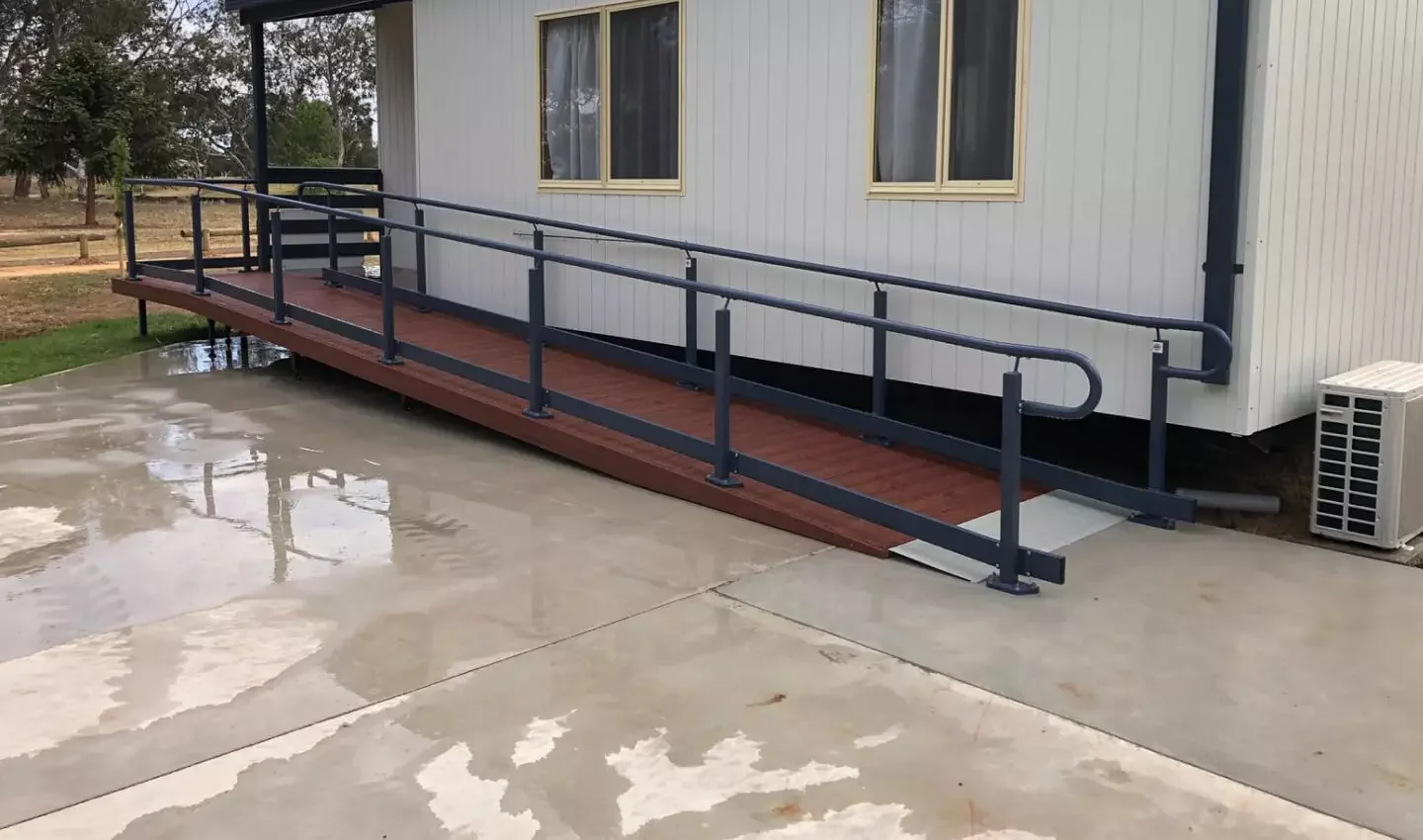
Ramps are often discussed in the context of wheelchairs, but their safety benefits reach far beyond that single use. People relying on walkers, canes, or strollers experience the world differently than step based architecture assumes. Ramps create continuity of movement where interruptions once existed. They transform entry and exit from negotiation into flow.
This article explores how ramps improve safety and confidence for individuals using walkers, canes, or strollers. It looks at physical stability, emotional reassurance, and the broader impact that accessible pathways have on daily life.
Why Steps Create Hidden Challenges
Steps require lifting, shifting balance, and precise foot placement. For someone using a walker or cane, these actions multiply complexity. They demand coordination between assistive devices and body movement.
Strollers introduce different challenges. Maneuvering wheels over vertical edges requires strength, angle adjustment, and stability.
Even short sets of steps introduce risk. Misjudgment or fatigue can lead to slips, falls, or strain.
Ramps eliminate these vertical interruptions and replace them with gradual transitions.
Stability and Continuous Contact
Walkers and strollers depend on stable contact with the ground. When wheels remain grounded, control remains predictable.
Steps break that contact repeatedly. Lifting and lowering devices disrupt stability and increase the chance of imbalance.
Ramps maintain continuous contact, allowing wheels to roll smoothly and safely.
This continuity enhances control and reduces physical effort.
Reducing Fall Risk
Falls are rarely caused by dramatic missteps. They often result from subtle imbalance, fatigue, or uneven footing.
Ramps reduce these triggers by removing elevation changes. Movement becomes smoother and less physically demanding.
For individuals relying on canes or walkers, this reduction in complexity significantly lowers risk.
Safety is often about simplification.
Supporting Natural Movement Patterns
Human bodies move most comfortably across gradual surfaces. Abrupt vertical transitions demand adjustments that may not align with physical capability.
Ramps align more closely with natural gait and motion. They allow people to maintain rhythm rather than interrupt it.
Preserving natural movement supports confidence and comfort.
Emotional Confidence in Everyday Navigation
Safety is not purely physical. Emotional confidence shapes how people engage with their surroundings.
When steps feel intimidating, individuals may avoid certain entrances, outings, or activities. Ramps restore predictability.
Confidence encourages participation. Participation enhances quality of life.
Caregiver Support and Reduced Strain
Caregivers assisting individuals with walkers or strollers benefit from ramp access as well. Guiding movement over steps requires lifting, pulling, or repositioning.
Ramps allow assistance to remain gentle and supportive rather than physically demanding.
Reducing caregiver strain protects both parties.
Navigating Weather Conditions
Rain, snow, and debris amplify step hazards. Wet edges become slippery. Snow conceals depth perception. Ice creates unpredictable footing.
Properly designed ramps maintain traction and drainage, reducing environmental impact on safety.
Weather proof accessibility extends usability beyond ideal conditions.
Accessibility for Families With Young Children
Parents navigating strollers face challenges similar to those using mobility aids. Carrying or maneuvering strollers over steps introduces risk.
Ramps allow families to move fluidly between spaces without lifting or tilting equipment.
Accessible design supports diverse life stages.
Maintaining Independence Across Life Changes
Mobility needs shift over time. Temporary injuries, surgeries, or aging processes affect how people move.
Ramps provide adaptable infrastructure that continues supporting independence regardless of these changes.
Accessibility planning anticipates life’s unpredictability.
Real Life Reflections
I once spoke with someone who installed a ramp after years of relying on a cane. They described the experience as liberating rather than limiting. Leaving home no longer involved mental rehearsal.
Another family shared that ramp installation transformed daily stroller use. What once required assistance became effortless.
These stories highlight how design shapes lived experience.
Encouraging Outdoor Engagement
Accessible entryways encourage outdoor activity. Fresh air, social connection, and errands become easier when leaving home feels safe.
Ramps support participation in community life.
Participation strengthens wellbeing.
Preventing Long Term Physical Strain
Repeatedly navigating steps with mobility aids can strain joints and muscles. Over time, this contributes to discomfort or injury.
Ramps distribute effort more evenly and reduce repetitive stress.
Long term health benefits often go unnoticed but matter deeply.
Integrating Ramps Into Home Design
Modern ramp design emphasizes visual harmony. Materials, placement, and landscaping integration ensure ramps complement rather than disrupt aesthetics.
Accessible design can enhance visual appeal.
Function and beauty coexist.
Lighting and Visibility
Well lit ramps improve navigation during low light conditions. Clear edges and gentle slopes support depth perception.
Visibility enhances safety and confidence.
Design should anticipate varied environments.
Independence and Dignity
The ability to move freely without assistance reinforces dignity. Ramps provide pathways that do not require negotiation or explanation.
They support autonomy quietly and consistently.
Dignity is foundational to accessibility.
Expanding Accessibility Awareness
Recognizing that ramps benefit diverse users broadens understanding of inclusive design.
Accessibility is not niche. It is universal.
Designing for multiple needs strengthens communities.
Professional Planning Enhances Outcomes
Proper ramp slope, traction, and placement ensure safety for all users. Professional assessment translates needs into reliable solutions.
Guidance transforms intention into effectiveness.
Expertise protects investment.
Conclusion
Ramps improve safety for individuals using walkers, canes, or strollers by replacing abrupt elevation changes with smooth, continuous movement. They reduce fall risk, support natural motion, and restore confidence in daily navigation. Beyond physical safety, they enhance independence, participation, and emotional comfort across life stages.
At KGC, we believe accessibility solutions should reflect the diversity of those who use them. Our approach to ramp design focuses on safety, integration, and respect for individual experience so every pathway feels welcoming and reliable. If you are exploring how ramps could support mobility and confidence in your home, our team is here to guide you thoughtfully.
You can reach our team through the KGC Contact Page.
