
How Quiet Are Home Elevators? What to Expect Before Installing
The First Question Almost Everyone Asks
The conversation usually begins the same way.
Someone stands in their living room imagining a home elevator for the first time. They picture smoother movement between floors, easier access to bedrooms, and the comfort of knowing stairs will never become a barrier. Then comes the pause, the practical question that quietly matters more than most people admit:
Will it be noisy?
It’s an understandable concern. Homes are personal spaces filled with sound memories: early mornings made gentle by silence, late evenings softened by quiet conversation, the peaceful hum that makes a house feel restful. No one wants to replace that calm with mechanical clatter.
The reassuring truth is this: modern home elevators are far quieter than most people expect. In fact, many homeowners are surprised to learn that today’s residential elevators are designed specifically for comfort, discretion, and seamless integration into everyday life.
Understanding what quiet really means, and what influences elevator sound, can help you make confident, informed decisions before installation.
Why Noise Matters More at Home Than Anywhere Else
Commercial elevators are built for heavy traffic. Hotels, hospitals, and office buildings prioritize durability and capacity over subtlety. Those systems move constantly, often surrounded by background noise from crowds, ventilation systems, and busy environments.
A home is different.
Residential elevators operate in spaces where silence carries meaning. Bedrooms may sit just beyond a wall. A reading corner may share space with the shaft. A kitchen conversation might unfold nearby.
Because of this, manufacturers design home elevators with entirely different priorities. They focus on smoother starts, softer stops, reduced vibration, and quieter motors.
Think of the difference between a city bus and a luxury car. Both move people efficiently, but one is engineered for calm, private comfort. Home elevators belong firmly in the second category.
What Quiet Actually Sounds Like
When people imagine elevator noise, they often picture loud cables, grinding gears, or industrial humming. That image comes from older commercial systems or outdated residential models.
Modern home elevators sound closer to everyday household appliances.
Most systems produce noise levels comparable to a refrigerator running or a dishwasher during a gentle cycle. You may hear a soft hum as the cab moves and a subtle mechanical click when doors open or close, but conversation, television sound, or normal household activity typically masks it completely.
Many homeowners report that guests do not even realize an elevator is operating unless they are standing nearby.
Quietness is not accidental. It is engineered.
The Technology Behind Quiet Home Elevators
Noise levels depend largely on the type of drive system used. Each technology moves differently, and understanding these differences helps set realistic expectations.
Traction elevators use counterweights and cables that glide along guide rails. Because the system balances weight efficiently, movement feels smooth and controlled. The motor works less aggressively, which naturally reduces noise.
Hydraulic elevators rely on fluid pressure to raise and lower the cab. These systems are known for steady movement, though the pump unit can create a low mechanical hum. Strategic placement of equipment, often in a separate cabinet or mechanical space, keeps sound away from living areas.
Pneumatic vacuum elevators move using air pressure rather than cables or pistons. Their sound resembles a soft airflow or distant fan, brief and consistent during travel.
Machine room less designs, increasingly popular in modern homes, eliminate bulky equipment spaces and rely on compact, energy efficient motors engineered specifically for quiet operation.
Each system has its own personality, but all prioritize residential comfort.
Where You Place the Elevator Matters
An elevator’s location influences perceived noise as much as its technology.
Imagine placing a washing machine directly beside a bedroom versus inside a laundry room with insulated walls. The machine itself has not changed, only its surroundings.
The same principle applies to elevators.
When installed along structural walls, inside closets, or near stairwells, sound naturally dissipates. Proper planning allows installers to position mechanical components away from quiet zones such as bedrooms or home offices.
Experienced designers often collaborate with homeowners early in the process, mapping daily routines before finalizing placement. This thoughtful approach ensures the elevator supports life rather than interrupting it.
Soundproofing and the Details That Make a Difference
Modern installations incorporate multiple sound dampening strategies, many of which remain invisible once construction is complete.
Rubber isolation mounts prevent vibration from transferring into framing. Specialized rails reduce friction. Insulated shaft walls absorb operational sound. Precision alignment eliminates rattling.
These details may seem technical, yet they shape how an elevator feels emotionally. Instead of announcing itself loudly, the system becomes part of the home’s natural rhythm.
Homeowners often describe the experience as similar to central air conditioning, noticeable only when you stop to listen for it.
What You Will Hear Day to Day
Living with a home elevator quickly becomes ordinary.
In the morning, someone might ride upstairs while coffee brews below. The sound is brief, soft, and predictable. During the day, movement between floors happens without disrupting work calls or relaxation.
At night, when homes are quietest, the elevator remains discreet. Soft start motors prevent sudden jolts, and gradual stopping eliminates abrupt mechanical noise.
Many families say the most noticeable change is not sound but convenience.
The elevator simply becomes another trusted household feature.
Comparing Elevator Noise to Everyday Sounds
Sometimes the easiest way to understand elevator noise is through comparison.
A modern home elevator typically produces less sound than a vacuum cleaner, less vibration than a washing machine spin cycle, and often no more background presence than an air purifier.
The experience surprises first time users because expectations are shaped by public elevators. Residential systems operate at a completely different scale.
Rather than dominating the soundscape, they blend quietly into it.
Installation Noise Versus Operating Noise
One important distinction often overlooked is the difference between installation noise and operational noise.
Installation involves construction activity such as cutting, framing, wiring, and finishing work. Like any renovation, this phase temporarily brings increased sound and activity into the home.
Once installation is complete, operational noise drops dramatically.
It is similar to remodeling a kitchen. The process may feel busy, but the finished result becomes calm, functional, and integrated into everyday living.
Understanding this difference helps homeowners prepare realistically for the journey.
Maintenance and Long Term Quiet Performance
Quiet performance does not happen only on day one. Regular maintenance preserves smooth operation over time.
A well maintained elevator continues running quietly year after year because technicians adjust alignment, lubricate moving components, and monitor wear before it becomes noticeable.
Ignoring maintenance can gradually introduce sounds such as vibration or squeaking, not because elevators are inherently loud, but because any mechanical system benefits from care.
Routine servicing protects both longevity and peace of mind.
Emotional Comfort and the Sound of Independence
Many homeowners come to associate elevator sound with reassurance rather than disruption.
A soft hum signals mobility without effort. A gentle arrival at another floor represents freedom of movement. Families describe relief knowing every level of the home remains accessible without strain or risk.
Over time, the elevator’s presence fades into normalcy, much like lighting or plumbing, essential yet unobtrusive.
Quiet design supports emotional wellbeing as much as physical accessibility.
Addressing Common Concerns Before Installation
Some people worry that an elevator will make their home feel mechanical or institutional. Modern designs prove otherwise.
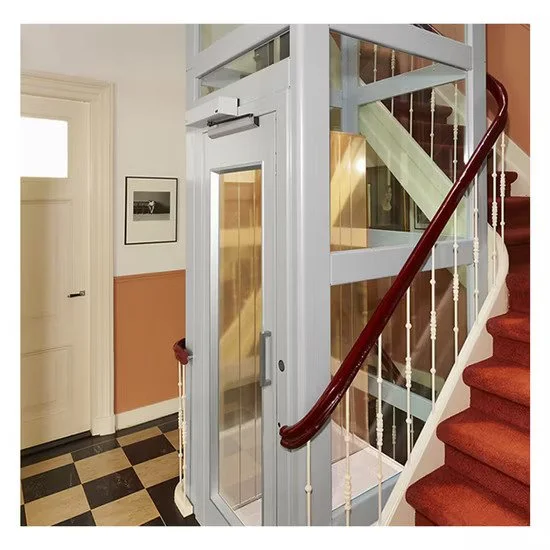
Cab interiors resemble beautifully crafted rooms rather than equipment. Glass panels invite natural light. Custom finishes match existing décor. Doors open smoothly, almost ceremonially, rather than mechanically.
When thoughtfully selected, a home elevator enhances architectural flow rather than interrupting it.
Noise concerns often disappear once homeowners experience a demonstration ride. Hearing the system in person replaces uncertainty with confidence.
Future Proofing Your Home Without Sacrificing Peace
Installing a home elevator is rarely just about today. It is a decision rooted in long term comfort and adaptability.
Life evolves. Families grow, routines change, and mobility needs shift. A quiet, reliable elevator ensures the home evolves alongside the people living in it.
Rather than relocating later, homeowners invest in continuity, preserving memories, community connections, and familiar surroundings.
The best accessibility solutions feel invisible until needed, supporting independence without drawing attention to themselves.
Questions Worth Asking Before You Choose
Before installation, meaningful conversations with accessibility professionals make all the difference.
Ask to hear operating demonstrations. Discuss equipment placement options. Explore soundproofing approaches specific to your home’s layout.
An experienced team will welcome these discussions, understanding that comfort extends beyond mobility to include acoustics, aesthetics, and emotional confidence.
Choosing a provider who prioritizes listening as much as installing often determines how satisfied homeowners feel years later.
Conclusion
A home elevator should never feel intrusive. It should feel natural, a seamless extension of your home that supports movement, independence, and everyday living without disrupting the peace you value.
Modern residential elevators are engineered for remarkably quiet performance, blending advanced technology with thoughtful design so comfort and functionality exist side by side.
At KGC, every installation begins with understanding how you live in your space. Their approach focuses on customized solutions that balance safety, style, and acoustic comfort, ensuring your elevator enhances your home rather than changing its character. From planning and design to installation and ongoing support, KGC works alongside families to create mobility solutions that feel personal, respectful, and future ready.
If you are considering adding a home elevator and want to experience how quiet, elegant, and empowering modern accessibility solutions can be, start the conversation with KGC today.
Discover KGC Home Elevator Solutions: https://www.example.com
