
Home Elevators for Aging in Place: A Future-Proof Investment
Introduction
A few years ago, someone I care about stood at the bottom of their staircase and paused longer than usual. The home itself was perfect. Every room held memories. The kitchen had been renovated after years of planning. The living room still held the same sunlight that poured through the windows every afternoon. But the staircase had started to feel different.
It was not dramatic. No accident had happened. There had simply been a shift. Climbing the stairs now required a little more focus. Carrying laundry between floors took more effort. The idea of navigating those steps years from now brought quiet uncertainty.
“I don’t want to leave this house,” they said eventually. “I just want it to keep working for me.”
That moment captures why conversations about home elevators are changing. What once felt like a luxury feature is now becoming a practical investment for homeowners planning to stay in their homes long term. Rather than waiting until mobility challenges become urgent, more families are choosing to prepare in advance.
A residential elevator is not simply a convenience. For many households, it represents stability, independence, and peace of mind for the future.
Understanding the Idea of Aging in Place
Aging in place refers to the ability to remain in one’s home safely and comfortably as needs evolve over time. For many people, home represents far more than shelter. It is familiarity, community, and emotional grounding.
Leaving a home because of accessibility barriers can be deeply disruptive. It means leaving behind neighbors, routines, and the physical spaces that hold years of memories.
When homeowners think about aging in place, they are often thinking about preserving that continuity. They want their home to evolve alongside them rather than forcing a difficult move later.
Accessibility planning allows that evolution to happen gradually and thoughtfully.
The Hidden Challenge of Stairs
Stairs are one of the most common barriers in multi level homes. When a home was first purchased, those stairs likely felt effortless. Over time, however, changes in balance, endurance, or joint comfort can make them feel less predictable.
Even small daily tasks can become complicated. Carrying groceries upstairs. Bringing laundry down to the basement. Moving between bedrooms and living spaces multiple times a day.
A residential elevator removes those physical barriers entirely. Instead of adapting to the staircase, homeowners regain full access to every floor.
Planning Before Accessibility Becomes Urgent
One of the most significant shifts in how people approach residential elevators is timing. In the past, elevators were often installed only after mobility became severely limited.
Today, many homeowners are planning earlier.
Installing an elevator before it becomes necessary allows the process to feel intentional rather than reactive. It avoids rushed decisions made during stressful transitions. It also ensures that the home is ready long before accessibility becomes a daily concern.
Planning ahead transforms accessibility from an emergency solution into a thoughtful investment.
Supporting Long Term Independence
Independence is closely tied to mobility. The ability to move freely within one’s own home affects everything from daily routines to emotional wellbeing.
A residential elevator restores full vertical access without requiring assistance. Homeowners can travel between floors safely and comfortably without relying on family members or caregivers.
That sense of autonomy is powerful. It reinforces dignity and confidence in everyday life.
Making Multi Level Homes Fully Usable Again
Many homes include spaces that become underused when stairs feel challenging. Basements may hold storage, recreation rooms, or workshops. Upper floors often contain bedrooms and quiet retreats.
When stairs become difficult, homeowners may begin limiting themselves to one level of the home.
An elevator reconnects the entire house. Every room becomes usable again. Every floor becomes accessible.
This reconnection preserves the full experience of living in the home.
Accommodating Changing Mobility Needs
Mobility is rarely static. It changes over time, sometimes gradually and sometimes unexpectedly.
Residential elevators provide flexibility as those needs evolve. They can accommodate walkers, wheelchairs, and caregivers when necessary. They also eliminate the need to transfer between devices or navigate tight spaces.
That adaptability makes elevators particularly valuable for long term planning.
Enhancing Safety Within the Home
Falls on stairs are one of the most common household accidents, particularly when balance or endurance is compromised.
An elevator dramatically reduces that risk. Instead of navigating steps with caution, homeowners use a controlled and enclosed system designed for safe vertical travel.
The reduction in fall risk provides reassurance for both homeowners and family members.
A Solution That Feels Natural
Some accessibility solutions feel temporary or highly visible. Stairlifts, for example, attach directly to staircases and remain present even when not in use.
Residential elevators create a separate pathway entirely. Movement between floors becomes a simple process of entering the cab, pressing a button, and arriving at the next level.
Many homeowners describe the experience as calm and natural. It becomes part of the daily rhythm of the house.
Integrating Elevators Into Modern Homes
Advances in residential elevator design have made integration easier than ever. Modern systems are quieter, more compact, and more customizable than older models.
Elevators can be designed to blend with interior architecture through materials, finishes, and lighting choices. Glass panels, wood accents, and modern controls allow them to feel like intentional design features.
Accessibility no longer needs to look clinical. It can complement the home’s style.
Increasing Property Appeal
Homebuyers today increasingly value accessibility and universal design. Features that support aging in place are becoming attractive selling points rather than niche modifications.
A residential elevator can increase the appeal of a multi level home, particularly for buyers who are planning long term living arrangements.
Instead of limiting resale potential, elevators often expand it.
Reducing Future Renovation Costs
Waiting until mobility challenges become urgent can lead to rushed renovations and higher costs.
Planning elevator installation earlier allows homeowners to integrate the system during other remodeling projects or structural updates. This reduces disruption and often simplifies construction.
Future proofing the home becomes more efficient when done proactively.
Emotional Security for Families
Family members often worry about the safety of loved ones navigating stairs. Even when homeowners feel confident, relatives may carry concern.
Installing a residential elevator can bring relief to everyone involved. It demonstrates proactive care and long term planning.
Knowing that the home supports safe movement creates peace of mind for the entire family.
Real Life Reflections
I once worked with a couple who installed an elevator during a major renovation. At the time, they were still comfortable using the stairs. But they wanted their home to be ready for the future.
Years later, they shared that the elevator had quietly transformed their daily routine. It made moving between floors effortless and allowed them to continue enjoying every part of their home.
Another homeowner described the elevator as an investment in stability. Instead of wondering whether they might eventually need to move, they felt confident that their home could adapt alongside them.
A Shift in Perspective
Accessibility planning used to be seen as a last resort. Today, it is increasingly viewed as smart design.
Installing a home elevator does not signal limitation. It reflects foresight. It acknowledges that homes should support people throughout every stage of life.
This shift in perspective is changing how homeowners approach aging in place.
Conclusion
Residential elevators are becoming one of the most powerful tools for aging in place. By eliminating the barrier of stairs, they restore full access to multi level homes and support long term independence. They reduce fall risk, accommodate changing mobility needs, and allow homeowners to remain in the spaces they love without compromise.
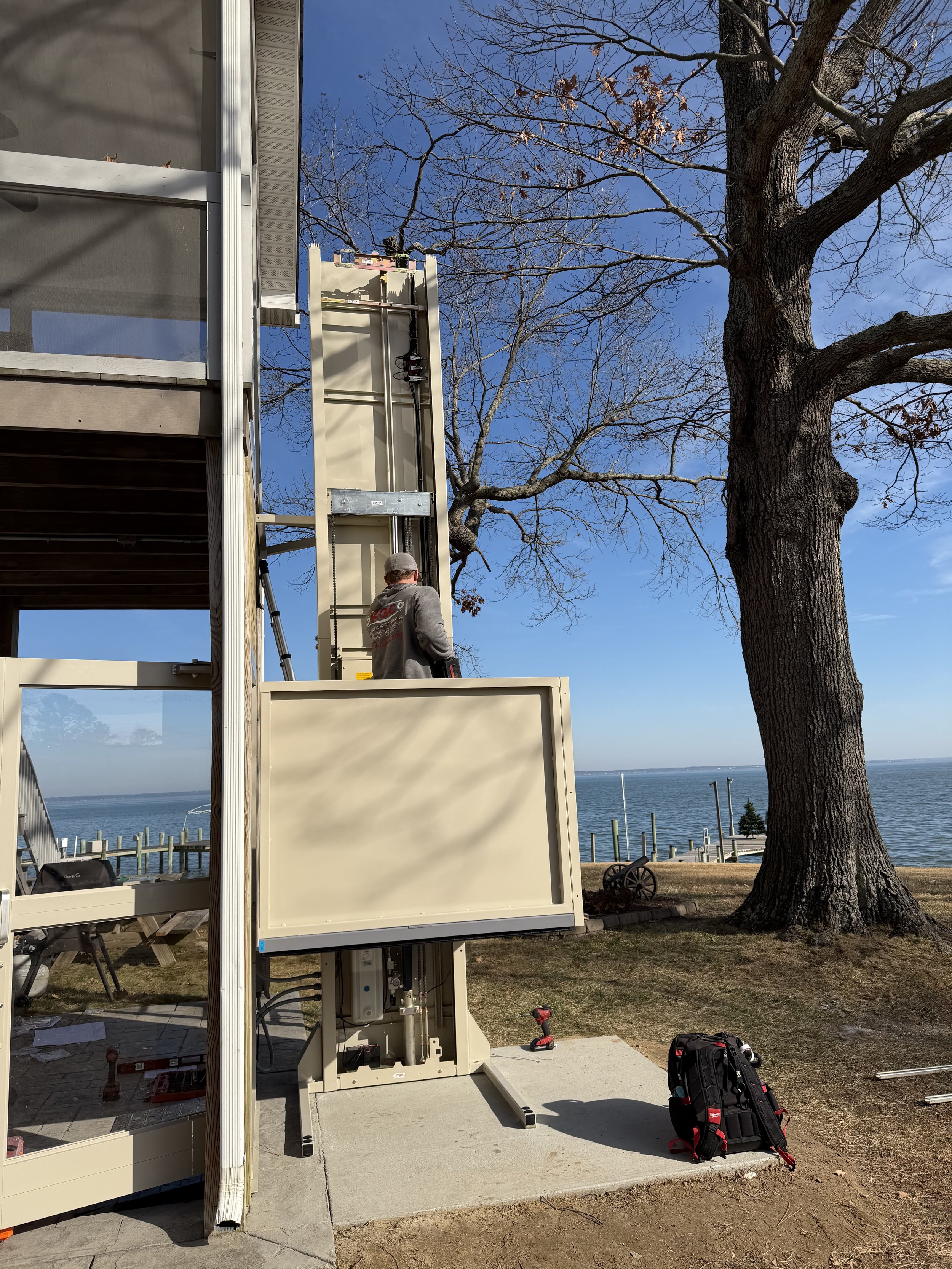
At KGC, we believe accessibility planning should feel empowering rather than overwhelming. Our approach to residential elevators focuses on thoughtful design, safety, and seamless integration so your home continues to support your life for years to come. If you are considering how to future proof your home for aging in place, our team is here to guide you with clarity and care.
You can reach our team through the KGC Contact Page
