
Common Stairlift Installation Mistakes to Avoid
When Good Intentions Meet Real-Life Homes
The decision to install a stairlift usually begins with care. Someone notices hesitation on the stairs, increased fatigue after climbing, or a growing concern about balance. Families want to act before a fall happens. They want to protect independence without changing the feeling of home.
Yet even with the best intentions, stairlift installations sometimes encounter challenges that could have been avoided with better planning. These mistakes rarely come from neglect. More often, they arise because people underestimate how personal accessibility solutions truly are.
A stairlift is not simply added to a house. It becomes part of daily life, shaping routines, confidence, and comfort. Understanding common installation mistakes helps families move forward with clarity rather than trial and error.
Treating Every Staircase the Same
One of the most frequent misconceptions is assuming all staircases work alike. At first glance, stairs may appear straightforward. They go up and down. They connect floors. Installing a lift might seem like a standard process.
In reality, every staircase tells a different story.
Some stairs narrow near the top. Others include landings, curves, or doorways positioned exactly where a chair must stop. Lighting conditions, wall placement, and traffic patterns influence how the stairlift should function.
When installations begin without careful measurement and evaluation, the result may technically work but feel awkward in daily use. The chair might stop slightly too close to a hallway, or family members may struggle to pass comfortably while it is parked.
Professional assessments transform installation from guesswork into thoughtful design, ensuring the stairlift fits the home rather than forcing the home to adapt around it.
Waiting Too Long to Install
Another common mistake happens before installation even begins.
Families often delay installing a stairlift until climbing stairs becomes extremely difficult. The hesitation is understandable. People value independence and want to avoid making changes prematurely.
However, waiting until mobility becomes urgent can turn installation into a stressful emergency rather than a calm improvement.
When stairlifts are installed earlier, users have time to adjust gradually. Confidence grows naturally. The lift becomes part of routine life instead of a symbol of limitation.
Early installation supports empowerment. It allows individuals to choose accessibility on their own terms rather than reacting to a crisis.
Choosing Equipment Without Lifestyle Consideration
Stairlifts come in many designs, and selecting one based only on price or appearance can lead to dissatisfaction later.
A household with frequent visitors may need a foldable seat that keeps pathways clear. Someone transferring independently may benefit from specific control placements. A caregiver assisting daily transfers may require swivel seating that reduces strain.
Ignoring lifestyle details often results in equipment that technically works but does not fully support real needs.
The best installations begin with conversations. How does the household move through the day? Which rooms are used most often? Who will operate the lift, and how frequently?
When these questions guide decisions, stairlifts feel intuitive rather than intrusive.
Overlooking Future Needs
Homes evolve. Mobility needs evolve as well.
One installation mistake involves planning only for present circumstances. A stairlift chosen for current comfort may not support future changes in mobility, balance, or caregiver assistance.
Forward-thinking installation considers long-term usability. Features such as higher weight capacities, adaptable controls, or upgraded safety systems provide flexibility as needs change.
Families often describe relief when they realize their accessibility investment will continue serving them years into the future rather than requiring replacement later.
Improper Placement at Entry and Exit Points
The beginning and end of a stairlift journey matter as much as the ride itself.
A poorly planned entry or exit point can create discomfort or even safety risks. If the chair stops too close to stairs or obstacles, standing up becomes awkward. If the swivel seat does not align naturally with the hallway or landing, transfers may feel unstable.
Professional installers carefully design stopping points that allow safe, confident transitions. The goal is not simply reaching another floor but arriving comfortably and securely.
These small details often determine whether users feel relaxed or hesitant each time they use the lift.
Ignoring Household Traffic Flow
A stairlift must coexist with everyone in the home.
Families sometimes focus entirely on the primary user without considering how others move through the space. Children running upstairs, pets navigating steps, or frequent guests may encounter challenges if placement is not thoughtfully planned.
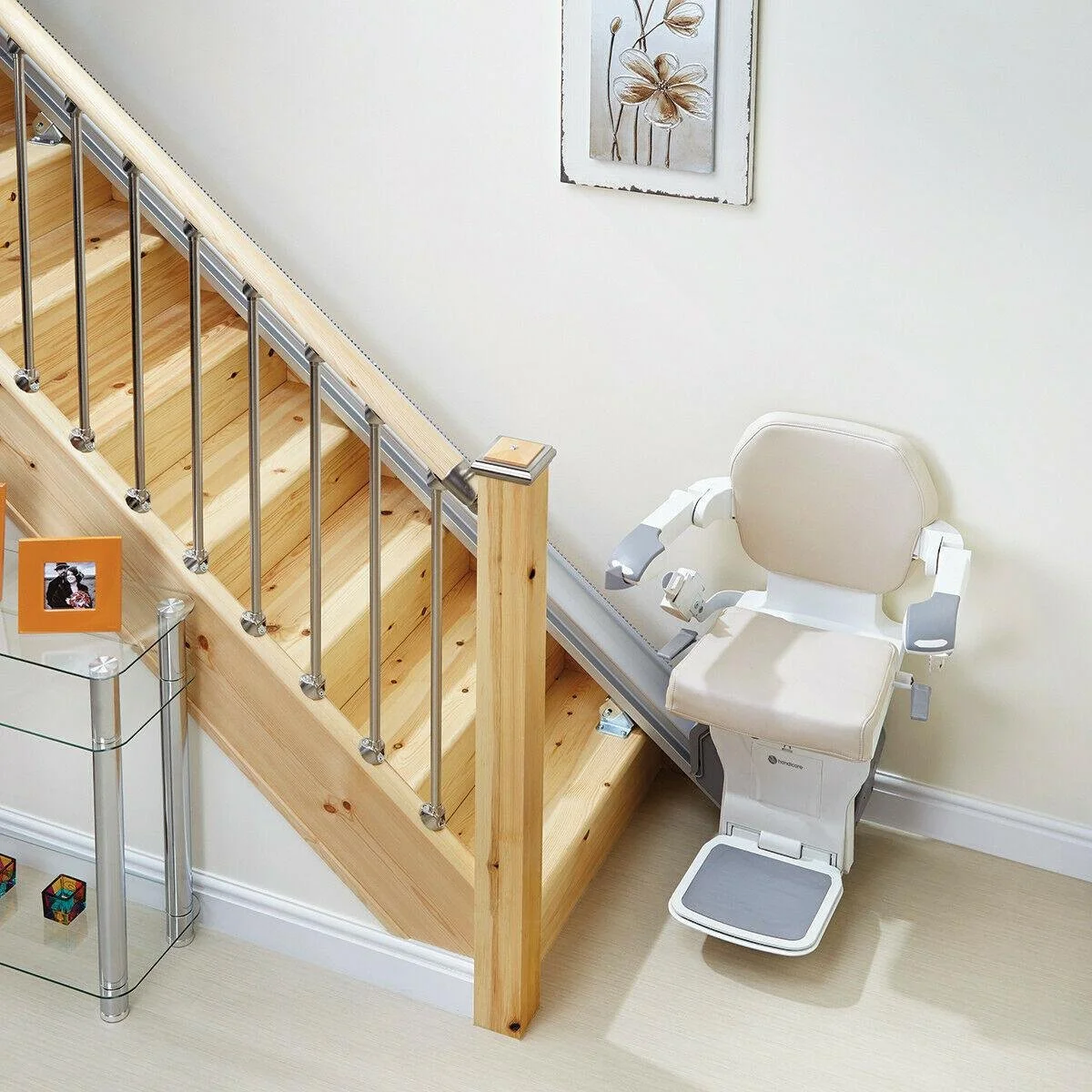
Modern stairlifts include folding components precisely to maintain stair access. Proper installation ensures that stairs remain usable for everyone while still providing mobility support.
Accessibility should enhance shared living rather than disrupt it.
Attempting DIY Installation
In an age where many home improvements feel approachable, some homeowners consider installing stairlifts themselves.
While understandable, this decision introduces significant risks.
Stairlifts combine mechanical systems, electrical components, and safety mechanisms designed to protect human movement. Precision alignment, secure mounting, and safety testing require specialized training.
Improper installation may lead to uneven motion, battery issues, or compromised safety features. More importantly, manufacturer warranties often depend on professional installation.
Choosing expert installation protects both equipment performance and personal safety.
Skipping Professional Home Assessment
Online research provides valuable information, but it cannot replace an in-home assessment.
Professionals evaluate staircase structure, electrical access, lighting conditions, and user mobility during consultations. These insights often reveal solutions families had not considered, such as repositioning controls or adjusting rail extensions for safer transfers.
Skipping assessment can lead to avoidable modifications later. A brief evaluation at the beginning prevents frustration after installation.
Underestimating Aesthetic Integration
Many homeowners worry that a stairlift will make their home feel clinical or institutional.
When aesthetics are overlooked during installation, this concern may become reality. Poor color matching, bulky positioning, or visible wiring can disrupt the visual harmony of a home.
Modern stairlifts are designed to blend into residential spaces. Careful selection of finishes, compact rails, and discreet placement preserves the warmth and personality of the home environment.
Accessibility should feel welcoming, not medical.
Neglecting User Training
Once installation is complete, some families assume operation will be immediately intuitive. While stairlifts are designed for ease of use, proper orientation remains essential.
Users benefit from learning how to position the seat, operate controls confidently, and understand safety features. Caregivers also gain confidence through hands-on instruction.
Training transforms the stairlift from unfamiliar equipment into a trusted daily companion.
Forgetting About Maintenance Planning
Installation marks the beginning of ownership, not the end of responsibility.
Failing to plan for routine maintenance can shorten lifespan and reduce reliability. Like any important home system, stairlifts perform best with periodic inspection and care.
Establishing a maintenance schedule ensures consistent performance and prevents unexpected downtime.
Choosing Based Solely on Cost
Budget considerations matter, yet selecting a stairlift purely on initial price may lead to compromises in comfort, durability, or support.
Families often discover that investing in quality installation and dependable equipment reduces long-term costs associated with repairs or replacement.
The value of a stairlift lies not only in its purchase price but in the safety, independence, and confidence it provides every day.
The Importance of Personalized Solutions
Perhaps the most significant installation mistake is forgetting that accessibility is deeply personal.
Two households with identical staircases may require entirely different solutions because their routines, preferences, and goals differ.
Successful installations listen first. They prioritize dignity, independence, and comfort above technical specifications alone.
When accessibility solutions are tailored thoughtfully, stairlifts feel less like equipment and more like natural extensions of the home.
Conclusion
Avoiding common stairlift installation mistakes begins with understanding that accessibility is about people, not just products. Careful planning, professional assessment, thoughtful placement, and future-focused design transform installation into a positive and empowering experience.
At KGC, stairlift installations are approached with patience, collaboration, and respect for each home’s unique story. The team works closely with families to design mobility solutions that blend safety, style, and long-term reliability, ensuring every detail supports independence and everyday comfort.
If you are considering a stairlift or want guidance on planning a successful installation, connect with the team at KGC Mobility Solutions through the KGC Contact Page. A thoughtful conversation today can help create a safer, more confident tomorrow at home.
